Blab Tech
Hyderabad Trials Japans Bio-Lace Technology in Pilot Sewage Project
On July 3 2026, the Hyderabad Metropolitan Water Supply and Sewerage Board (HMWSSB) unveiled a 1 million‑liter‑per‑day pilot at Fatehnagar that deploys Japan’s Bio‑Lace technology to treat canal and drain water. The initiative is the first of its kind in India and is carried out in partnership with the Japan International Cooperation Agency (JICA) and Euroclean TBR, the Japanese firm that supplies the Bio‑Lace system.
During a press briefing, HMWSSB officials—including Managing Director K. Ashok Reddy—reviewed the pilot’s performance alongside representatives from JICA and Euroclean TBR. Reddy highlighted that the technology has already been employed in Japan to rehabilitate more than 400 rivers and water bodies. In Fatehnagar, the Bio‑Lace system cut biochemical oxygen demand (BOD) by up to 90 % and total suspended solids (TSS) by about 85 %. Dissolved oxygen levels improved, and the foul odor was noticeably reduced, according to the board’s release.
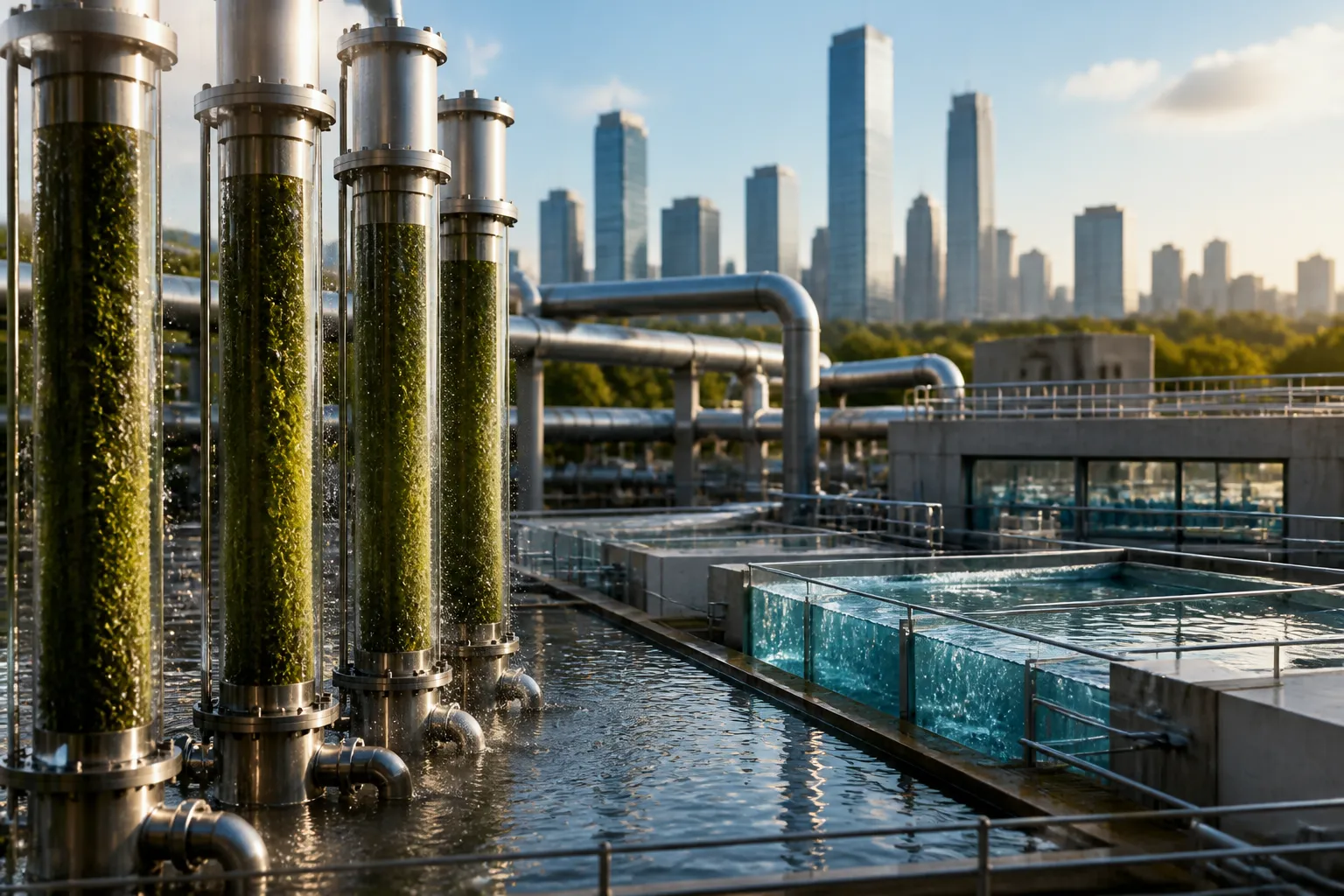
Bio‑Lace is a fibre‑based biological treatment that creates a fixed‑film medium for biofilm growth. It relies on natural microbial processes and does not require chemical additives. Compared with conventional activated‑sludge plants, the board noted that Bio‑Lace needs less land and consumes over 50 % less power, positioning it as a more cost‑effective and environmentally friendly option for urban wastewater management.
"The encouraging results suggest the technology could play a major role in Hyderabad’s long‑term strategy to keep untreated sewage from entering the Musi River," Reddy said. The board is studying the feasibility of scaling the system across the city’s drainage network and integrating it into future sewage treatment infrastructure. A proposal for expansion will be evaluated by the state Pollution Control Board before any rollout.
The inspection team also included CGM at HMWSSB Sujatha and General Manager of TBR Co., Japan, Kinoshita, along with other representatives. The pilot was launched in collaboration with JICA, which has a history of supporting infrastructure projects in India, and Euroclean TBR, which supplies the Bio‑Lace media.
HMWSSB’s decision follows a broader trend of Indian municipalities seeking low‑energy, low‑land‑use solutions for wastewater treatment. The board’s findings align with reports that Japan’s Bio‑Lace has been successfully deployed in several Japanese water bodies, achieving similar reductions in BOD and TSS.
While the pilot has shown promising results, the board has not yet committed to a citywide rollout. The next steps will involve a detailed feasibility study, cost analysis, and regulatory clearance from the Pollution Control Board. If approved, the technology could become part of Hyderabad’s efforts to meet national water quality standards and reduce the environmental impact of untreated sewage.
The pilot’s success also highlights the potential for international cooperation in municipal water management. JICA’s involvement underscores Japan’s role in providing technical assistance to developing countries, while Euroclean TBR’s technology demonstrates how private‑sector solutions can complement public infrastructure.
As Hyderabad continues to grow, the board’s exploration of Bio‑Lace reflects a broader push toward sustainable water treatment practices. The outcome of the feasibility study and any subsequent expansion will be closely watched by other Indian cities facing similar challenges.
In summary, Hyderabad’s HMWSSB has completed a 1 MLD pilot of Japan’s Bio‑Lace technology at Fatehnagar, achieving significant reductions in BOD and TSS without chemical use. The board is evaluating scaling the system citywide, pending regulatory approval. The project illustrates a potential pathway for more energy‑efficient, land‑saving wastewater treatment in urban India.
During a press briefing, HMWSSB officials—including Managing Director K. Ashok Reddy—reviewed the pilot’s performance alongside representatives from JICA and Euroclean TBR. Reddy highlighted that the technology has already been employed in Japan to rehabilitate more than 400 rivers and water bodies. In Fatehnagar, the Bio‑Lace system cut biochemical oxygen demand (BOD) by up to 90 % and total suspended solids (TSS) by about 85 %. Dissolved oxygen levels improved, and the foul odor was noticeably reduced, according to the board’s release.
Bio‑Lace is a fibre‑based biological treatment that creates a fixed‑film medium for biofilm growth. It relies on natural microbial processes and does not require chemical additives. Compared with conventional activated‑sludge plants, the board noted that Bio‑Lace needs less land and consumes over 50 % less power, positioning it as a more cost‑effective and environmentally friendly option for urban wastewater management.
"The encouraging results suggest the technology could play a major role in Hyderabad’s long‑term strategy to keep untreated sewage from entering the Musi River," Reddy said. The board is studying the feasibility of scaling the system across the city’s drainage network and integrating it into future sewage treatment infrastructure. A proposal for expansion will be evaluated by the state Pollution Control Board before any rollout.
The inspection team also included CGM at HMWSSB Sujatha and General Manager of TBR Co., Japan, Kinoshita, along with other representatives. The pilot was launched in collaboration with JICA, which has a history of supporting infrastructure projects in India, and Euroclean TBR, which supplies the Bio‑Lace media.
HMWSSB’s decision follows a broader trend of Indian municipalities seeking low‑energy, low‑land‑use solutions for wastewater treatment. The board’s findings align with reports that Japan’s Bio‑Lace has been successfully deployed in several Japanese water bodies, achieving similar reductions in BOD and TSS.
While the pilot has shown promising results, the board has not yet committed to a citywide rollout. The next steps will involve a detailed feasibility study, cost analysis, and regulatory clearance from the Pollution Control Board. If approved, the technology could become part of Hyderabad’s efforts to meet national water quality standards and reduce the environmental impact of untreated sewage.
The pilot’s success also highlights the potential for international cooperation in municipal water management. JICA’s involvement underscores Japan’s role in providing technical assistance to developing countries, while Euroclean TBR’s technology demonstrates how private‑sector solutions can complement public infrastructure.
As Hyderabad continues to grow, the board’s exploration of Bio‑Lace reflects a broader push toward sustainable water treatment practices. The outcome of the feasibility study and any subsequent expansion will be closely watched by other Indian cities facing similar challenges.
In summary, Hyderabad’s HMWSSB has completed a 1 MLD pilot of Japan’s Bio‑Lace technology at Fatehnagar, achieving significant reductions in BOD and TSS without chemical use. The board is evaluating scaling the system citywide, pending regulatory approval. The project illustrates a potential pathway for more energy‑efficient, land‑saving wastewater treatment in urban India.








