Blab Tech
New Jersey Passes First State Law Banning Surveillance Pricing in Grocery Stores
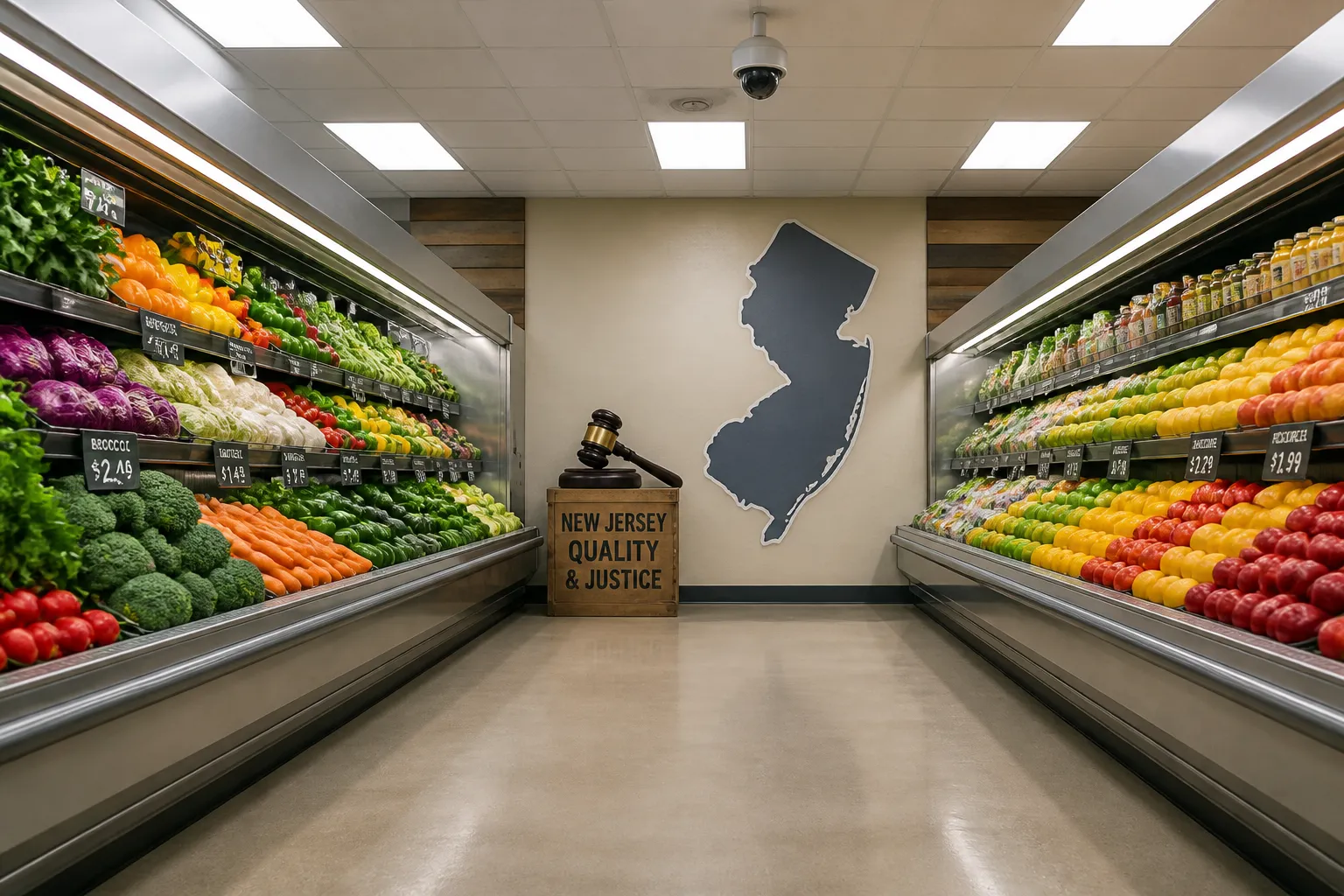
A grocery aisle in New Jersey is about to become a battleground against invisible price tags, as lawmakers just approved the Fair Price Protection Act—a bipartisan measure that could reshape how shoppers see the prices of their staples.
On Tuesday, the New Jersey Legislature gave the bill its final nod, sending it to Governor Mikie Sherrill for signature. Sponsored by Republican State Senator Britnee Timberlake and Democrat State Senator Vincent Polistina, the Act was adopted by a 22‑14 Senate vote and a 51‑20 Assembly vote. The law would prohibit grocery retailers from using algorithms or artificial‑intelligence systems to set different prices for the same product based on a customer’s personal data, whether online or in‑store. In addition, the legislation bars the use of electronic shelf labels (ESLs) in grocery stores for at least one year.
The bill’s definition of “surveillance pricing” is broad: any action that adjusts a product’s price “in whole or in part, based on personal data, whether in physical or digital environments.” Under the Act, price discrimination stemming from loyalty‑program data, military or senior discounts would be illegal unless the discounts are clearly disclosed, transparent, and applied uniformly.
ESLs—small digital displays that allow retailers to update shelf prices automatically from a central server—have already been rolled out by Walmart in all of its New Jersey stores. Walmart maintains that the technology is intended to improve pricing efficiency and does not facilitate price discrimination.
The United Food and Commercial Workers International Union welcomed the legislation, calling it a safeguard against “price gouging at the grocery store.” The union noted the rising cost of food and the need for consumer protection.
Surveillance pricing has attracted bipartisan attention in recent months. Maryland was the first state to ban the practice in April, followed by Connecticut in June. New York has a notification law that requires retailers to inform consumers when a price is set by an algorithm, but it does not prohibit the practice. Colorado’s governor vetoed a similar bill, citing concerns that it could also prevent legitimate price reductions tied to loyalty programs.
The new law arrives amid a broader economic context in which inflation has outpaced wage growth. In May, wages rose 3.7% while inflation reached 4.2%. A recent poll found that 68% of Americans worry about surveillance pricing, and 66% are concerned about grocery costs.
Industry observers warn that the legislation could affect large retailers that rely on dynamic pricing. Instacart, for example, was reported to have charged up to 25% more for identical items in a test that the company has since stopped. The Fair Price Protection Act aims to prevent similar practices in the grocery sector.
If signed, the law would make New Jersey the third state to prohibit surveillance pricing in grocery stores, following Maryland and Connecticut. The legislation could set a precedent for other states and spur further regulatory action nationwide.
At present, the bill remains pending the governor’s signature. The outcome will determine whether New Jersey becomes the latest state to enforce a ban on surveillance pricing and a temporary halt on ESLs in grocery retail.
On Tuesday, the New Jersey Legislature gave the bill its final nod, sending it to Governor Mikie Sherrill for signature. Sponsored by Republican State Senator Britnee Timberlake and Democrat State Senator Vincent Polistina, the Act was adopted by a 22‑14 Senate vote and a 51‑20 Assembly vote. The law would prohibit grocery retailers from using algorithms or artificial‑intelligence systems to set different prices for the same product based on a customer’s personal data, whether online or in‑store. In addition, the legislation bars the use of electronic shelf labels (ESLs) in grocery stores for at least one year.
The bill’s definition of “surveillance pricing” is broad: any action that adjusts a product’s price “in whole or in part, based on personal data, whether in physical or digital environments.” Under the Act, price discrimination stemming from loyalty‑program data, military or senior discounts would be illegal unless the discounts are clearly disclosed, transparent, and applied uniformly.
ESLs—small digital displays that allow retailers to update shelf prices automatically from a central server—have already been rolled out by Walmart in all of its New Jersey stores. Walmart maintains that the technology is intended to improve pricing efficiency and does not facilitate price discrimination.
The United Food and Commercial Workers International Union welcomed the legislation, calling it a safeguard against “price gouging at the grocery store.” The union noted the rising cost of food and the need for consumer protection.
Surveillance pricing has attracted bipartisan attention in recent months. Maryland was the first state to ban the practice in April, followed by Connecticut in June. New York has a notification law that requires retailers to inform consumers when a price is set by an algorithm, but it does not prohibit the practice. Colorado’s governor vetoed a similar bill, citing concerns that it could also prevent legitimate price reductions tied to loyalty programs.
The new law arrives amid a broader economic context in which inflation has outpaced wage growth. In May, wages rose 3.7% while inflation reached 4.2%. A recent poll found that 68% of Americans worry about surveillance pricing, and 66% are concerned about grocery costs.
Industry observers warn that the legislation could affect large retailers that rely on dynamic pricing. Instacart, for example, was reported to have charged up to 25% more for identical items in a test that the company has since stopped. The Fair Price Protection Act aims to prevent similar practices in the grocery sector.
If signed, the law would make New Jersey the third state to prohibit surveillance pricing in grocery stores, following Maryland and Connecticut. The legislation could set a precedent for other states and spur further regulatory action nationwide.
At present, the bill remains pending the governor’s signature. The outcome will determine whether New Jersey becomes the latest state to enforce a ban on surveillance pricing and a temporary halt on ESLs in grocery retail.








