Blab Tech
July 4th Is the Worst Day of the Year for Smartphone Damage, Asurion Data Shows
If your phone ends up in the water on July 4, you’re not alone. A recent analysis by Asurion – the firm that sells a majority of smartphone protection plans – shows that Independence Day consistently tops the list of days when mobile devices suffer the most damage.
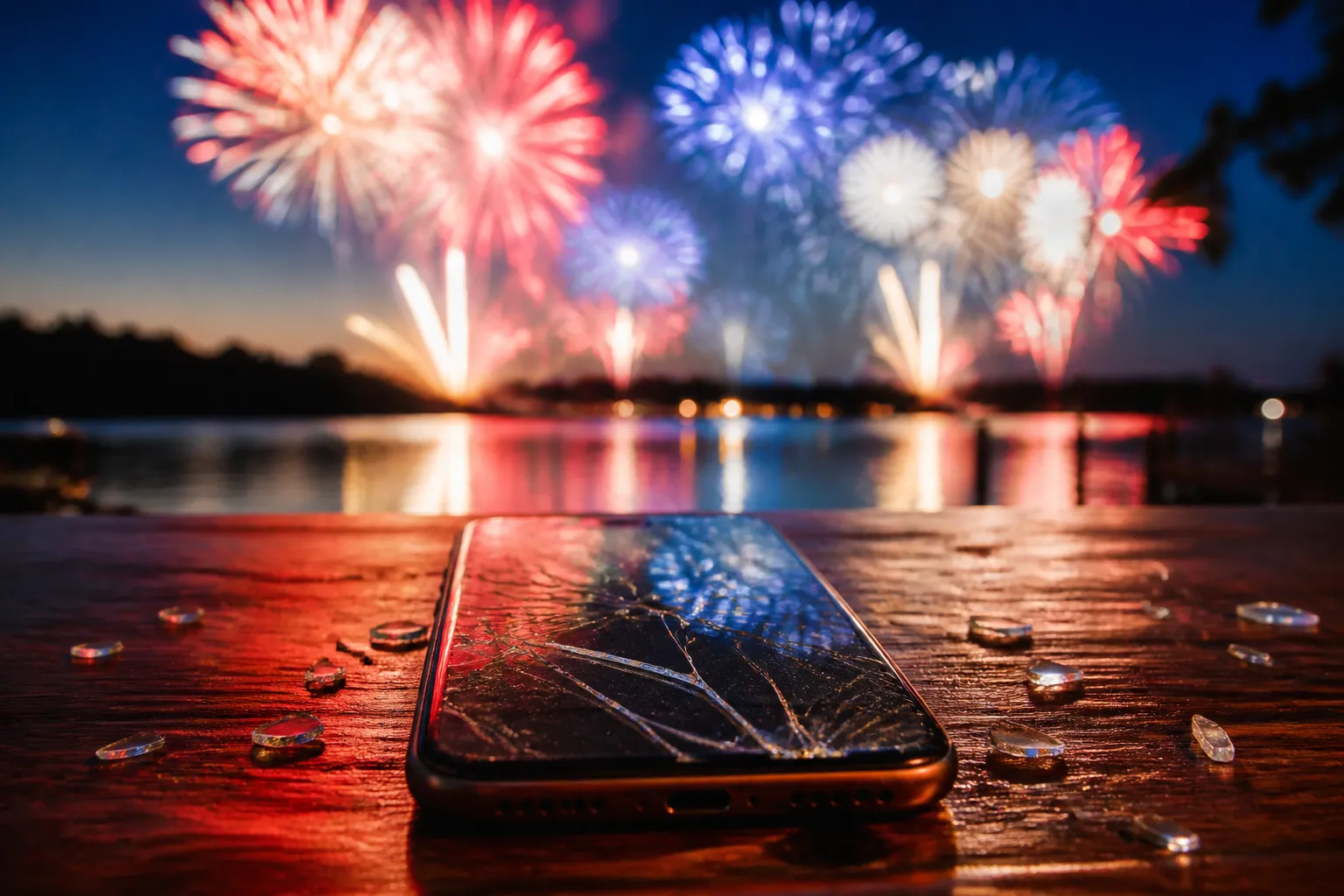
The data point to a mix of factors: people gather outdoors, near lakes, pools, or beaches, clutching drinks, coolers, and children’s gear. When a phone is lifted over water to capture fireworks or family moments, it often slips and falls into the liquid. Even phones marketed as "water‑resistant" are not immune. The term typically refers to a device’s ability to withstand a splash or brief immersion, but it offers no guarantee against prolonged exposure, saltwater, or accidental drops from a dock or boat.
Asurion’s claims database records a noticeable spike in water‑damage reports on the holiday. Cracked screens and glass backs rise in tandem with phones that are lost or become unrecoverable after falling into water. The company’s protection plans, sold through mobile carriers, cover lost or stolen devices and accessories such as earbuds and chargers.
The findings match the technical limits of most contemporary smartphones. Many models carry an IP68 rating, meaning they can survive immersion in up to a certain depth for a limited time. However, a crack in the glass or a damaged seal can allow moisture to seep in, leading to short circuits, corrosion, or battery damage. Saltwater is especially corrosive, and repeated exposure can weaken internal components.
To mitigate the risk, Asurion recommends a handful of practical steps:
1. Back up first. Store photos, contacts, and documents in iCloud, Google Photos, Google Drive, or a computer before heading out. 2. Use a waterproof pouch. Place the phone in a pouch that can float; it can be a lifesaver if the device falls overboard. 3. Inspect for cracks. Even a small fissure can compromise water resistance. 4. Act quickly if wet. Avoid plugging the phone in, shake it gently with the charging port facing down, and let it dry in a well‑ventilated area. iPhone users can also trigger the Water Eject shortcut, which emits a low‑frequency tone that may help dislodge water from the speaker.
The broader context is that smartphone durability remains a concern for consumers. Asurion’s protection plans address not only water damage but also accidental drops, theft, and other common incidents. The company’s data collection helps carriers and insurers spot seasonal patterns and adjust coverage options accordingly.
At present, no new phone models or protection products have been announced in response to the July 4 trend. Consumers who rely on their devices for photography, navigation, or communication are encouraged to take the preventive measures outlined above. The long‑term effects of repeated water exposure on device performance are still under study, and manufacturers continue to refine water‑resistance standards.
In short, July 4 remains the most hazardous day for smartphones, according to Asurion’s claim data. The combination of outdoor festivities, water proximity, and the desire to capture the moment increases the likelihood of accidental immersion. By backing up data, using waterproof pouches, inspecting for cracks, and following proper drying procedures, users can reduce the risk of permanent damage.
The data point to a mix of factors: people gather outdoors, near lakes, pools, or beaches, clutching drinks, coolers, and children’s gear. When a phone is lifted over water to capture fireworks or family moments, it often slips and falls into the liquid. Even phones marketed as "water‑resistant" are not immune. The term typically refers to a device’s ability to withstand a splash or brief immersion, but it offers no guarantee against prolonged exposure, saltwater, or accidental drops from a dock or boat.
Asurion’s claims database records a noticeable spike in water‑damage reports on the holiday. Cracked screens and glass backs rise in tandem with phones that are lost or become unrecoverable after falling into water. The company’s protection plans, sold through mobile carriers, cover lost or stolen devices and accessories such as earbuds and chargers.
The findings match the technical limits of most contemporary smartphones. Many models carry an IP68 rating, meaning they can survive immersion in up to a certain depth for a limited time. However, a crack in the glass or a damaged seal can allow moisture to seep in, leading to short circuits, corrosion, or battery damage. Saltwater is especially corrosive, and repeated exposure can weaken internal components.
To mitigate the risk, Asurion recommends a handful of practical steps:
1. Back up first. Store photos, contacts, and documents in iCloud, Google Photos, Google Drive, or a computer before heading out. 2. Use a waterproof pouch. Place the phone in a pouch that can float; it can be a lifesaver if the device falls overboard. 3. Inspect for cracks. Even a small fissure can compromise water resistance. 4. Act quickly if wet. Avoid plugging the phone in, shake it gently with the charging port facing down, and let it dry in a well‑ventilated area. iPhone users can also trigger the Water Eject shortcut, which emits a low‑frequency tone that may help dislodge water from the speaker.
The broader context is that smartphone durability remains a concern for consumers. Asurion’s protection plans address not only water damage but also accidental drops, theft, and other common incidents. The company’s data collection helps carriers and insurers spot seasonal patterns and adjust coverage options accordingly.
At present, no new phone models or protection products have been announced in response to the July 4 trend. Consumers who rely on their devices for photography, navigation, or communication are encouraged to take the preventive measures outlined above. The long‑term effects of repeated water exposure on device performance are still under study, and manufacturers continue to refine water‑resistance standards.
In short, July 4 remains the most hazardous day for smartphones, according to Asurion’s claim data. The combination of outdoor festivities, water proximity, and the desire to capture the moment increases the likelihood of accidental immersion. By backing up data, using waterproof pouches, inspecting for cracks, and following proper drying procedures, users can reduce the risk of permanent damage.