Blab Tech
Binghamton University Opens New Cleanroom to Train Students for Upstate New Yorks Growing Semiconductor Industry
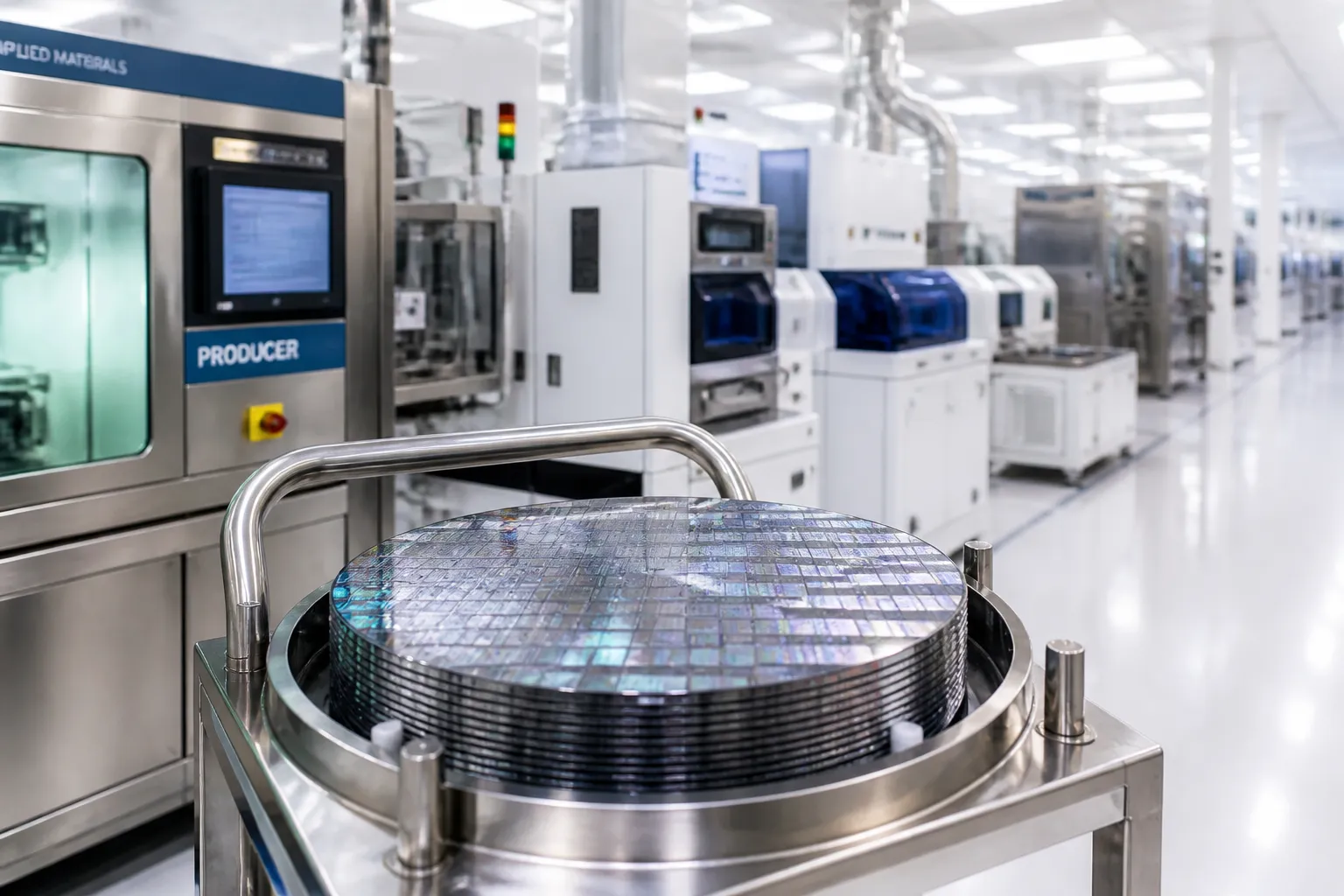
On Thursday, Binghamton University celebrated the grand opening of a new cleanroom and microelectronics‑packaging research hub within its Nanofabrication Lab (NLAB) in the Innovative Technologies Complex. The ceremony drew U.S. Senator Chuck Schumer, university President Anne D’Alleva, and Dean Atul Kelkar of Watson College of Engineering and Applied Science.
The state‑of‑the‑art cleanroom was made possible by a $1 million federal earmark that Senator Schumer helped secure. It offers hands‑on instruction in key nanofabrication techniques—including sputtering, electron‑beam evaporation, and wire bonding—allowing students to work directly with the same equipment used in industry. According to the university, 20 student researchers are already taking advantage of the space.
Binghamton intends to train more than 100 students annually in the facility. An introductory nanofabrication course will launch this fall, establishing a clear academic pathway for those eyeing semiconductor careers. The university also highlighted the Koffman Southern Tier Incubator, which received extra federal funding to attract technology firms and startups to the region.
During the opening, Senator Schumer called the new cleanroom a “major step forward” in positioning the Southern Tier as a hub for electronics manufacturing and research. He also announced the Make More In America Act, a bill aimed at expanding U.S. manufacturing capacity in critical sectors such as microelectronics and battery production.
The act arrives amid a wave of new chip projects in Upstate New York that together exceed $100 billion in investment. Senator Schumer noted that the federal grant for Binghamton’s cleanroom is part of a broader effort to equip students with the skills needed for jobs in the semiconductor industry.
Binghamton’s cleanroom initiative dovetails with the university’s strategy to support the Make More In America Act’s goals of creating higher‑wage jobs and bolstering the country’s competitive edge. The facility directly advances the act’s focus on expanding domestic manufacturing in strategic sectors such as semiconductors, artificial intelligence, and quantum technology.
In the past five years, Binghamton has secured nearly $200 million in federal funding for manufacturing and research, including:
$1 million in the FY2026 Transportation, Housing and Urban Development budget bill to expand capacity at the Koffman Southern Tier Incubator. A $15 million grant in 2024 for the first two years, and up to $160 million over ten years, for the university‑led New Energy New York coalition, part of the National Science Foundation’s inaugural Regional Innovation Engines. * A $500 k Consortium Accelerator Award in 2024 through the federal Tech Hubs program, created under the CHIPS & Science Act, to attract capital investment and new companies to the region.
The cleanroom and research facility are designed to bridge the gap between academic inquiry and industry practice. By giving students real‑world experience in advanced microelectronics packaging, Binghamton aims to supply the local workforce with the expertise needed for the region’s expanding semiconductor and battery manufacturing sectors.
As Upstate New York continues to attract large‑scale chip projects, the cleanroom’s role in training a skilled workforce will be critical. University leaders emphasized that the facility is a strategic asset for New York, preparing students for careers in semiconductor and battery storage industries while supporting regional entrepreneurship.
Today the cleanroom is fully operational, 20 students are actively training, and an introductory course will begin in the fall. No additional funding or expansion plans have been announced beyond the existing federal investments. The Make More In America Act remains pending in Congress, and its eventual impact on future manufacturing projects in the Southern Tier is still uncertain.
The state‑of‑the‑art cleanroom was made possible by a $1 million federal earmark that Senator Schumer helped secure. It offers hands‑on instruction in key nanofabrication techniques—including sputtering, electron‑beam evaporation, and wire bonding—allowing students to work directly with the same equipment used in industry. According to the university, 20 student researchers are already taking advantage of the space.
Binghamton intends to train more than 100 students annually in the facility. An introductory nanofabrication course will launch this fall, establishing a clear academic pathway for those eyeing semiconductor careers. The university also highlighted the Koffman Southern Tier Incubator, which received extra federal funding to attract technology firms and startups to the region.
During the opening, Senator Schumer called the new cleanroom a “major step forward” in positioning the Southern Tier as a hub for electronics manufacturing and research. He also announced the Make More In America Act, a bill aimed at expanding U.S. manufacturing capacity in critical sectors such as microelectronics and battery production.
The act arrives amid a wave of new chip projects in Upstate New York that together exceed $100 billion in investment. Senator Schumer noted that the federal grant for Binghamton’s cleanroom is part of a broader effort to equip students with the skills needed for jobs in the semiconductor industry.
Binghamton’s cleanroom initiative dovetails with the university’s strategy to support the Make More In America Act’s goals of creating higher‑wage jobs and bolstering the country’s competitive edge. The facility directly advances the act’s focus on expanding domestic manufacturing in strategic sectors such as semiconductors, artificial intelligence, and quantum technology.
In the past five years, Binghamton has secured nearly $200 million in federal funding for manufacturing and research, including:
$1 million in the FY2026 Transportation, Housing and Urban Development budget bill to expand capacity at the Koffman Southern Tier Incubator. A $15 million grant in 2024 for the first two years, and up to $160 million over ten years, for the university‑led New Energy New York coalition, part of the National Science Foundation’s inaugural Regional Innovation Engines. * A $500 k Consortium Accelerator Award in 2024 through the federal Tech Hubs program, created under the CHIPS & Science Act, to attract capital investment and new companies to the region.
The cleanroom and research facility are designed to bridge the gap between academic inquiry and industry practice. By giving students real‑world experience in advanced microelectronics packaging, Binghamton aims to supply the local workforce with the expertise needed for the region’s expanding semiconductor and battery manufacturing sectors.
As Upstate New York continues to attract large‑scale chip projects, the cleanroom’s role in training a skilled workforce will be critical. University leaders emphasized that the facility is a strategic asset for New York, preparing students for careers in semiconductor and battery storage industries while supporting regional entrepreneurship.
Today the cleanroom is fully operational, 20 students are actively training, and an introductory course will begin in the fall. No additional funding or expansion plans have been announced beyond the existing federal investments. The Make More In America Act remains pending in Congress, and its eventual impact on future manufacturing projects in the Southern Tier is still uncertain.