Blab Tech
Microsofts Project Helix Likely to Launch Without Disc Drive, Following Sonys 2028 Physical-Disc Cut
When the next Xbox is announced, the absence of a disc drive will be the first thing many gamers notice. According to Windows Central and other outlets, Microsoft’s next‑generation console—codenamed Project Helix—will probably launch without a built‑in optical drive, making it the first Xbox generation since the Series S to be digital‑only.
The news arrives just weeks after Sony Interactive Entertainment revealed that it will cease production of physical discs for new PlayStation titles in January 2028. In a PlayStation Blog post, Sony explained that it will continue to support games already released on disc but will make all future titles available exclusively through the PlayStation Store.
Project Helix would follow the broader industry shift toward digital distribution. The Xbox Series S, released in 2020, was already a digital‑only platform, while the Series X retained an optical drive. Eliminating the drive entirely would change how players acquire and own games.
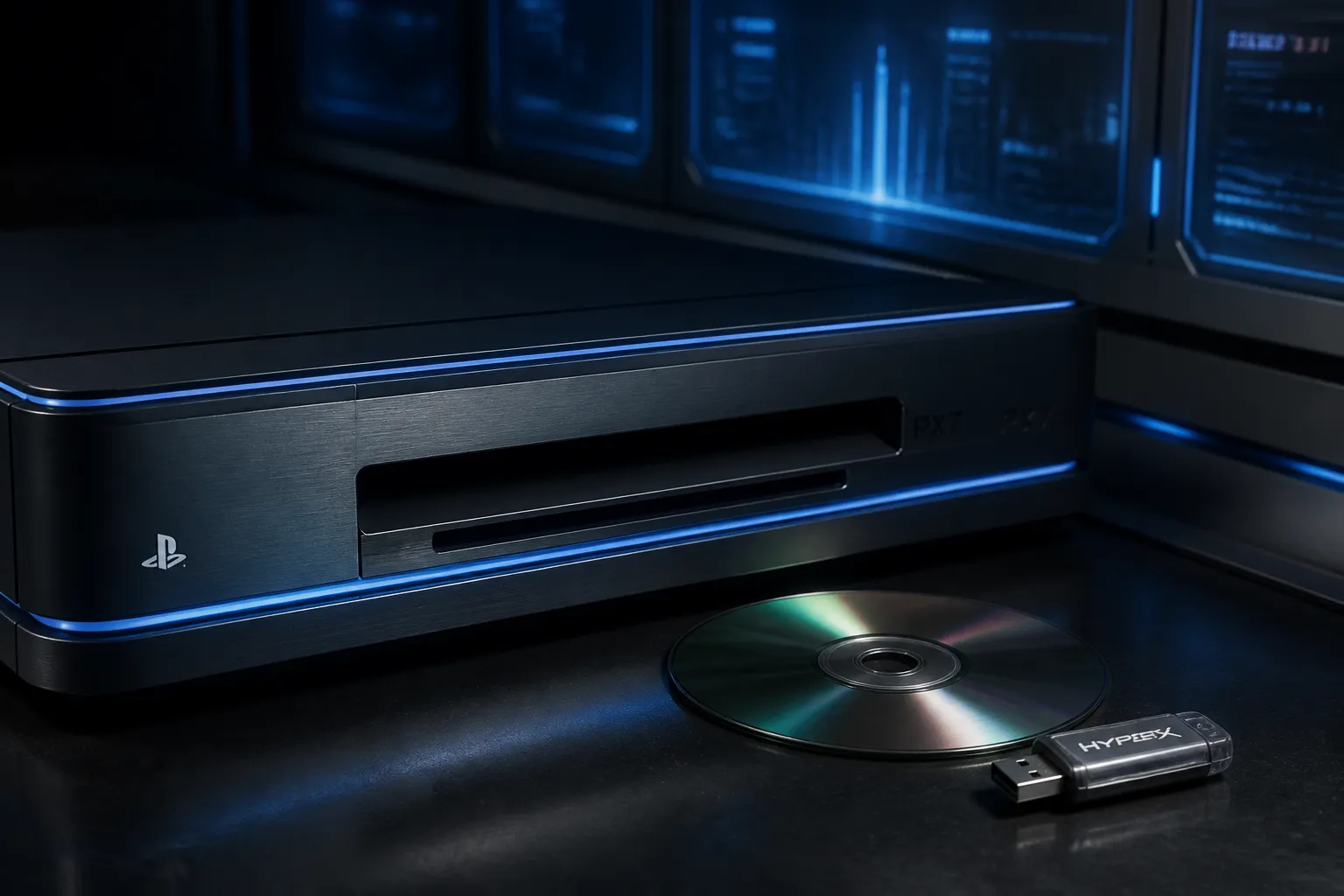
Microsoft is said to be considering a workaround for those who still wish to use physical copies. The proposed solution would involve an external disc drive that could be connected to the Helix. Players would insert a disc, and the system would generate a unique code that unlocks the title through the player’s Xbox account. This would allow the game to run on the Helix even though the console itself lacks a built‑in drive.
The same mechanism would apply to older Xbox Series X/S and Xbox One titles, enabling users to digitize their existing collections. However, the feature would not permit new physical copies to be sold or traded; the digital code would be tied to the original disc.
The move to a digital‑only console raises concerns about game ownership and resale. Physical discs have historically enabled players to buy, sell, and trade games, fostering a secondary market and a sense of community around used‑game stores. Removing the disc drive could limit these practices, tying games to a single account and to Microsoft’s digital storefront.
Industry observers note that the trend toward digital distribution is driven by consumer preference for instant access and the lower cost of digital storefronts. Publishers argue that digital sales reduce manufacturing and distribution costs and allow for more flexible pricing. Microsoft’s own statements suggest that a digital‑only console could give the company greater control over game availability and enable it to shut down titles at its discretion.
Players face a mixed picture. On one hand, a digital‑only console could simplify the buying process and reduce physical media waste. On the other hand, it could erode the ability to own a physical copy of a game—a collectible or a backup in case of service outages.
The Helix’s design choice aligns with the broader shift in the gaming industry. Sony’s 2028 disc‑free policy, announced in a statement that the company said reflects the “rapid growth of digital media,” mirrors Microsoft’s reported plans. Together, the two major console makers would be moving the industry toward a fully digital ecosystem.
Microsoft’s next‑generation console remains in development, with a keynote at the 2026 Game Developer Conference offering limited technical details. No official launch date or pricing has been announced, and the company has not yet confirmed the disc‑drive decision. Nevertheless, the convergence of multiple independent reports suggests that Helix will likely be digital‑only.
In short, Project Helix is expected to launch without a built‑in disc drive, following Sony’s 2028 decision to end physical disc production for new PlayStation titles. Microsoft may offer an external disc‑drive workaround that would digitize existing physical collections, but the move would limit the resale and trading of physical games. The change reflects a broader industry trend toward digital distribution, with implications for game ownership, community practices, and the future of physical media in gaming.
The news arrives just weeks after Sony Interactive Entertainment revealed that it will cease production of physical discs for new PlayStation titles in January 2028. In a PlayStation Blog post, Sony explained that it will continue to support games already released on disc but will make all future titles available exclusively through the PlayStation Store.
Project Helix would follow the broader industry shift toward digital distribution. The Xbox Series S, released in 2020, was already a digital‑only platform, while the Series X retained an optical drive. Eliminating the drive entirely would change how players acquire and own games.
Microsoft is said to be considering a workaround for those who still wish to use physical copies. The proposed solution would involve an external disc drive that could be connected to the Helix. Players would insert a disc, and the system would generate a unique code that unlocks the title through the player’s Xbox account. This would allow the game to run on the Helix even though the console itself lacks a built‑in drive.
The same mechanism would apply to older Xbox Series X/S and Xbox One titles, enabling users to digitize their existing collections. However, the feature would not permit new physical copies to be sold or traded; the digital code would be tied to the original disc.
The move to a digital‑only console raises concerns about game ownership and resale. Physical discs have historically enabled players to buy, sell, and trade games, fostering a secondary market and a sense of community around used‑game stores. Removing the disc drive could limit these practices, tying games to a single account and to Microsoft’s digital storefront.
Industry observers note that the trend toward digital distribution is driven by consumer preference for instant access and the lower cost of digital storefronts. Publishers argue that digital sales reduce manufacturing and distribution costs and allow for more flexible pricing. Microsoft’s own statements suggest that a digital‑only console could give the company greater control over game availability and enable it to shut down titles at its discretion.
Players face a mixed picture. On one hand, a digital‑only console could simplify the buying process and reduce physical media waste. On the other hand, it could erode the ability to own a physical copy of a game—a collectible or a backup in case of service outages.
The Helix’s design choice aligns with the broader shift in the gaming industry. Sony’s 2028 disc‑free policy, announced in a statement that the company said reflects the “rapid growth of digital media,” mirrors Microsoft’s reported plans. Together, the two major console makers would be moving the industry toward a fully digital ecosystem.
Microsoft’s next‑generation console remains in development, with a keynote at the 2026 Game Developer Conference offering limited technical details. No official launch date or pricing has been announced, and the company has not yet confirmed the disc‑drive decision. Nevertheless, the convergence of multiple independent reports suggests that Helix will likely be digital‑only.
In short, Project Helix is expected to launch without a built‑in disc drive, following Sony’s 2028 decision to end physical disc production for new PlayStation titles. Microsoft may offer an external disc‑drive workaround that would digitize existing physical collections, but the move would limit the resale and trading of physical games. The change reflects a broader industry trend toward digital distribution, with implications for game ownership, community practices, and the future of physical media in gaming.