Blab Tech
Meta Launches New Smart Glasses Line, Including Kylie Jenner-Designed Edition
On June 23 2026, Meta Platforms announced a fresh slate of smart glasses that will, for the first time, carry the company’s own brand name instead of the Ray‑Ban or Oakley labels that marked earlier models. The new line is being manufactured by EssilorLuxottica, the Franco‑Italian eyewear conglomerate that owns major brands such as Ray‑Ban and Oakley.
The launch features 26 distinct styles, priced from $299 for the base models to $399 for the Kylie Jenner‑designed Meta Starfire Glasses, the so‑called Kylie Edition. The Starfire pair comes in Classic Black and Dark Tortoise frames, with an optional $80 upgrade to Transitions lenses that darken in sunlight. Meta’s own online store, Best Buy, Sunglass Hut, and Lenscrafters are among the retailers that will carry the new glasses.
Under the hood, the glasses are equipped with a 12‑megapixel camera, a five‑microphone array, and built‑in stereo speakers. They run Meta’s Muse Spark AI platform, which lets users issue voice commands, capture photos and videos hands‑free, and receive real‑time translation of spoken language. Battery life is advertised at eight hours on a single charge, with a companion case extending total runtime to roughly 40 hours.
The Kylie‑Jenner edition adds a handful of cosmetic touches that set it apart from the other styles. The frames feature a slim oval silhouette, three‑way adjustable nose pads, and a small gem on the left lens. A voice assistant that uses Jenner’s recorded voice is also included; it can make phone calls, offer recipe ideas, and provide style suggestions.
Meta said the glasses can be upgraded with prescription lenses, making them eligible for flexible‑spending‑account (FSA) reimbursement. The partnership with EssilorLuxottica allows the company to leverage the eyewear manufacturer’s expertise in lens technology and production.
The new line follows Meta’s earlier releases of Ray‑Ban Meta and Oakley Meta glasses, introduced in 2023 and 2024 respectively. Those models were marketed under the established brand names and featured similar hardware, but the new Meta Glasses are sold under Meta’s own branding and are priced lower than the Ray‑Ban Meta Wayfarer, which began retailing at $379.
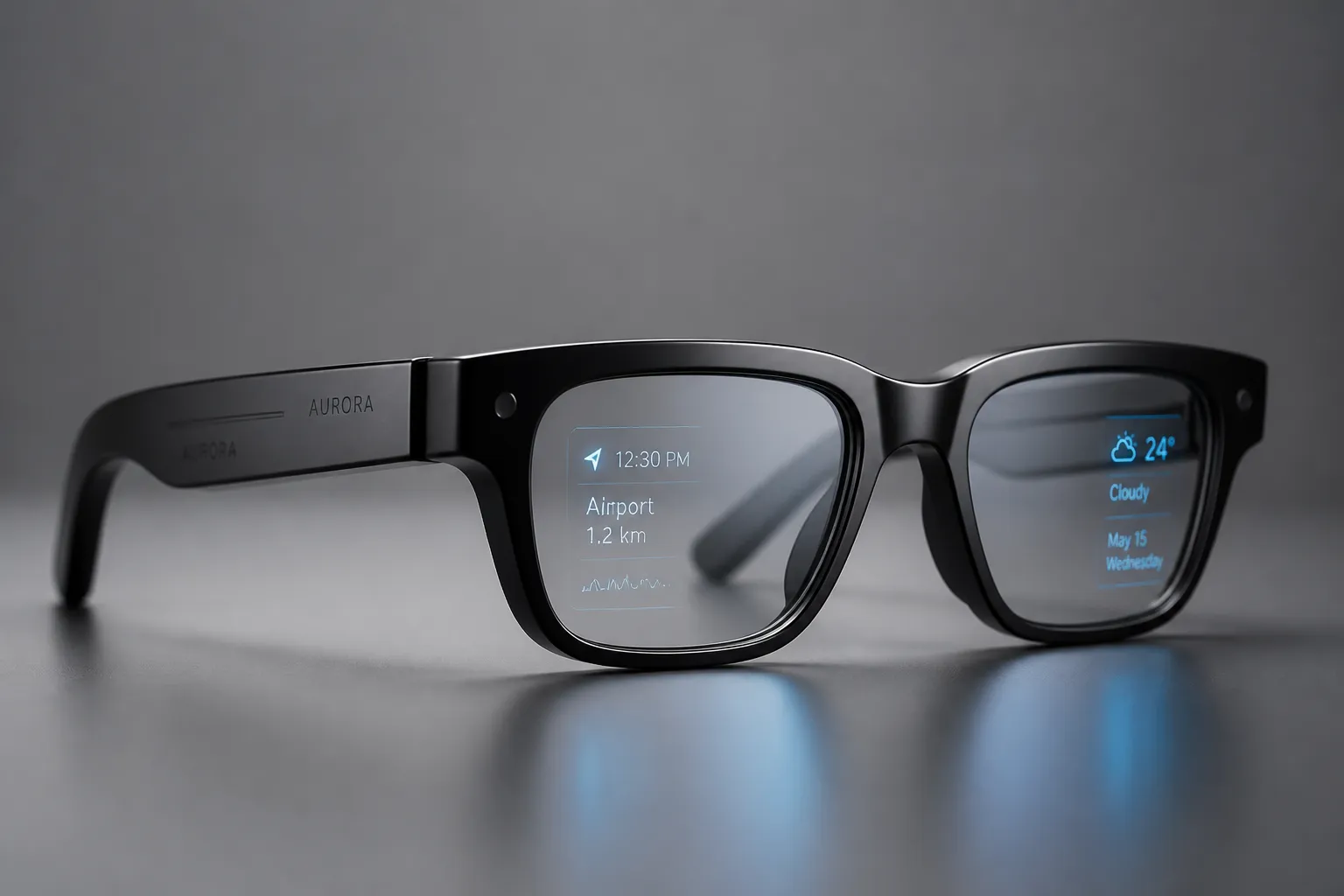
Industry observers note that Meta’s move to launch a standalone smart‑glasses brand signals a broader strategy to expand its presence in the wearable‑tech market. The company has been investing heavily in augmented‑reality (AR) research, and the glasses are described as a “step toward a more advanced device that includes screens in the lenses.” Meta’s CEO has previously emphasized the importance of AR for the company’s long‑term vision.
Retailers report that the glasses are already in high demand, with several stores noting a surge in inquiries from consumers who want the Kylie‑Jenner edition. Meta’s website lists the glasses as available for immediate shipping, and the company has indicated that it will continue to add new styles and color options in the coming months.
The launch also coincides with Meta’s broader push to monetize its AI capabilities. The glasses’ built‑in AI assistant is part of Meta’s effort to integrate its AI platform into everyday consumer products, a strategy that has been highlighted in the company’s recent earnings calls.
In summary, Meta’s new smart‑glasses line introduces a range of 26 styles, including a celebrity‑branded edition that adds cosmetic flair and a voice‑assistant feature. Priced from $299 to $399, the glasses are available at major retailers and can be customized with prescription lenses. The partnership with EssilorLuxottica ensures high‑quality manufacturing, while the devices’ AI and camera capabilities position them as a competitive offering in the growing wearable‑tech market.
Meta has not yet announced a roadmap for future hardware upgrades, but industry analysts expect the company to continue expanding its AR ecosystem in the next 12 to 18 months.
The launch features 26 distinct styles, priced from $299 for the base models to $399 for the Kylie Jenner‑designed Meta Starfire Glasses, the so‑called Kylie Edition. The Starfire pair comes in Classic Black and Dark Tortoise frames, with an optional $80 upgrade to Transitions lenses that darken in sunlight. Meta’s own online store, Best Buy, Sunglass Hut, and Lenscrafters are among the retailers that will carry the new glasses.
Under the hood, the glasses are equipped with a 12‑megapixel camera, a five‑microphone array, and built‑in stereo speakers. They run Meta’s Muse Spark AI platform, which lets users issue voice commands, capture photos and videos hands‑free, and receive real‑time translation of spoken language. Battery life is advertised at eight hours on a single charge, with a companion case extending total runtime to roughly 40 hours.
The Kylie‑Jenner edition adds a handful of cosmetic touches that set it apart from the other styles. The frames feature a slim oval silhouette, three‑way adjustable nose pads, and a small gem on the left lens. A voice assistant that uses Jenner’s recorded voice is also included; it can make phone calls, offer recipe ideas, and provide style suggestions.
Meta said the glasses can be upgraded with prescription lenses, making them eligible for flexible‑spending‑account (FSA) reimbursement. The partnership with EssilorLuxottica allows the company to leverage the eyewear manufacturer’s expertise in lens technology and production.
The new line follows Meta’s earlier releases of Ray‑Ban Meta and Oakley Meta glasses, introduced in 2023 and 2024 respectively. Those models were marketed under the established brand names and featured similar hardware, but the new Meta Glasses are sold under Meta’s own branding and are priced lower than the Ray‑Ban Meta Wayfarer, which began retailing at $379.
Industry observers note that Meta’s move to launch a standalone smart‑glasses brand signals a broader strategy to expand its presence in the wearable‑tech market. The company has been investing heavily in augmented‑reality (AR) research, and the glasses are described as a “step toward a more advanced device that includes screens in the lenses.” Meta’s CEO has previously emphasized the importance of AR for the company’s long‑term vision.
Retailers report that the glasses are already in high demand, with several stores noting a surge in inquiries from consumers who want the Kylie‑Jenner edition. Meta’s website lists the glasses as available for immediate shipping, and the company has indicated that it will continue to add new styles and color options in the coming months.
The launch also coincides with Meta’s broader push to monetize its AI capabilities. The glasses’ built‑in AI assistant is part of Meta’s effort to integrate its AI platform into everyday consumer products, a strategy that has been highlighted in the company’s recent earnings calls.
In summary, Meta’s new smart‑glasses line introduces a range of 26 styles, including a celebrity‑branded edition that adds cosmetic flair and a voice‑assistant feature. Priced from $299 to $399, the glasses are available at major retailers and can be customized with prescription lenses. The partnership with EssilorLuxottica ensures high‑quality manufacturing, while the devices’ AI and camera capabilities position them as a competitive offering in the growing wearable‑tech market.
Meta has not yet announced a roadmap for future hardware upgrades, but industry analysts expect the company to continue expanding its AR ecosystem in the next 12 to 18 months.








