Blab Tech
Amazon Prime Day Drives Low-Cost Smart-Home Builds With Raspberry Pi and ESP32
Prime Day has turned a familiar shopping event into a low‑price launchpad for hobbyists and DIY enthusiasts eager to assemble a fully functional smart‑home system for under $100.
The discounts on single‑board computers (SBCs) and microcontrollers mean that the core components—an Home Assistant hub and a network of sensor nodes—are not only affordable but also readily available. The Raspberry Pi 3B+ tops the list of popular hubs, offering a quad‑core Cortex‑A53 processor at 1.4 GHz, 1 GB of LPDDR2 RAM, dual‑band Wi‑Fi, Bluetooth 4.2, and Gigabit Ethernet routed through USB 2.0. Amazon’s Prime Day price of $49.79 is the model’s floor price since its 2018 launch, and the 1 GB memory limit is sufficient for a basic Home Assistant installation. Its compact size and low power draw let it double as a lightweight home server once automations are in place.
For users seeking a newer platform, the Raspberry Pi 4 offers a quad‑core Cortex‑A72 CPU at 1.5 GHz, up to 8 GB of LPDDR4‑3200 SDRAM, and true Gigabit Ethernet. The 1‑GB variant remains on sale, though it carries a higher price tag than the 3B+. The extra RAM and faster CPU make the Pi 4 attractive for those who plan to run multiple Home Assistant add‑ons or other services.
Other SBCs that match the Pi’s form factor are also on sale. The Libre Computer Le Potato, powered by an Amlogic S905X SoC, comes with 2 GB of DDR3 RAM and a 40‑pin GPIO header that is compatible with Pi accessories. It is priced at $60 and can run official Home Assistant OS builds. The Orange Pi 3B, which includes Wi‑Fi 5 and an M.2 NVMe slot, is available for $70 for the 2‑GB version. The NVMe slot is significant because Home Assistant writes to a database constantly; local NVMe storage offers faster write speeds than microSD.
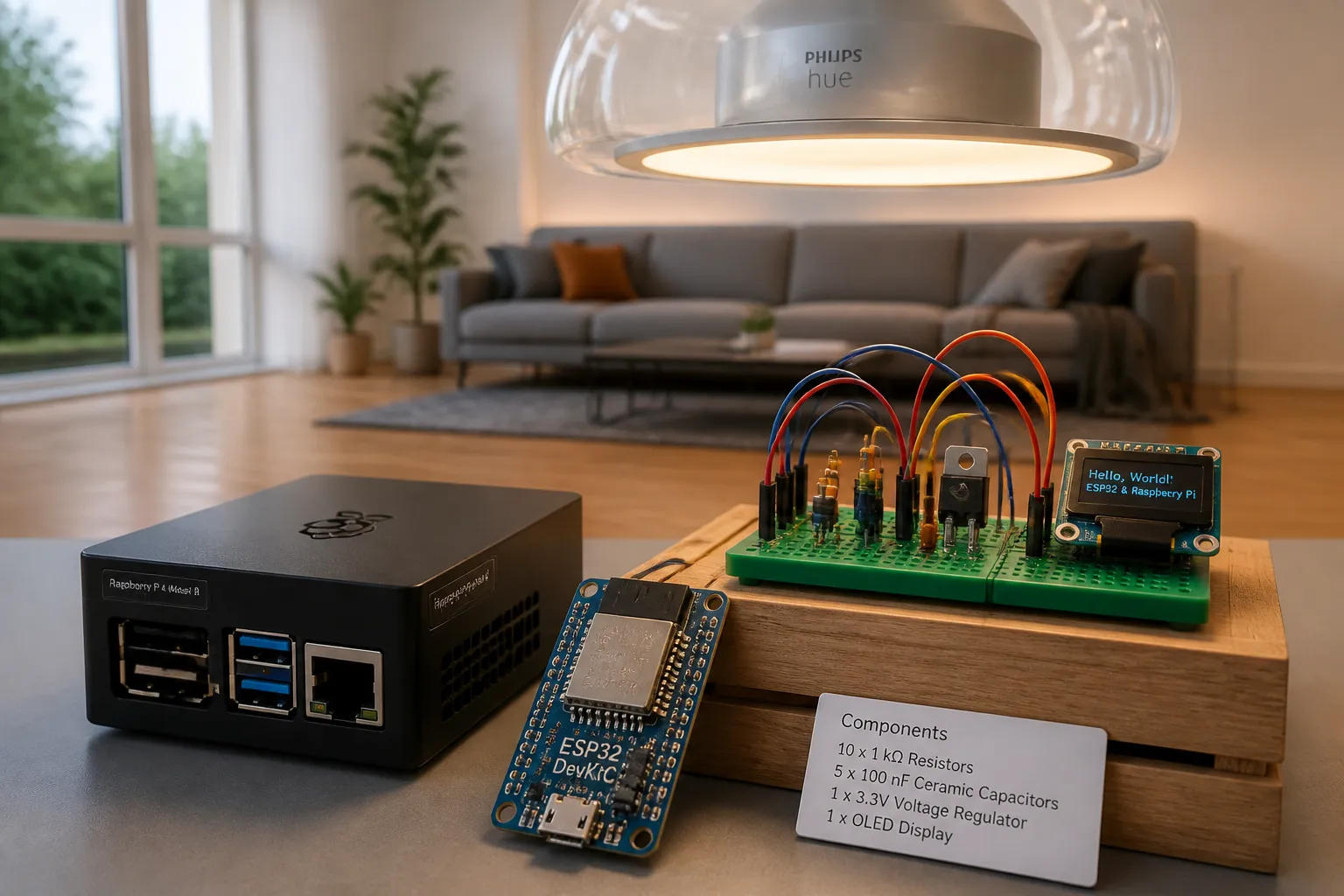
The sensor layer is supplied by ESP32 microcontrollers, which are inexpensive and already integrated with ESPHome—a firmware that exposes the device to Home Assistant without a cloud connection. Prime Day discounts bring a three‑pack of Elegoo ESP32 boards to $16.14 (about $5.38 each) and a three‑pack of Hosyond ESP32‑S3 boards to $15.19 (about $5.06 each). The cheaper ESP32‑C3 and ESP32‑C6 variants are also discounted; the C6 offers Wi‑Fi 6, Bluetooth 5.3, and a built‑in 1.47‑inch color display.
A starter stack that includes a Pi 3B+, a three‑pack of ESP32 boards, and a three‑pack of DHT22 temperature/humidity sensors costs $74.92. This one‑time purchase provides a Home Assistant hub and three sensor nodes that can report temperature, presence, and other data. The cost is a fraction of what commercial smart‑home systems charge for similar functionality, and it eliminates the need for a recurring cloud subscription.
Prime Day deals also extend to accessories such as the Elegoo 37‑in‑1 sensor kit ($31.44) and OLED displays ($8.49 for a three‑pack). These components allow users to prototype and expand their home‑automation network without significant additional expense.
In short, Prime Day has made the hardware foundation for a DIY smart home more affordable than ever. The combination of a low‑cost SBC, inexpensive ESP32 nodes, and discounted sensors means that anyone can build a Home Assistant‑based system for under $100, with the option to scale later by adding more RAM or switching to a higher‑performance board.
The current landscape shows that the Raspberry Pi 3B+ remains a viable entry point, while the Pi 4, Le Potato, and Orange Pi 3B offer alternatives for users who need more power or storage. As Prime Day concludes, the next step for many hobbyists will be to assemble the hardware, install Home Assistant OS, and begin configuring sensors and automations. No regulatory actions or court proceedings are currently affecting the availability of these components, and the market continues to support a vibrant ecosystem of open‑source firmware and community‑driven add‑ons.
The discounts on single‑board computers (SBCs) and microcontrollers mean that the core components—an Home Assistant hub and a network of sensor nodes—are not only affordable but also readily available. The Raspberry Pi 3B+ tops the list of popular hubs, offering a quad‑core Cortex‑A53 processor at 1.4 GHz, 1 GB of LPDDR2 RAM, dual‑band Wi‑Fi, Bluetooth 4.2, and Gigabit Ethernet routed through USB 2.0. Amazon’s Prime Day price of $49.79 is the model’s floor price since its 2018 launch, and the 1 GB memory limit is sufficient for a basic Home Assistant installation. Its compact size and low power draw let it double as a lightweight home server once automations are in place.
For users seeking a newer platform, the Raspberry Pi 4 offers a quad‑core Cortex‑A72 CPU at 1.5 GHz, up to 8 GB of LPDDR4‑3200 SDRAM, and true Gigabit Ethernet. The 1‑GB variant remains on sale, though it carries a higher price tag than the 3B+. The extra RAM and faster CPU make the Pi 4 attractive for those who plan to run multiple Home Assistant add‑ons or other services.
Other SBCs that match the Pi’s form factor are also on sale. The Libre Computer Le Potato, powered by an Amlogic S905X SoC, comes with 2 GB of DDR3 RAM and a 40‑pin GPIO header that is compatible with Pi accessories. It is priced at $60 and can run official Home Assistant OS builds. The Orange Pi 3B, which includes Wi‑Fi 5 and an M.2 NVMe slot, is available for $70 for the 2‑GB version. The NVMe slot is significant because Home Assistant writes to a database constantly; local NVMe storage offers faster write speeds than microSD.
The sensor layer is supplied by ESP32 microcontrollers, which are inexpensive and already integrated with ESPHome—a firmware that exposes the device to Home Assistant without a cloud connection. Prime Day discounts bring a three‑pack of Elegoo ESP32 boards to $16.14 (about $5.38 each) and a three‑pack of Hosyond ESP32‑S3 boards to $15.19 (about $5.06 each). The cheaper ESP32‑C3 and ESP32‑C6 variants are also discounted; the C6 offers Wi‑Fi 6, Bluetooth 5.3, and a built‑in 1.47‑inch color display.
A starter stack that includes a Pi 3B+, a three‑pack of ESP32 boards, and a three‑pack of DHT22 temperature/humidity sensors costs $74.92. This one‑time purchase provides a Home Assistant hub and three sensor nodes that can report temperature, presence, and other data. The cost is a fraction of what commercial smart‑home systems charge for similar functionality, and it eliminates the need for a recurring cloud subscription.
Prime Day deals also extend to accessories such as the Elegoo 37‑in‑1 sensor kit ($31.44) and OLED displays ($8.49 for a three‑pack). These components allow users to prototype and expand their home‑automation network without significant additional expense.
In short, Prime Day has made the hardware foundation for a DIY smart home more affordable than ever. The combination of a low‑cost SBC, inexpensive ESP32 nodes, and discounted sensors means that anyone can build a Home Assistant‑based system for under $100, with the option to scale later by adding more RAM or switching to a higher‑performance board.
The current landscape shows that the Raspberry Pi 3B+ remains a viable entry point, while the Pi 4, Le Potato, and Orange Pi 3B offer alternatives for users who need more power or storage. As Prime Day concludes, the next step for many hobbyists will be to assemble the hardware, install Home Assistant OS, and begin configuring sensors and automations. No regulatory actions or court proceedings are currently affecting the availability of these components, and the market continues to support a vibrant ecosystem of open‑source firmware and community‑driven add‑ons.








