Blab Tech
Sophia the Humanoid Robot Performs Live with Hong Kong Baptist University Orchestra
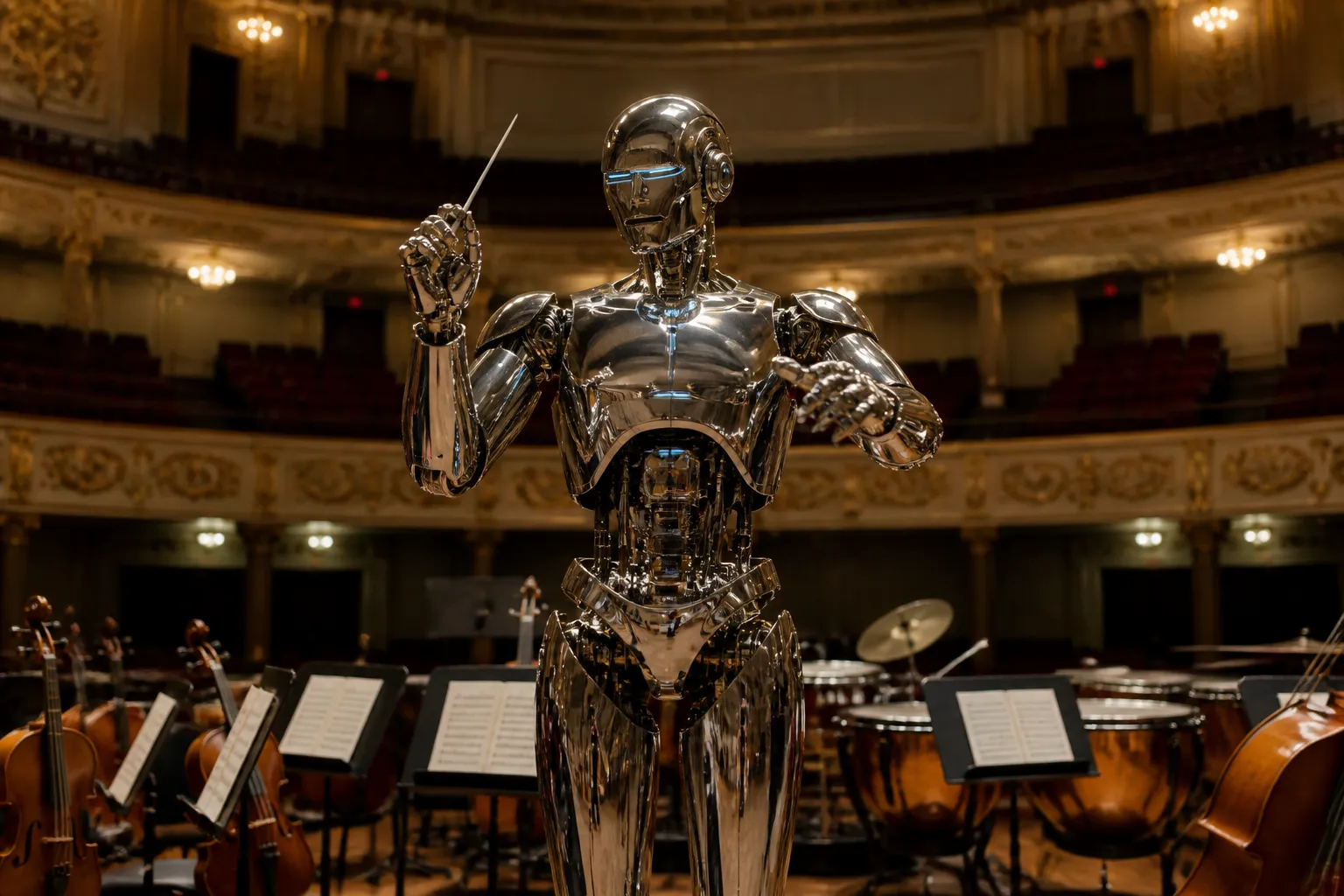
On a balmy April evening in Hong Kong, the Hong Kong Baptist University (HKBU) Symphony Orchestra staged a performance that fused classical music with artificial intelligence. The event, held on 29 April 2026, saw Hanson Robotics’ humanoid robot Sophia take the stage as a soloist. She sang three original songs while the orchestra played accompaniment, a collaboration HKBU said was designed to prompt audiences to reflect on reality, existence, and embodiment.
Sophia’s debut in the public eye dates back to 2016, and since then she has appeared in a variety of media projects. In 2019 she starred in the short film SophiaWorld, released on Futurism.com. According to Hanson Robotics, the robot’s design was inspired by actress Audrey Hepburn and by the founder’s wife. Her appearance features a transparent skull and skin made from the company’s patented elastomer, Frubber, which mimics the texture of human skin.
The concert illustrates a broader trend of integrating humanoid robots into creative settings. The concept of the “uncanny valley” explains why some people feel uneasy around robots that look almost human but are not. For more than fifty years, researchers have argued that the closer a robot’s appearance is to a human, the more likely it is to elicit a negative emotional response. Recent studies suggest that the exact point at which a robot’s likeness becomes uncomfortable is not fixed and may shift as people become more familiar with humanoid machines.
Other examples of advanced humanoid robots appear in recent Chinese media. A video released by China Media Group in 2026 showed robots performing dance routines, martial arts, and backflips during the Spring Festival Gala. The same year, robotics company DroidUp introduced Moya, a biomimetic AI robot that features layered skin, micro‑facial movements, and a warm body temperature. These developments demonstrate progress in three key areas that influence human comfort with robots: gait, appearance, and communication.
Despite these high‑profile demonstrations, many consumers still interact with smaller, less sophisticated robots. Products sold on Amazon include plant‑care assistants, chess‑playing companions, soccer‑playing bots, and drawing tutors. While these devices do not match Sophia’s level of realism, their approachable designs may help people acclimate to the presence of robots in everyday life.
The HKBU concert represents a milestone at the intersection of artificial intelligence and live performance. It also underscores the ongoing debate about how society will adapt to increasingly human‑like machines. As researchers refine robotic appearance and behavior, the line between uncanny and familiar may shift, potentially easing public apprehension.
Today’s state of humanoid robotics shows steady progress in both technical capability and public engagement. Upcoming events—such as additional performances by Sophia and other humanoid robots—are expected to provide further insight into how these machines will be received in cultural contexts. Meanwhile, industry observers will continue to monitor developments in skin materials, motor control, and AI communication that could influence the future trajectory of humanoid design.
Sophia’s debut in the public eye dates back to 2016, and since then she has appeared in a variety of media projects. In 2019 she starred in the short film SophiaWorld, released on Futurism.com. According to Hanson Robotics, the robot’s design was inspired by actress Audrey Hepburn and by the founder’s wife. Her appearance features a transparent skull and skin made from the company’s patented elastomer, Frubber, which mimics the texture of human skin.
The concert illustrates a broader trend of integrating humanoid robots into creative settings. The concept of the “uncanny valley” explains why some people feel uneasy around robots that look almost human but are not. For more than fifty years, researchers have argued that the closer a robot’s appearance is to a human, the more likely it is to elicit a negative emotional response. Recent studies suggest that the exact point at which a robot’s likeness becomes uncomfortable is not fixed and may shift as people become more familiar with humanoid machines.
Other examples of advanced humanoid robots appear in recent Chinese media. A video released by China Media Group in 2026 showed robots performing dance routines, martial arts, and backflips during the Spring Festival Gala. The same year, robotics company DroidUp introduced Moya, a biomimetic AI robot that features layered skin, micro‑facial movements, and a warm body temperature. These developments demonstrate progress in three key areas that influence human comfort with robots: gait, appearance, and communication.
Despite these high‑profile demonstrations, many consumers still interact with smaller, less sophisticated robots. Products sold on Amazon include plant‑care assistants, chess‑playing companions, soccer‑playing bots, and drawing tutors. While these devices do not match Sophia’s level of realism, their approachable designs may help people acclimate to the presence of robots in everyday life.
The HKBU concert represents a milestone at the intersection of artificial intelligence and live performance. It also underscores the ongoing debate about how society will adapt to increasingly human‑like machines. As researchers refine robotic appearance and behavior, the line between uncanny and familiar may shift, potentially easing public apprehension.
Today’s state of humanoid robotics shows steady progress in both technical capability and public engagement. Upcoming events—such as additional performances by Sophia and other humanoid robots—are expected to provide further insight into how these machines will be received in cultural contexts. Meanwhile, industry observers will continue to monitor developments in skin materials, motor control, and AI communication that could influence the future trajectory of humanoid design.