Blab Tech
Oak Ridge National Laboratory Opens 21,000-Square-Foot Facility to Strengthen U.S. Nuclear Safeguards
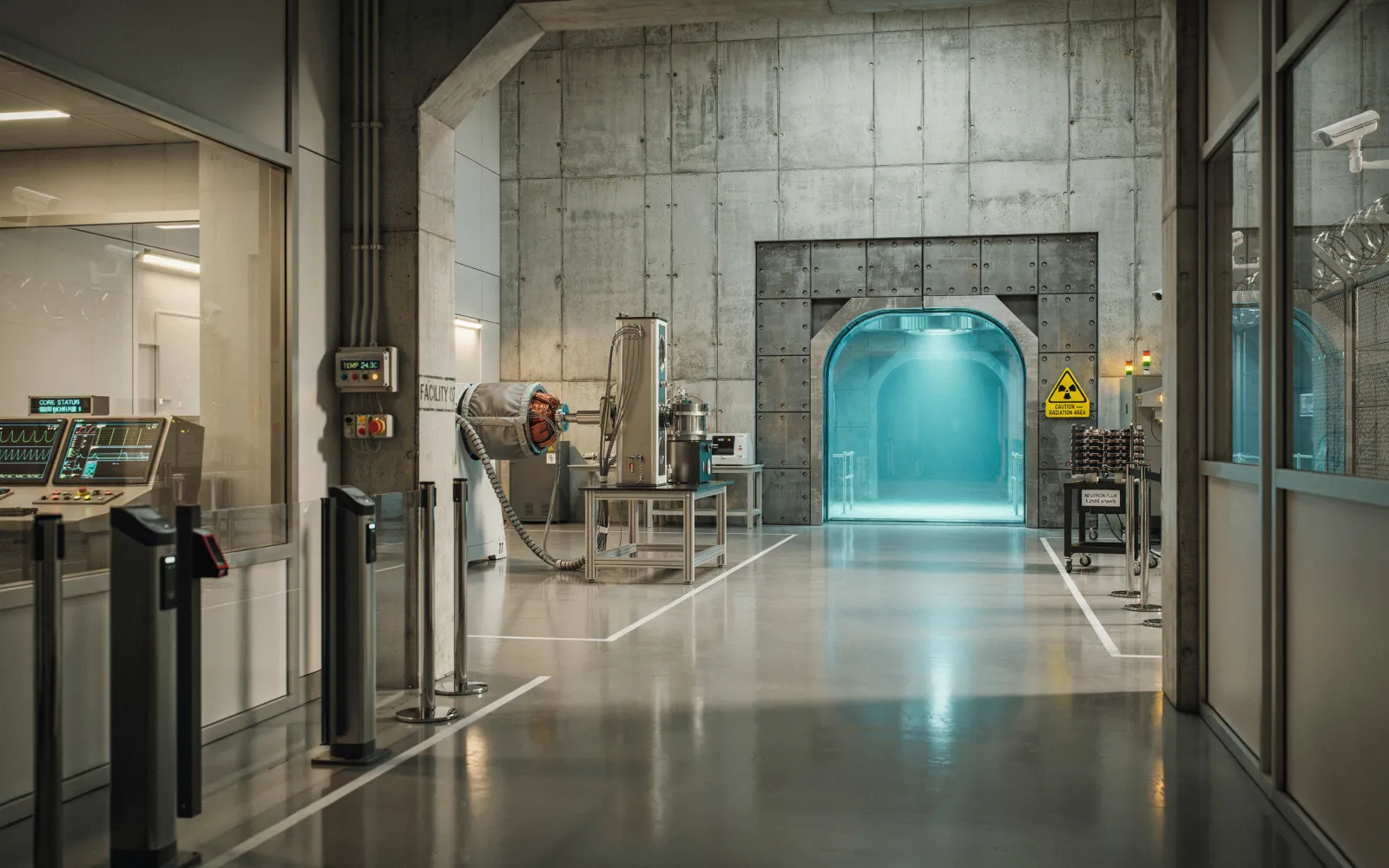
A new 21,000‑square‑foot research complex has been inaugurated at the Oak Ridge National Laboratory (ORNL) in Tennessee, a move that the Department of Energy (DOE) says will help the United States guard against nuclear proliferation while advancing clean‑energy technology.
The facility, described by the DOE as “state‑of‑the‑art,” is located within ORNL’s existing campus and is intended to support the National Nuclear Security Administration (NNSA) in detecting and preventing the diversion of nuclear materials. The laboratory, managed by the partnership UT‑Battelle, has long been a hub for nuclear science, operating since the Manhattan Project and now hosting research that ranges from reactor physics to materials science.
According to the DOE announcement, the new complex will house advanced sensors, data‑analysis platforms, and simulation tools that can identify unusual signatures in nuclear material handling. The goal is to provide real‑time monitoring of facilities that produce or process fissile material, thereby enabling earlier detection of illicit diversion. The design also incorporates elements that support the DOE’s broader clean‑energy agenda, including research into next‑generation reactor concepts.
Nuclear proliferation remains a central concern for U.S. security policy. The NPT, which the United States ratified in 1970, obligates signatories to prevent the spread of nuclear weapons. In recent years, the U.S. has intensified efforts to monitor facilities in countries that have pursued nuclear programs, such as Iran and North Korea. The new ORNL facility is part of that strategy, complementing existing safeguards at sites like Pantex, the primary U.S. nuclear weapons assembly and disassembly complex, and the Natanz facility in Iran, which the International Atomic Energy Agency (IAEA) has inspected.
The research team at ORNL will build on work conducted by the Pacific Northwest National Laboratory (PNNL), which has published studies on detecting diversion of nuclear materials through artificial‑reasoning algorithms. By integrating similar analytical techniques with high‑resolution sensor data, the ORNL facility aims to improve the accuracy of threat detection and reduce false positives.
From an industry perspective, the new complex represents a significant investment in nuclear security infrastructure. It aligns with the DOE’s mission to maintain the safety, security, and reliability of the U.S. nuclear weapons stockpile while also supporting the country’s clean‑energy goals. The facility’s dual focus on safeguards and energy research reflects a broader trend in which nuclear laboratories pursue both defensive and civilian applications.
The project was announced by the DOE in a press release issued last week, and construction began shortly after the groundbreaking ceremony. The laboratory’s leadership indicated that the facility will be operational in the next 12 to 18 months, pending final testing and certification. No specific funding figures were disclosed, but the DOE noted that the investment is part of a larger budget that includes support for stockpile stewardship and advanced reactor development.
In the coming months, the new complex will undergo a series of validation tests, including simulated diversion scenarios and sensor calibration exercises. The results will be shared with the NNSA and the IAEA to demonstrate the facility’s capabilities. The DOE has also indicated that the facility will serve as a training site for personnel involved in nuclear safeguards and security.
The opening of the 21,000‑square‑foot complex underscores the United States’ continued commitment to preventing nuclear proliferation while advancing its nuclear energy research agenda. As global tensions over nuclear programs persist, the facility will provide a critical tool for early detection and deterrence.
The facility, described by the DOE as “state‑of‑the‑art,” is located within ORNL’s existing campus and is intended to support the National Nuclear Security Administration (NNSA) in detecting and preventing the diversion of nuclear materials. The laboratory, managed by the partnership UT‑Battelle, has long been a hub for nuclear science, operating since the Manhattan Project and now hosting research that ranges from reactor physics to materials science.
According to the DOE announcement, the new complex will house advanced sensors, data‑analysis platforms, and simulation tools that can identify unusual signatures in nuclear material handling. The goal is to provide real‑time monitoring of facilities that produce or process fissile material, thereby enabling earlier detection of illicit diversion. The design also incorporates elements that support the DOE’s broader clean‑energy agenda, including research into next‑generation reactor concepts.
Nuclear proliferation remains a central concern for U.S. security policy. The NPT, which the United States ratified in 1970, obligates signatories to prevent the spread of nuclear weapons. In recent years, the U.S. has intensified efforts to monitor facilities in countries that have pursued nuclear programs, such as Iran and North Korea. The new ORNL facility is part of that strategy, complementing existing safeguards at sites like Pantex, the primary U.S. nuclear weapons assembly and disassembly complex, and the Natanz facility in Iran, which the International Atomic Energy Agency (IAEA) has inspected.
The research team at ORNL will build on work conducted by the Pacific Northwest National Laboratory (PNNL), which has published studies on detecting diversion of nuclear materials through artificial‑reasoning algorithms. By integrating similar analytical techniques with high‑resolution sensor data, the ORNL facility aims to improve the accuracy of threat detection and reduce false positives.
From an industry perspective, the new complex represents a significant investment in nuclear security infrastructure. It aligns with the DOE’s mission to maintain the safety, security, and reliability of the U.S. nuclear weapons stockpile while also supporting the country’s clean‑energy goals. The facility’s dual focus on safeguards and energy research reflects a broader trend in which nuclear laboratories pursue both defensive and civilian applications.
The project was announced by the DOE in a press release issued last week, and construction began shortly after the groundbreaking ceremony. The laboratory’s leadership indicated that the facility will be operational in the next 12 to 18 months, pending final testing and certification. No specific funding figures were disclosed, but the DOE noted that the investment is part of a larger budget that includes support for stockpile stewardship and advanced reactor development.
In the coming months, the new complex will undergo a series of validation tests, including simulated diversion scenarios and sensor calibration exercises. The results will be shared with the NNSA and the IAEA to demonstrate the facility’s capabilities. The DOE has also indicated that the facility will serve as a training site for personnel involved in nuclear safeguards and security.
The opening of the 21,000‑square‑foot complex underscores the United States’ continued commitment to preventing nuclear proliferation while advancing its nuclear energy research agenda. As global tensions over nuclear programs persist, the facility will provide a critical tool for early detection and deterrence.