Blab Tech
Verizon CEO Says AI Will Replace Large Portion of Customer Service, Citing 1,280-Basis-Point Satisfaction Gain
In a San Francisco briefing for Bloomberg Tech, Verizon Communications CEO Dan Schulman revealed that artificial intelligence will replace a large percentage of the company’s customer‑service workforce. Schulman said the shift is inevitable and will sharpen Verizon’s ability to satisfy customers.
The remarks come as Schulman has been steering Verizon toward a customer‑experience focus since taking the helm in October. He explained that the carrier must stand out in a crowded wireless market by delivering fast, empathetic service both in stores and over the phone. Schulman said the goal is to make the end‑to‑end experience “very hard to imitate” and to improve it incrementally each month.
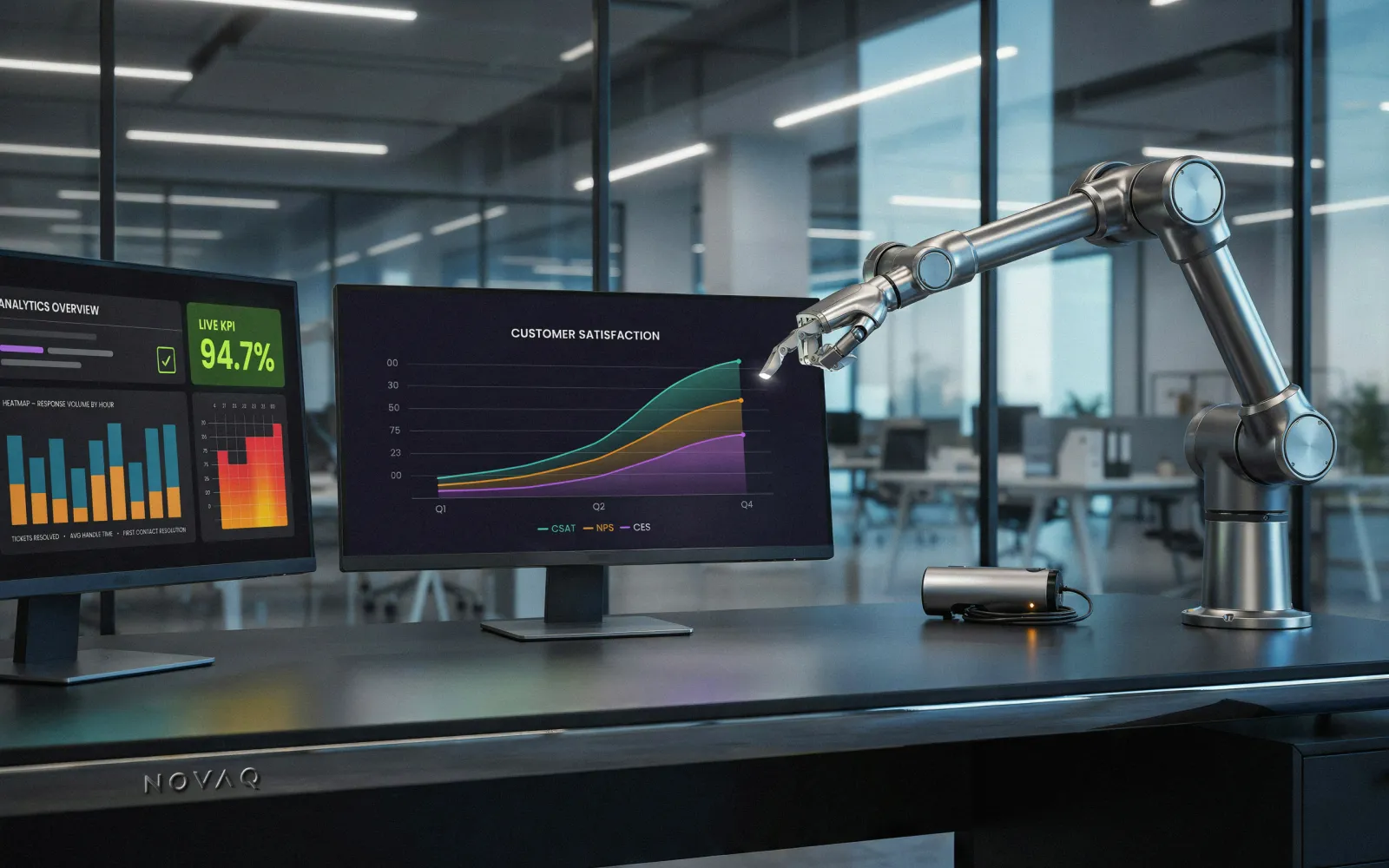
To reach that goal, Verizon is deploying AI agents that can handle routine inquiries. Schulman noted that the company has been experimenting with agents that replace some human representatives. He highlighted that the agents’ customer‑satisfaction score is 1,280 basis points higher than the score achieved by human agents before the rollout.
The CEO also discussed the broader impact of AI on the workforce. According to Schulman, many aspects of customer support will become automated. He said the “rote stuff can be done by agents, more complex stuff is a combination of an agent and a human working hand in hand.” Schulman added that AI will dramatically improve Verizon’s ability to satisfy customers.
Schulman’s comments echo a recent Forrester study that projects a 50‑percent reduction in customer‑service jobs by 2030. Max Ball, a Forrester analyst, told CX Dive that automation will become more sophisticated over time, leading to a decline in the number of human agents. Ball added that the remaining customer‑facing roles will focus on complex and sensitive matters.
The study also points to a new class of jobs: AI specialists who train the systems, clean data, and write procedures for the AI to follow. According to Ball, these roles will grow as companies shift from humans looking up simple answers to humans teaching AI how to retrieve those answers.
Verizon’s current AI pilot is part of a larger strategy to use AI across the company. Schulman said the carrier can tailor its value proposition to the 300‑plus ways it can view a customer, thanks to AI’s ability to ingest and analyze large amounts of data.
The company’s focus on customer experience aligns with its broader goal of regaining market share. Schulman said that the speed and empathy of service are key differentiators that are difficult for competitors to copy.
While the company reports a significant improvement in satisfaction scores, the long‑term impact on the workforce remains to be seen. Forrester’s forecast suggests that the number of customer‑service positions will shrink, but new roles will emerge to support the AI systems.
Verizon has not yet announced a timeline for full deployment of AI agents across all customer‑service channels. The company also has not disclosed how many positions will be affected or how it will manage the transition for employees.
The CEO’s comments underscore a broader trend in the telecom industry, where carriers are increasingly turning to AI to streamline operations and enhance customer interactions. As Verizon moves forward, regulators, employees, and customers will watch how the company balances automation with the human touch.
The company’s next steps will likely involve scaling the AI pilot, measuring its impact on customer satisfaction and operational costs, and addressing workforce implications. Verizon’s leadership has signaled that it will continue to invest in AI as a core part of its strategy to improve service quality and maintain a competitive edge.
The situation remains fluid, with Verizon yet to release detailed plans on workforce changes or the full scope of its AI deployment. Stakeholders will need to monitor the company’s progress and any regulatory or labor‑market responses that may arise as the transition unfolds.
The remarks come as Schulman has been steering Verizon toward a customer‑experience focus since taking the helm in October. He explained that the carrier must stand out in a crowded wireless market by delivering fast, empathetic service both in stores and over the phone. Schulman said the goal is to make the end‑to‑end experience “very hard to imitate” and to improve it incrementally each month.
To reach that goal, Verizon is deploying AI agents that can handle routine inquiries. Schulman noted that the company has been experimenting with agents that replace some human representatives. He highlighted that the agents’ customer‑satisfaction score is 1,280 basis points higher than the score achieved by human agents before the rollout.
The CEO also discussed the broader impact of AI on the workforce. According to Schulman, many aspects of customer support will become automated. He said the “rote stuff can be done by agents, more complex stuff is a combination of an agent and a human working hand in hand.” Schulman added that AI will dramatically improve Verizon’s ability to satisfy customers.
Schulman’s comments echo a recent Forrester study that projects a 50‑percent reduction in customer‑service jobs by 2030. Max Ball, a Forrester analyst, told CX Dive that automation will become more sophisticated over time, leading to a decline in the number of human agents. Ball added that the remaining customer‑facing roles will focus on complex and sensitive matters.
The study also points to a new class of jobs: AI specialists who train the systems, clean data, and write procedures for the AI to follow. According to Ball, these roles will grow as companies shift from humans looking up simple answers to humans teaching AI how to retrieve those answers.
Verizon’s current AI pilot is part of a larger strategy to use AI across the company. Schulman said the carrier can tailor its value proposition to the 300‑plus ways it can view a customer, thanks to AI’s ability to ingest and analyze large amounts of data.
The company’s focus on customer experience aligns with its broader goal of regaining market share. Schulman said that the speed and empathy of service are key differentiators that are difficult for competitors to copy.
While the company reports a significant improvement in satisfaction scores, the long‑term impact on the workforce remains to be seen. Forrester’s forecast suggests that the number of customer‑service positions will shrink, but new roles will emerge to support the AI systems.
Verizon has not yet announced a timeline for full deployment of AI agents across all customer‑service channels. The company also has not disclosed how many positions will be affected or how it will manage the transition for employees.
The CEO’s comments underscore a broader trend in the telecom industry, where carriers are increasingly turning to AI to streamline operations and enhance customer interactions. As Verizon moves forward, regulators, employees, and customers will watch how the company balances automation with the human touch.
The company’s next steps will likely involve scaling the AI pilot, measuring its impact on customer satisfaction and operational costs, and addressing workforce implications. Verizon’s leadership has signaled that it will continue to invest in AI as a core part of its strategy to improve service quality and maintain a competitive edge.
The situation remains fluid, with Verizon yet to release detailed plans on workforce changes or the full scope of its AI deployment. Stakeholders will need to monitor the company’s progress and any regulatory or labor‑market responses that may arise as the transition unfolds.