Blab Tech
Illinois GOP Candidate Criticizes Flock Safetys License-Plate Reader Amid State-Level Privacy Concerns
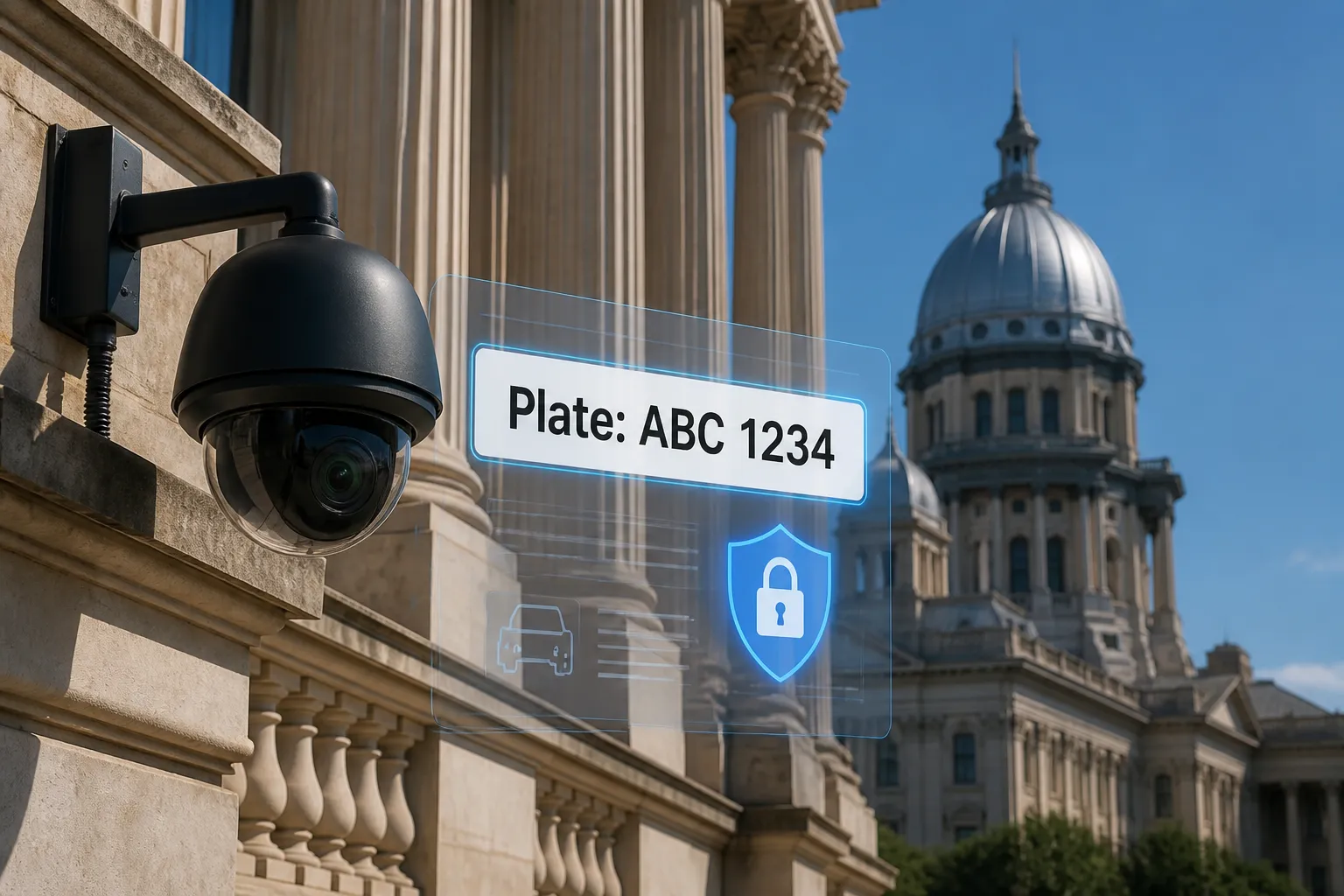
On July 9, Illinois Republican gubernatorial candidate Darren Bailey took to Facebook to brand Flock Safety’s automated license‑plate reader (ALPR) system a "mass surveillance network." Bailey warned that the state should not monitor the daily movements of law‑abiding citizens without individualized suspicion or a warrant, adding that he is not opposed to law‑enforcement agencies using technology when it serves public safety.
The next day, the Illinois Association of Chiefs of Police (ILACP) issued a counterstatement, defending the technology as "one of the most effective investigative tools available to Illinois law‑enforcement agencies." ILACP clarified that Flock or similar ALPRs capture only rear license plates, do not employ facial‑recognition software, do not monitor private spaces, and do not collect personal data. The association highlighted that the cameras have assisted investigations in homicides, drive‑by shootings, and child abductions.
Flock Safety, headquartered in Illinois, operates the nation’s largest ALPR network. A 2025 audit conducted by Secretary of State Alexi Giannoulias revealed that the company had granted U.S. Customs and Border Protection (CBP) access to Illinois license‑plate cameras, enabling federal surveillance of drivers on state roads. The audit, released in August 2025, found that the arrangement violated state law and prompted the Secretary of State to order Flock Safety to block CBP access.
The audit also noted that the company’s cameras store images for 30 days in a proprietary database. While the system captures only vehicle plates, the data can be used to track vehicle movements across the state. In the same year, the cities of Evanston and Oak Park terminated their contracts with Flock Safety amid the investigation.
The ILACP’s defense of ALPR technology reflects a broader debate over privacy and public safety. Supporters argue that ALPRs provide law‑enforcement agencies with rapid, automated access to vehicle information that can help solve serious crimes. Critics, including Bailey, contend that the technology can facilitate mass surveillance without sufficient oversight.
Adding a layer of public transparency, an open‑source project called DeFlock offers a map of ALPR cameras in Illinois, allowing residents to see where cameras are installed. The map is maintained by community volunteers and is updated regularly.
The ILACP announced a training conference for state and local law‑enforcement leaders scheduled for April 29‑May 1, 2026, at the Crowne Plaza in Springfield. The conference will address best practices for using ALPR technology, data security, and compliance with state and federal privacy laws.
The controversy has drawn attention from civil‑rights groups. The American Civil Liberties Union of Illinois has expressed concerns about the potential for misidentification and the lack of clear limits on data retention. The ACLU has called for stricter oversight of ALPR deployments.
Flock Safety’s response to the audit and the ILACP’s statements has not been publicly disclosed. The company’s website describes its technology as a "real‑time vehicle‑tracking solution" that assists law‑enforcement agencies in investigations.
The debate over ALPRs in Illinois illustrates the tension between public‑safety benefits and privacy protections. While the technology has demonstrable investigative value, state officials and privacy advocates are demanding clearer rules on data access, retention, and use. The outcome of the audit’s findings and the upcoming ILACP conference may shape how Illinois agencies deploy and regulate license‑plate readers in the coming months.
At present, Illinois law‑enforcement agencies continue to use Flock Safety’s system under existing contracts, but the state has taken steps to limit federal access and to increase transparency about where cameras are installed. The legal and policy implications of the audit and the public debate are still unfolding, and further regulatory actions or court decisions could alter the use of ALPR technology statewide.
The next day, the Illinois Association of Chiefs of Police (ILACP) issued a counterstatement, defending the technology as "one of the most effective investigative tools available to Illinois law‑enforcement agencies." ILACP clarified that Flock or similar ALPRs capture only rear license plates, do not employ facial‑recognition software, do not monitor private spaces, and do not collect personal data. The association highlighted that the cameras have assisted investigations in homicides, drive‑by shootings, and child abductions.
Flock Safety, headquartered in Illinois, operates the nation’s largest ALPR network. A 2025 audit conducted by Secretary of State Alexi Giannoulias revealed that the company had granted U.S. Customs and Border Protection (CBP) access to Illinois license‑plate cameras, enabling federal surveillance of drivers on state roads. The audit, released in August 2025, found that the arrangement violated state law and prompted the Secretary of State to order Flock Safety to block CBP access.
The audit also noted that the company’s cameras store images for 30 days in a proprietary database. While the system captures only vehicle plates, the data can be used to track vehicle movements across the state. In the same year, the cities of Evanston and Oak Park terminated their contracts with Flock Safety amid the investigation.
The ILACP’s defense of ALPR technology reflects a broader debate over privacy and public safety. Supporters argue that ALPRs provide law‑enforcement agencies with rapid, automated access to vehicle information that can help solve serious crimes. Critics, including Bailey, contend that the technology can facilitate mass surveillance without sufficient oversight.
Adding a layer of public transparency, an open‑source project called DeFlock offers a map of ALPR cameras in Illinois, allowing residents to see where cameras are installed. The map is maintained by community volunteers and is updated regularly.
The ILACP announced a training conference for state and local law‑enforcement leaders scheduled for April 29‑May 1, 2026, at the Crowne Plaza in Springfield. The conference will address best practices for using ALPR technology, data security, and compliance with state and federal privacy laws.
The controversy has drawn attention from civil‑rights groups. The American Civil Liberties Union of Illinois has expressed concerns about the potential for misidentification and the lack of clear limits on data retention. The ACLU has called for stricter oversight of ALPR deployments.
Flock Safety’s response to the audit and the ILACP’s statements has not been publicly disclosed. The company’s website describes its technology as a "real‑time vehicle‑tracking solution" that assists law‑enforcement agencies in investigations.
The debate over ALPRs in Illinois illustrates the tension between public‑safety benefits and privacy protections. While the technology has demonstrable investigative value, state officials and privacy advocates are demanding clearer rules on data access, retention, and use. The outcome of the audit’s findings and the upcoming ILACP conference may shape how Illinois agencies deploy and regulate license‑plate readers in the coming months.
At present, Illinois law‑enforcement agencies continue to use Flock Safety’s system under existing contracts, but the state has taken steps to limit federal access and to increase transparency about where cameras are installed. The legal and policy implications of the audit and the public debate are still unfolding, and further regulatory actions or court decisions could alter the use of ALPR technology statewide.








