Blab Tech
Insulet Reports Strong Clinical Results for Next-Generation Omnipod 6 and Closed-Loop System at ADA Conference
Insulet Corporation (NASDAQ: PODD) announced on June 6, 2026 that two clinical studies—STRIVE and EVOLUTION 3—have produced promising results for its upcoming Omnipod 6 automated insulin delivery (AID) system and a fully closed‑loop (FCL) solution for adults with type 2 diabetes. The data were presented at the American Diabetes Association’s 86th Scientific Sessions in New Orleans.
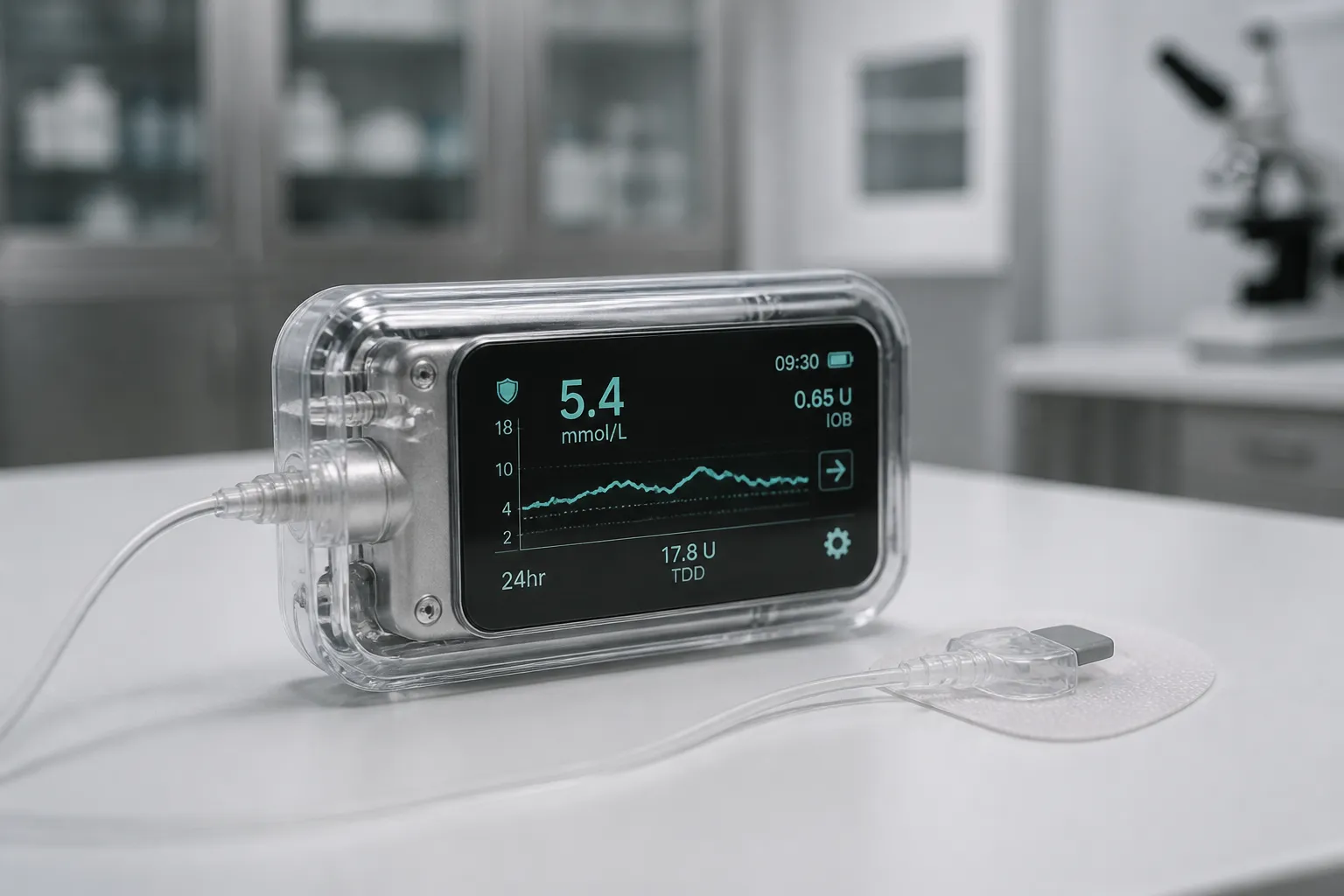
The STRIVE pivotal trial evaluated Omnipod 6, a tubeless patch pump that integrates a continuous glucose monitor (CGM) with an insulin‑delivery algorithm. According to the company’s release, the study showed strong glycemic outcomes across multiple age groups and diabetes types. Participants experienced a 50 % increase in automated insulin delivery while the number of manual boluses fell. The trial also reported improved responsiveness to hyperglycemia, indicating that the system can better manage rapid rises in blood glucose.
EVOLUTION 3 focused on a fully closed‑loop system designed specifically for type 2 diabetes. The feasibility study demonstrated that the system could automatically adjust insulin levels without requiring users to set basal rates or enter carbohydrate information. The company said the results suggest the technology could simplify clinical workflows and remove traditional barriers to care for people with type 2 diabetes.
Insulet’s statements place these findings within a broader innovation strategy that prioritizes devices requiring less daily effort while improving health outcomes. The company has positioned the Omnipod 6 as the next step after its earlier Omnipod 5 system, which was approved for use in 2020 and has been marketed as a tubeless insulin pump that can be paired with Dexcom, Abbott, or Medtronic CGMs.
Regulatory context remains that both Omnipod 6 and the FCL system are investigational devices. They have not yet received U.S. Food and Drug Administration approval. Insulet indicated that the STRIVE data support a regulatory submission for Omnipod 6, while the EVOLUTION 3 results will inform future submissions for the type 2 closed‑loop system.
The clinical data are significant for the diabetes technology market, where several companies are developing hybrid closed‑loop systems. By demonstrating a higher automated insulin delivery rate and reduced manual intervention, Insulet’s results may influence the competitive landscape and patient adoption. The company’s focus on a universal pod design that can work with multiple CGM brands also aligns with industry trends toward interoperability.
At the ADA conference, Insulet also highlighted ongoing patient enrollment for its EVOLVE trial, a pivotal study that will evaluate the fully closed‑loop system in a larger adult population with type 2 diabetes. The company’s CEO, Ashley McEvoy, noted that the company is working to bring the technology to market in the next few years.
In summary, Insulet’s June 6 announcement presents evidence that its next‑generation AID system can deliver more automated insulin and reduce the need for manual boluses, while its type 2 closed‑loop solution can adjust insulin automatically without user input. The company plans to submit regulatory applications for Omnipod 6 and the FCL system in the coming months. The next public update will likely come from the company’s quarterly earnings release or from the FDA’s review schedule. The broader impact on diabetes management will become clearer once the devices receive regulatory clearance and enter commercial distribution.
The STRIVE pivotal trial evaluated Omnipod 6, a tubeless patch pump that integrates a continuous glucose monitor (CGM) with an insulin‑delivery algorithm. According to the company’s release, the study showed strong glycemic outcomes across multiple age groups and diabetes types. Participants experienced a 50 % increase in automated insulin delivery while the number of manual boluses fell. The trial also reported improved responsiveness to hyperglycemia, indicating that the system can better manage rapid rises in blood glucose.
EVOLUTION 3 focused on a fully closed‑loop system designed specifically for type 2 diabetes. The feasibility study demonstrated that the system could automatically adjust insulin levels without requiring users to set basal rates or enter carbohydrate information. The company said the results suggest the technology could simplify clinical workflows and remove traditional barriers to care for people with type 2 diabetes.
Insulet’s statements place these findings within a broader innovation strategy that prioritizes devices requiring less daily effort while improving health outcomes. The company has positioned the Omnipod 6 as the next step after its earlier Omnipod 5 system, which was approved for use in 2020 and has been marketed as a tubeless insulin pump that can be paired with Dexcom, Abbott, or Medtronic CGMs.
Regulatory context remains that both Omnipod 6 and the FCL system are investigational devices. They have not yet received U.S. Food and Drug Administration approval. Insulet indicated that the STRIVE data support a regulatory submission for Omnipod 6, while the EVOLUTION 3 results will inform future submissions for the type 2 closed‑loop system.
The clinical data are significant for the diabetes technology market, where several companies are developing hybrid closed‑loop systems. By demonstrating a higher automated insulin delivery rate and reduced manual intervention, Insulet’s results may influence the competitive landscape and patient adoption. The company’s focus on a universal pod design that can work with multiple CGM brands also aligns with industry trends toward interoperability.
At the ADA conference, Insulet also highlighted ongoing patient enrollment for its EVOLVE trial, a pivotal study that will evaluate the fully closed‑loop system in a larger adult population with type 2 diabetes. The company’s CEO, Ashley McEvoy, noted that the company is working to bring the technology to market in the next few years.
In summary, Insulet’s June 6 announcement presents evidence that its next‑generation AID system can deliver more automated insulin and reduce the need for manual boluses, while its type 2 closed‑loop solution can adjust insulin automatically without user input. The company plans to submit regulatory applications for Omnipod 6 and the FCL system in the coming months. The next public update will likely come from the company’s quarterly earnings release or from the FDA’s review schedule. The broader impact on diabetes management will become clearer once the devices receive regulatory clearance and enter commercial distribution.








