Blab Tech
STAK Inc. Forms U.S. Subsidiary to Offer Modular Gas-Powered Generators for AI Data Centers
STAK Inc., a Chinese company that designs and manufactures oilfield‑specialized production and maintenance equipment, announced on June 9 2026 that it has signed a memorandum of understanding to create a majority‑owned U.S. subsidiary. The new entity will develop, market and commercialise a line of modular gas‑to‑electricity generation systems aimed at the growing power needs of artificial‑intelligence (AI) data centres and other energy‑intensive applications across North America. The subsidiary is planned to be incorporated in Delaware and operate through a wholly‑owned Texas entity. STAK will hold a 60 % equity stake and will consolidate the subsidiary’s financial results. The company will oversee all sales, branding and capital‑markets activities for the subsidiary, which will operate under STAK’s strategic direction.
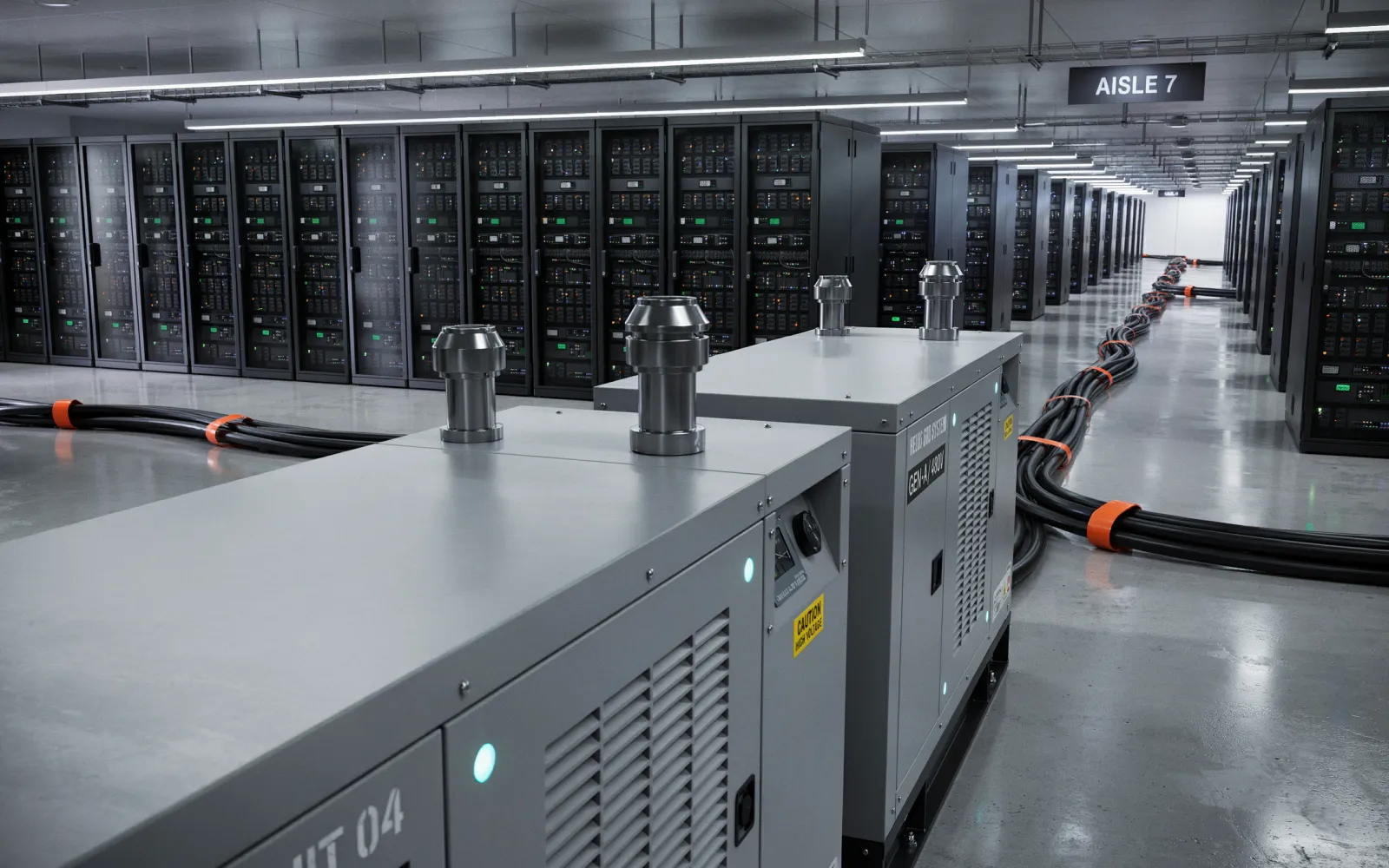
The subsidiary’s flagship product is a modular gas‑powered generation unit that can produce up to 1.4 megawatts of electrical output within a standard ISO‑compliant container footprint. The system is designed for rapid deployment and can be scaled from a single commercial facility to a large AI data‑centre campus. It is compatible with multiple gaseous fuels, including natural gas and associated gas, allowing flexible deployment across North America’s extensive fuel infrastructure. According to the company, the unit will seek U.S. Environmental Protection Agency (EPA) certification and any required state‑level environmental permits before commercial deployment. The subsidiary expects to begin deployment “in the near term,” pending the execution of definitive agreements and the satisfaction of customary closing conditions.
The announcement comes amid a broader trend of AI data‑centre operators seeking reliable, distributed power solutions. Major technology firms are projected to spend roughly $650 billion on AI data centres in 2026, and gas‑powered generators are a common choice for meeting the high power demands of these facilities. Modular, containerised units offer a quicker installation timeline and lower upfront capital compared with traditional power plants, and the 1.4 MW footprint can be stacked to meet larger capacity needs. The ability to use natural gas or associated gas also aligns with the U.S. energy mix, which includes abundant natural‑gas pipelines and associated‑gas capture from oil and gas operations.
From a regulatory perspective, the subsidiary will need to obtain EPA certification and relevant state permits before it can supply power to customers. The company’s background in oilfield equipment and automation may aid in meeting these requirements, as it already operates within regulated industrial environments. The memorandum of understanding is a preliminary step; definitive agreements and regulatory approvals are still pending. The subsidiary’s launch will likely follow once those conditions are met.
In summary, STAK Inc.’s move to establish a U.S. subsidiary focused on modular gas‑to‑electricity generation signals a diversification into energy infrastructure that could support the rapid expansion of AI data centres and other high‑power applications across North America. The company has not yet begun commercial deployment, and the subsidiary’s operations will depend on the completion of agreements and the acquisition of necessary environmental approvals. STAK’s announcement also highlights its intention to leverage its existing manufacturing capabilities in China to support the U.S. subsidiary’s production needs, potentially reducing lead times for the modular units.
The subsidiary’s flagship product is a modular gas‑powered generation unit that can produce up to 1.4 megawatts of electrical output within a standard ISO‑compliant container footprint. The system is designed for rapid deployment and can be scaled from a single commercial facility to a large AI data‑centre campus. It is compatible with multiple gaseous fuels, including natural gas and associated gas, allowing flexible deployment across North America’s extensive fuel infrastructure. According to the company, the unit will seek U.S. Environmental Protection Agency (EPA) certification and any required state‑level environmental permits before commercial deployment. The subsidiary expects to begin deployment “in the near term,” pending the execution of definitive agreements and the satisfaction of customary closing conditions.
The announcement comes amid a broader trend of AI data‑centre operators seeking reliable, distributed power solutions. Major technology firms are projected to spend roughly $650 billion on AI data centres in 2026, and gas‑powered generators are a common choice for meeting the high power demands of these facilities. Modular, containerised units offer a quicker installation timeline and lower upfront capital compared with traditional power plants, and the 1.4 MW footprint can be stacked to meet larger capacity needs. The ability to use natural gas or associated gas also aligns with the U.S. energy mix, which includes abundant natural‑gas pipelines and associated‑gas capture from oil and gas operations.
From a regulatory perspective, the subsidiary will need to obtain EPA certification and relevant state permits before it can supply power to customers. The company’s background in oilfield equipment and automation may aid in meeting these requirements, as it already operates within regulated industrial environments. The memorandum of understanding is a preliminary step; definitive agreements and regulatory approvals are still pending. The subsidiary’s launch will likely follow once those conditions are met.
In summary, STAK Inc.’s move to establish a U.S. subsidiary focused on modular gas‑to‑electricity generation signals a diversification into energy infrastructure that could support the rapid expansion of AI data centres and other high‑power applications across North America. The company has not yet begun commercial deployment, and the subsidiary’s operations will depend on the completion of agreements and the acquisition of necessary environmental approvals. STAK’s announcement also highlights its intention to leverage its existing manufacturing capabilities in China to support the U.S. subsidiary’s production needs, potentially reducing lead times for the modular units.