Blab Tech
Senator Schiff Proposes Human-Oversight Safeguards for Military AI in Upcoming NDAA
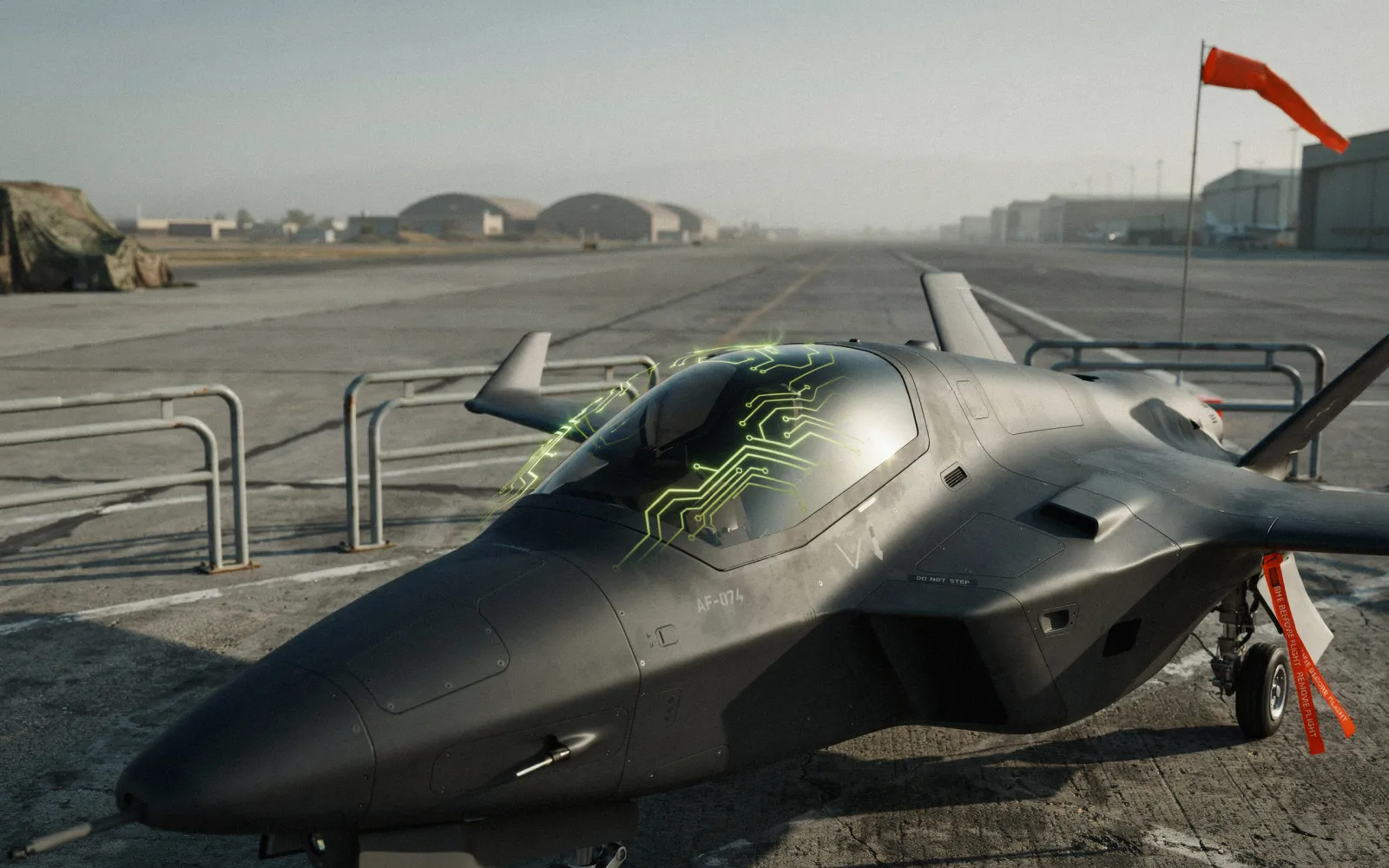
On Monday, June 8, 2026, California Democrat Senator Adam Schiff announced plans to introduce amendments to the National Defense Authorization Act (NDAA) that would require the Department of Defense to keep explicit human oversight in any military use of artificial intelligence. Schiff said the safeguards would stop the Pentagon from deploying fully autonomous weapons or using AI for mass surveillance without a human in the decision loop.
The initiative arrives amid a broader clash between the Trump administration and AI developers, most notably San Francisco‑based Anthropic. In March, Anthropic refused to grant the Pentagon unrestricted access to its Claude language models, citing concerns that the models could be used to develop lethal autonomous weapons. In response, the DoD labeled Anthropic a supply‑chain risk and banned all U.S. private‑military contractors from working with the company. The Trump administration, which has issued a directive urging federal agencies to accelerate AI deployment, has criticized the lack of regulatory guardrails.
Schiff’s proposal follows the administration’s March 20 executive order that established a national AI policy framework. The order encourages Congress to adopt a unified, innovation‑oriented regime that preempts state AI laws and promotes “light‑touch” federal oversight. Schiff argues that the current framework is insufficient to address the unique risks posed by military AI, especially the potential for autonomous systems to act without human authorization.
According to reports, the Senate Armed Services Committee will consider Schiff’s amendments during the NDAA drafting process. The amendments would codify a requirement that any AI system used for lethal force, surveillance, or other high‑consequence military operations must have a human operator who can intervene or override the system at any time.
Pentagon officials have resisted the push for additional restrictions. They maintain that existing military doctrines and operational protocols already ensure that human commanders retain ultimate authority over lethal force. The DoD has also stated that it will continue to evaluate AI tools for operational use, subject to safety testing and risk assessments.
The debate has drawn attention from both sides of the political spectrum. Some conservative analysts have suggested that Schiff’s announcement is a performative move aimed at capitalizing on public unease about AI weaponization. Meanwhile, AI safety advocates have praised the emphasis on human oversight, noting that the Anthropic dispute highlighted the need for contractual safeguards to prevent misuse of advanced models.
The NDAA is scheduled for final passage in the coming weeks, and the Senate Armed Services Committee will likely hold hearings on the proposed AI safeguards. The outcome of those hearings will determine whether the DoD will be required to adopt stricter oversight mechanisms.
At present, the DoD remains in a state of uncertainty regarding the deployment of AI systems. The Anthropic‑DoD dispute continues, with a federal judge issuing a temporary injunction against the DoD’s designation of Anthropic as a supply‑chain risk. The Trump administration’s AI policy framework remains in effect, but its interaction with the proposed NDAA amendments has yet to be clarified.
The next steps will involve congressional debate, potential amendments to the NDAA, and possible adjustments to the DoD’s procurement and deployment procedures for AI technologies. Until the NDAA is finalized, the legal and operational status of AI use in the U.S. military will remain unresolved.
The initiative arrives amid a broader clash between the Trump administration and AI developers, most notably San Francisco‑based Anthropic. In March, Anthropic refused to grant the Pentagon unrestricted access to its Claude language models, citing concerns that the models could be used to develop lethal autonomous weapons. In response, the DoD labeled Anthropic a supply‑chain risk and banned all U.S. private‑military contractors from working with the company. The Trump administration, which has issued a directive urging federal agencies to accelerate AI deployment, has criticized the lack of regulatory guardrails.
Schiff’s proposal follows the administration’s March 20 executive order that established a national AI policy framework. The order encourages Congress to adopt a unified, innovation‑oriented regime that preempts state AI laws and promotes “light‑touch” federal oversight. Schiff argues that the current framework is insufficient to address the unique risks posed by military AI, especially the potential for autonomous systems to act without human authorization.
According to reports, the Senate Armed Services Committee will consider Schiff’s amendments during the NDAA drafting process. The amendments would codify a requirement that any AI system used for lethal force, surveillance, or other high‑consequence military operations must have a human operator who can intervene or override the system at any time.
Pentagon officials have resisted the push for additional restrictions. They maintain that existing military doctrines and operational protocols already ensure that human commanders retain ultimate authority over lethal force. The DoD has also stated that it will continue to evaluate AI tools for operational use, subject to safety testing and risk assessments.
The debate has drawn attention from both sides of the political spectrum. Some conservative analysts have suggested that Schiff’s announcement is a performative move aimed at capitalizing on public unease about AI weaponization. Meanwhile, AI safety advocates have praised the emphasis on human oversight, noting that the Anthropic dispute highlighted the need for contractual safeguards to prevent misuse of advanced models.
The NDAA is scheduled for final passage in the coming weeks, and the Senate Armed Services Committee will likely hold hearings on the proposed AI safeguards. The outcome of those hearings will determine whether the DoD will be required to adopt stricter oversight mechanisms.
At present, the DoD remains in a state of uncertainty regarding the deployment of AI systems. The Anthropic‑DoD dispute continues, with a federal judge issuing a temporary injunction against the DoD’s designation of Anthropic as a supply‑chain risk. The Trump administration’s AI policy framework remains in effect, but its interaction with the proposed NDAA amendments has yet to be clarified.
The next steps will involve congressional debate, potential amendments to the NDAA, and possible adjustments to the DoD’s procurement and deployment procedures for AI technologies. Until the NDAA is finalized, the legal and operational status of AI use in the U.S. military will remain unresolved.