Blab Tech
Mexico Unveils Olinia Uno, First Home-Made Electric City Car
President Claudia Sheinbaum rolled the Olinia Uno prototype onto a stage inside a Mexican Air Force hangar near Mexico City on Sunday, announcing the country’s first electric‑vehicle product. The six‑passenger car, slated for sale next summer at 150,000 pesos (about $8,500), is the flagship of President Sheinbaum’s Plan México—a six‑year strategy that seeks to expand Mexico’s manufacturing base and lift the nation into the world’s top ten economies.
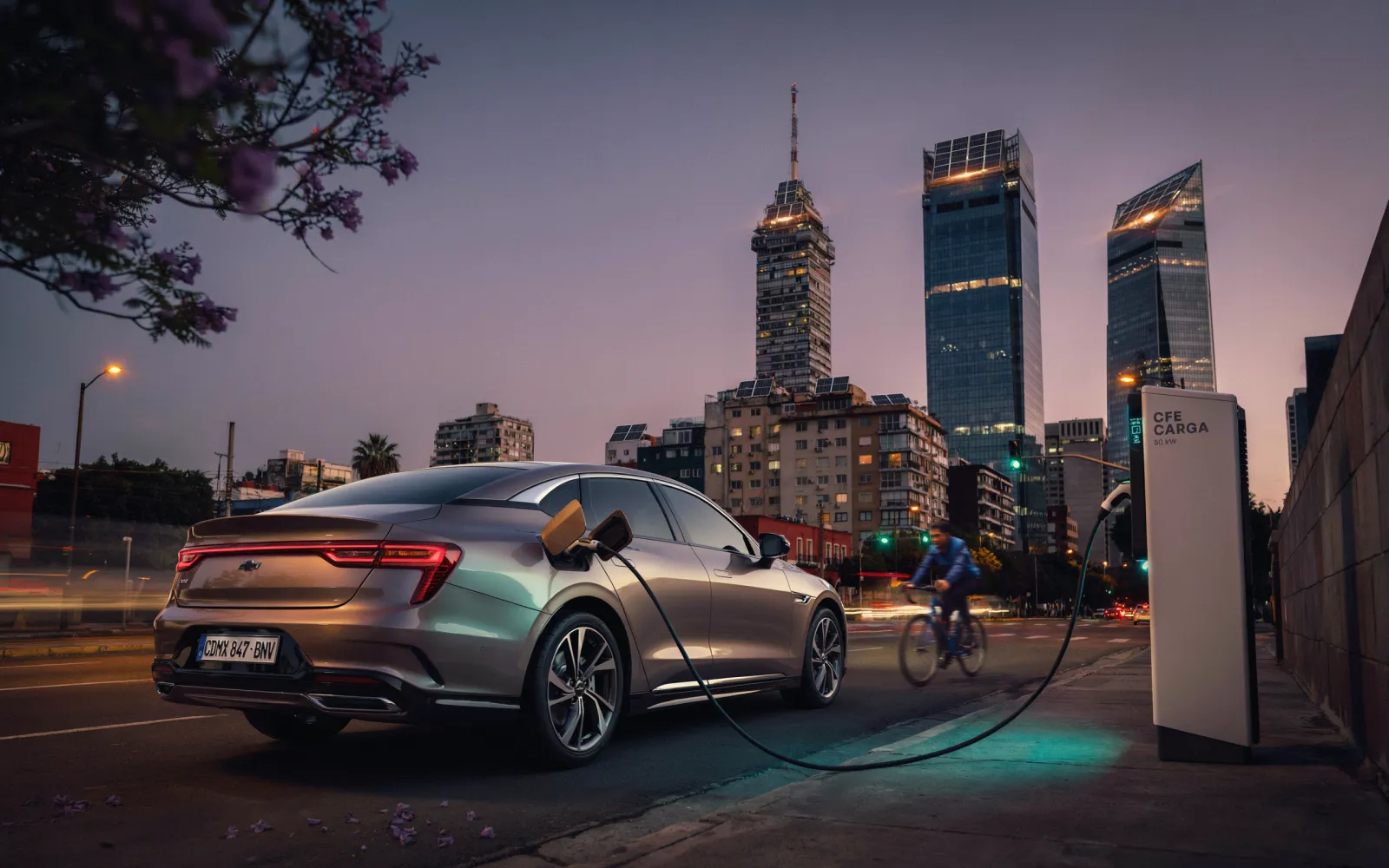
The Uno is engineered for urban streets. It can travel up to 125 kilometres (77 miles) on a single charge, tops out at 50 kilometres per hour (31 mph), and can accommodate a wheelchair. Its battery charges from a standard household outlet using a plug that resembles those on microwaves or refrigerators. According to a press release, the vehicle will be available for purchase next summer.
“Olinia represents much more than an electric car,” President Sheinbaum said at the unveiling. “It represents a seed, the seed of a new innovation ecosystem built from Mexico.” The project is already 50 % domestic‑materials‑based, with the goal of reaching 75 % by 2030, Rosaura Ruiz Gutiérrez, secretary of Science, Humanities, Technology and Innovation, explained. Project Olinia director Roberto Capuano Tripp added that the government plans to install 2,000 charging stations across Mexico City, the State of Mexico, and Puebla.
Plan México, announced in 2024, aims to boost the country’s economy and manufacturing sector, targeting a 15 % increase in Mexico’s role in global supply chains for industries such as automotive. The plan also includes creating jobs and expanding domestic production of key components for electric vehicles.
The Uno arrives as global EV adoption accelerates. In the United States, the Trump administration cancelled federal EV subsidies in 2025, prompting several automakers to rethink or scale back parts of their EV strategies. Chinese EV makers have surpassed American‑made models in charging speed and range, and Chinese vehicles are already being sold in Mexico. Canada announced a partnership earlier this year that could allow up to 49,000 Chinese‑made EVs to enter the Canadian market.
U.S. lawmakers are responding to the growing presence of Chinese EVs. Senators Elissa Slotkin and Rep. Haley Stevens recently introduced the Protecting America from Chinese Cars Act, which would ban connected cars built or designed in China, Russia, or Iran from entering the United States. Ford CEO Jim Farley has called for similar restrictions. In an interview on Fox & Friends, Farley said, “We should not let them into our country. Manufacturing is the heart and soul of our country, and for us to lose that to those exports would be devastating.” He added that preventing Chinese vehicles from entering the U.S. through Canada should be a key issue in upcoming trade negotiations.
It is unclear whether the Uno will face similar pushback once it goes on sale. The vehicle’s domestic production and modest price point may mitigate some concerns, but the U.S. has already imposed a 100 % tariff on Chinese EVs, and the Protecting America from Chinese Cars Act could extend to vehicles manufactured in Mexico if they are designed in China.
The Uno represents a significant step for Mexico’s domestic automotive industry, but its success will hinge on building a robust charging network, securing supply chains for battery components, and navigating the complex regulatory environment that governs cross‑border vehicle sales. The vehicle’s launch next summer will be closely watched by industry observers, policymakers, and potential consumers.
In the coming months, Mexico will need to finalize the infrastructure plan for the 2,000 charging stations, confirm the supply chain for battery materials, and secure any necessary approvals for the vehicle’s import and export. The U.S. legislative process around the Protecting America from Chinese Cars Act remains in early stages, and its eventual scope could affect the Uno’s ability to reach markets beyond Mexico.
The Uno’s unveiling marks the first public demonstration of a Mexican‑made electric vehicle. While the prototype’s specifications and price point suggest a focus on affordability and urban mobility, the broader implications for Mexico’s manufacturing ambitions and the international EV market remain to be seen.
The Uno is engineered for urban streets. It can travel up to 125 kilometres (77 miles) on a single charge, tops out at 50 kilometres per hour (31 mph), and can accommodate a wheelchair. Its battery charges from a standard household outlet using a plug that resembles those on microwaves or refrigerators. According to a press release, the vehicle will be available for purchase next summer.
“Olinia represents much more than an electric car,” President Sheinbaum said at the unveiling. “It represents a seed, the seed of a new innovation ecosystem built from Mexico.” The project is already 50 % domestic‑materials‑based, with the goal of reaching 75 % by 2030, Rosaura Ruiz Gutiérrez, secretary of Science, Humanities, Technology and Innovation, explained. Project Olinia director Roberto Capuano Tripp added that the government plans to install 2,000 charging stations across Mexico City, the State of Mexico, and Puebla.
Plan México, announced in 2024, aims to boost the country’s economy and manufacturing sector, targeting a 15 % increase in Mexico’s role in global supply chains for industries such as automotive. The plan also includes creating jobs and expanding domestic production of key components for electric vehicles.
The Uno arrives as global EV adoption accelerates. In the United States, the Trump administration cancelled federal EV subsidies in 2025, prompting several automakers to rethink or scale back parts of their EV strategies. Chinese EV makers have surpassed American‑made models in charging speed and range, and Chinese vehicles are already being sold in Mexico. Canada announced a partnership earlier this year that could allow up to 49,000 Chinese‑made EVs to enter the Canadian market.
U.S. lawmakers are responding to the growing presence of Chinese EVs. Senators Elissa Slotkin and Rep. Haley Stevens recently introduced the Protecting America from Chinese Cars Act, which would ban connected cars built or designed in China, Russia, or Iran from entering the United States. Ford CEO Jim Farley has called for similar restrictions. In an interview on Fox & Friends, Farley said, “We should not let them into our country. Manufacturing is the heart and soul of our country, and for us to lose that to those exports would be devastating.” He added that preventing Chinese vehicles from entering the U.S. through Canada should be a key issue in upcoming trade negotiations.
It is unclear whether the Uno will face similar pushback once it goes on sale. The vehicle’s domestic production and modest price point may mitigate some concerns, but the U.S. has already imposed a 100 % tariff on Chinese EVs, and the Protecting America from Chinese Cars Act could extend to vehicles manufactured in Mexico if they are designed in China.
The Uno represents a significant step for Mexico’s domestic automotive industry, but its success will hinge on building a robust charging network, securing supply chains for battery components, and navigating the complex regulatory environment that governs cross‑border vehicle sales. The vehicle’s launch next summer will be closely watched by industry observers, policymakers, and potential consumers.
In the coming months, Mexico will need to finalize the infrastructure plan for the 2,000 charging stations, confirm the supply chain for battery materials, and secure any necessary approvals for the vehicle’s import and export. The U.S. legislative process around the Protecting America from Chinese Cars Act remains in early stages, and its eventual scope could affect the Uno’s ability to reach markets beyond Mexico.
The Uno’s unveiling marks the first public demonstration of a Mexican‑made electric vehicle. While the prototype’s specifications and price point suggest a focus on affordability and urban mobility, the broader implications for Mexico’s manufacturing ambitions and the international EV market remain to be seen.