Blab Tech
Cash App Expands Checkout Options with Afterpay and Cash App Pay at New Retail Partners
On June 8, Block‑owned Cash App announced that a wave of new retailers has integrated its payment products—Afterpay and Cash App Pay—into their checkout pages, extending the app’s reach and giving shoppers a broader array of payment choices.
The release names 13 Afterpay merchants, including Dog Friendly Co, GlassesUSA, Herff Jones, Jaxxon, k2o by Kylie Jenner, Kat The Label, Minky Couture, Monday Swimwear, Nanit, Rally House, REDVANLY, Shokz, and WeWoreWhat. It also lists seven Cash App Pay partners: Instacart, Fubo, Lime, Sweetgreen, Made‑it Pro, Shoe Carnival & Shoe Station, and Squire.
Afterpay, a buy‑now‑pay‑later service, lets shoppers split purchases into fortnightly installments without interest. Block said the new integrations give merchants a “powerful set of tools” to meet shoppers wherever they are in the purchase journey, highlighting that Afterpay serves a distinct customer need compared to Cash App Pay.
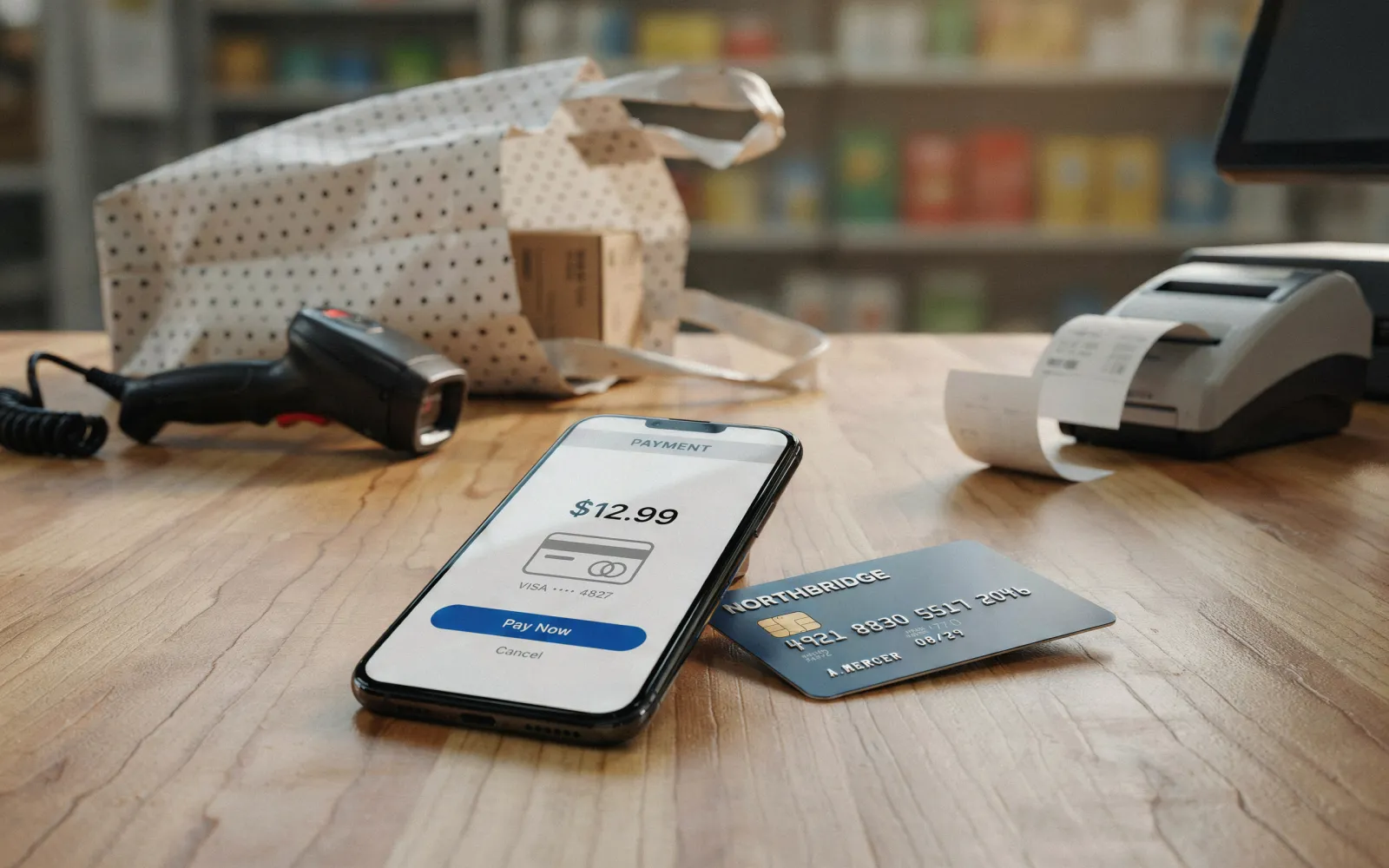
Cash App Pay, on the other hand, allows users to pay directly from their Cash App balance or a linked debit card. The same partners that now accept Cash App Pay also offer Afterpay, giving customers the option to choose between installment payments or a single‑transaction method.
On June 4, Cash App introduced the Cash App Wand, an NFC‑enabled physical payment accessory linked to the Cash App Visa Card. The Wand works wherever Visa tap‑to‑pay is accepted, letting users make contactless payments without pulling out their phone or card. The company described the Wand as the first example of a new product family called Cash App Tags, which will include additional NFC‑enabled accessories in the future.
A May 2026 PYMNTS Intelligence study found that 53% of Americans are cutting back on spending, yet that trend has not translated into higher use of buy‑now‑pay‑later tools. The research distinguished between “reactive” consumers—who cut spending and savings—and “proactive” consumers—who added income, negotiated bills, or used financial tools. Reactive consumers used BNPL at a rate of 8%, while proactive consumers used it at 48%, a six‑fold difference.
The expansion of payment options reflects a broader industry trend in which merchants offer multiple methods to capture different customer segments. By adding Afterpay and Cash App Pay, Cash App positions itself as a versatile payment platform that can serve both installment‑paying shoppers and those who prefer a single‑transaction approach. The company’s recent launch of the Wand and the planned rollout of additional Cash App Tags suggest a strategy to increase frictionless payment options across both online and in‑store environments.
As of the June 8 release, Cash App has added 13 Afterpay merchants and 7 Cash App Pay merchants, with several offering both services. The company has not announced any regulatory actions or court proceedings related to these integrations. Future updates will likely focus on monitoring consumer adoption, merchant feedback, and the performance of the new physical payment accessories.
The release names 13 Afterpay merchants, including Dog Friendly Co, GlassesUSA, Herff Jones, Jaxxon, k2o by Kylie Jenner, Kat The Label, Minky Couture, Monday Swimwear, Nanit, Rally House, REDVANLY, Shokz, and WeWoreWhat. It also lists seven Cash App Pay partners: Instacart, Fubo, Lime, Sweetgreen, Made‑it Pro, Shoe Carnival & Shoe Station, and Squire.
Afterpay, a buy‑now‑pay‑later service, lets shoppers split purchases into fortnightly installments without interest. Block said the new integrations give merchants a “powerful set of tools” to meet shoppers wherever they are in the purchase journey, highlighting that Afterpay serves a distinct customer need compared to Cash App Pay.
Cash App Pay, on the other hand, allows users to pay directly from their Cash App balance or a linked debit card. The same partners that now accept Cash App Pay also offer Afterpay, giving customers the option to choose between installment payments or a single‑transaction method.
On June 4, Cash App introduced the Cash App Wand, an NFC‑enabled physical payment accessory linked to the Cash App Visa Card. The Wand works wherever Visa tap‑to‑pay is accepted, letting users make contactless payments without pulling out their phone or card. The company described the Wand as the first example of a new product family called Cash App Tags, which will include additional NFC‑enabled accessories in the future.
A May 2026 PYMNTS Intelligence study found that 53% of Americans are cutting back on spending, yet that trend has not translated into higher use of buy‑now‑pay‑later tools. The research distinguished between “reactive” consumers—who cut spending and savings—and “proactive” consumers—who added income, negotiated bills, or used financial tools. Reactive consumers used BNPL at a rate of 8%, while proactive consumers used it at 48%, a six‑fold difference.
The expansion of payment options reflects a broader industry trend in which merchants offer multiple methods to capture different customer segments. By adding Afterpay and Cash App Pay, Cash App positions itself as a versatile payment platform that can serve both installment‑paying shoppers and those who prefer a single‑transaction approach. The company’s recent launch of the Wand and the planned rollout of additional Cash App Tags suggest a strategy to increase frictionless payment options across both online and in‑store environments.
As of the June 8 release, Cash App has added 13 Afterpay merchants and 7 Cash App Pay merchants, with several offering both services. The company has not announced any regulatory actions or court proceedings related to these integrations. Future updates will likely focus on monitoring consumer adoption, merchant feedback, and the performance of the new physical payment accessories.