Blab Tech
Canadas AI-for-All Strategy Faces Adoption Gap in Agriculture, Study Finds
On 4 June 2026, Prime Minister Justin Carney announced Canada’s AI for All strategy, a national plan that aims to accelerate artificial‑intelligence (AI) adoption across the country. The strategy, which is part of a broader effort to create 250 000 new jobs and add $200 billion to the economy, also highlights a growing concern: the agricultural sector is not keeping pace with the technology’s promise.
A two‑year study led by researchers at Brock University in Ontario shows that while many AI tools are technically sound and commercially available, Canadian farmers are still struggling to adopt them. The study identified three main barriers – an information gap, a mismatch between new systems and existing farm infrastructure, and a fragmentation of innovation networks – that together create a weak support structure for shared learning and coordinated uptake.
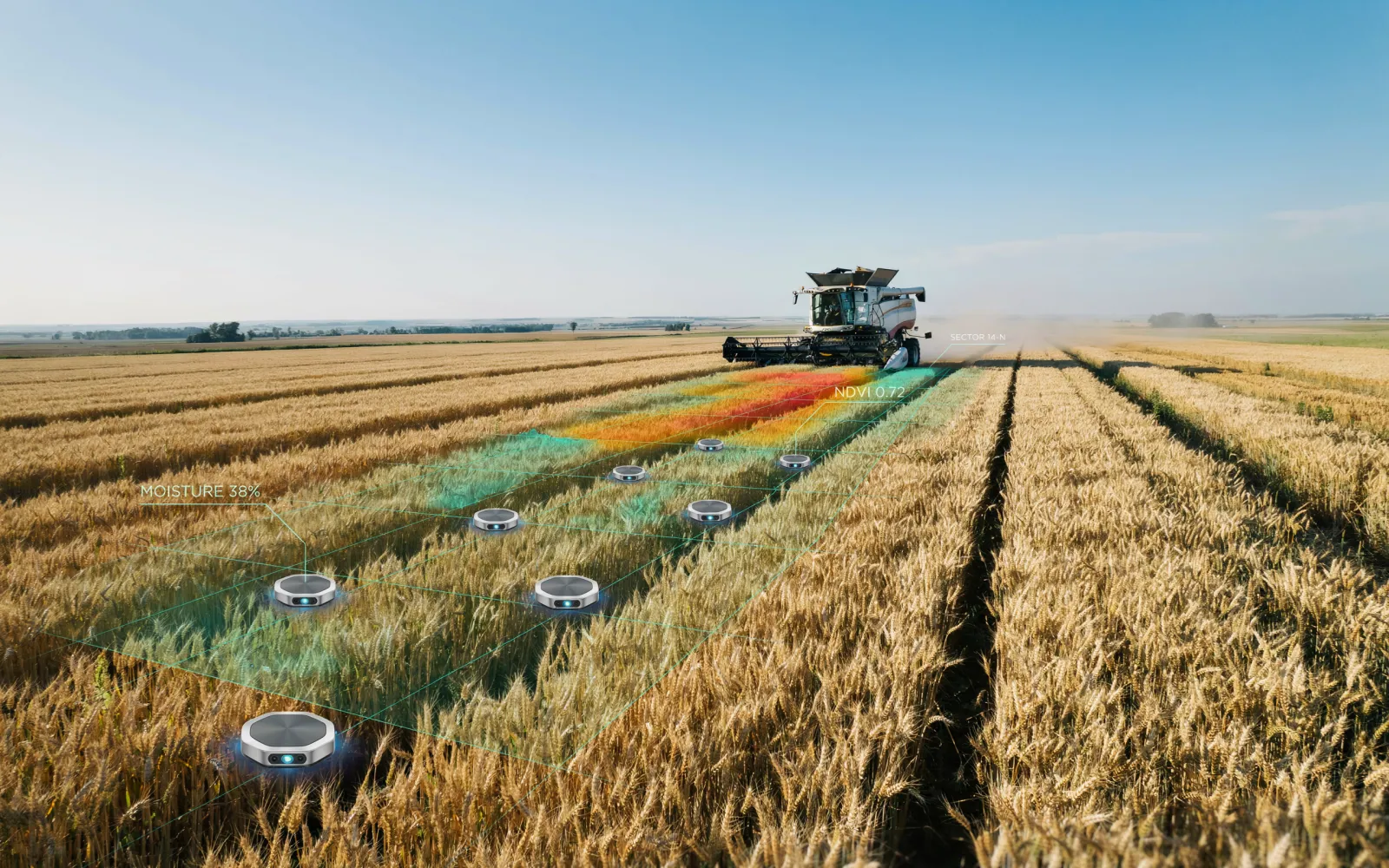
AI’s potential for Canadian farms is clear. Tools such as Farmer Chat, AgPal and Root AI provide real‑time, data‑based advice. Smart sensors monitor soil moisture, nutrient levels and pH; drones and satellites capture high‑resolution imagery; and AI systems synthesize the data to pinpoint crop stress and recommend interventions at the scale of a few square metres. Computer‑vision models can detect diseases like yellow rust or blight weeks before they become visible, allowing farmers to intervene early and reduce pesticide use. Irrigation platforms such as CropX can dynamically adjust water application based on soil and weather data, cutting water use by up to 50 %. Similar technologies are being applied to livestock, where sensors and machine‑learning models monitor animal health, detect lameness and flag early signs of mastitis.
Despite these benefits, the study found that many farmers remain unaware of which AI tools exist and which are relevant to their operations. The researchers called this the “information gap syndrome.” A second barrier, the “mismatch syndrome,” arises when new AI systems cannot be integrated with existing equipment, data platforms or workflows. Finally, the “fragmentation syndrome” describes how universities, technology firms, extension services and producers often work in silos, limiting opportunities for collaboration.
The Brock University team argues that the solution lies in an agricultural innovation‑systems approach. This perspective treats innovation as a networked process involving researchers, farmers, agri‑entrepreneurs, policymakers and intermediary organizations that connect them. A key tenet is the importance of regional context in a country as geographically vast as Canada. What works for intensive dairy systems in Quebec may not suit grain producers in Saskatchewan or horticultural operations in British Columbia and Ontario. The study notes that well‑intentioned national solutions often fall short because they do not account for this diversity.
The AI for All strategy, launched by the federal government, includes six pillars that aim to build AI literacy, provide trusted AI agents for students and youth, and create workforce alliances for sector‑specific training. However, the Brock University findings suggest that without a coordinated, multi‑level governance framework that strengthens regional innovation ecosystems, the strategy may not reach the agricultural sector effectively.
Policy makers are therefore urged to focus on regional innovation systems rather than one‑size‑fits‑all programs. Intergovernmental efforts that embed AI within a calibrated, regionally grounded innovation ecosystem can close knowledge gaps through training programs that emphasize integration and use, rather than merely promoting technology. The study stresses that AI will not transform Canadian agriculture on its own; it needs to be embedded within an effective innovation‑systems governance architecture to deliver a more competitive, sustainable and resilient agrifood system.
At present, Canada’s agricultural sector remains behind other G7 countries in system‑wide transformation. The AI for All strategy offers a framework, but the Brock University study highlights the need for deeper collaboration, better information flow and tailored regional support to unlock AI’s full potential.
The federal government has announced that it will review the strategy’s implementation in agriculture over the coming months, with a focus on creating regional innovation hubs and strengthening extension services. The outcome of these efforts will determine whether Canada can bridge the adoption gap and harness AI to improve yields, reduce inputs and enhance ecological stewardship across its diverse agricultural landscape.
A two‑year study led by researchers at Brock University in Ontario shows that while many AI tools are technically sound and commercially available, Canadian farmers are still struggling to adopt them. The study identified three main barriers – an information gap, a mismatch between new systems and existing farm infrastructure, and a fragmentation of innovation networks – that together create a weak support structure for shared learning and coordinated uptake.
AI’s potential for Canadian farms is clear. Tools such as Farmer Chat, AgPal and Root AI provide real‑time, data‑based advice. Smart sensors monitor soil moisture, nutrient levels and pH; drones and satellites capture high‑resolution imagery; and AI systems synthesize the data to pinpoint crop stress and recommend interventions at the scale of a few square metres. Computer‑vision models can detect diseases like yellow rust or blight weeks before they become visible, allowing farmers to intervene early and reduce pesticide use. Irrigation platforms such as CropX can dynamically adjust water application based on soil and weather data, cutting water use by up to 50 %. Similar technologies are being applied to livestock, where sensors and machine‑learning models monitor animal health, detect lameness and flag early signs of mastitis.
Despite these benefits, the study found that many farmers remain unaware of which AI tools exist and which are relevant to their operations. The researchers called this the “information gap syndrome.” A second barrier, the “mismatch syndrome,” arises when new AI systems cannot be integrated with existing equipment, data platforms or workflows. Finally, the “fragmentation syndrome” describes how universities, technology firms, extension services and producers often work in silos, limiting opportunities for collaboration.
The Brock University team argues that the solution lies in an agricultural innovation‑systems approach. This perspective treats innovation as a networked process involving researchers, farmers, agri‑entrepreneurs, policymakers and intermediary organizations that connect them. A key tenet is the importance of regional context in a country as geographically vast as Canada. What works for intensive dairy systems in Quebec may not suit grain producers in Saskatchewan or horticultural operations in British Columbia and Ontario. The study notes that well‑intentioned national solutions often fall short because they do not account for this diversity.
The AI for All strategy, launched by the federal government, includes six pillars that aim to build AI literacy, provide trusted AI agents for students and youth, and create workforce alliances for sector‑specific training. However, the Brock University findings suggest that without a coordinated, multi‑level governance framework that strengthens regional innovation ecosystems, the strategy may not reach the agricultural sector effectively.
Policy makers are therefore urged to focus on regional innovation systems rather than one‑size‑fits‑all programs. Intergovernmental efforts that embed AI within a calibrated, regionally grounded innovation ecosystem can close knowledge gaps through training programs that emphasize integration and use, rather than merely promoting technology. The study stresses that AI will not transform Canadian agriculture on its own; it needs to be embedded within an effective innovation‑systems governance architecture to deliver a more competitive, sustainable and resilient agrifood system.
At present, Canada’s agricultural sector remains behind other G7 countries in system‑wide transformation. The AI for All strategy offers a framework, but the Brock University study highlights the need for deeper collaboration, better information flow and tailored regional support to unlock AI’s full potential.
The federal government has announced that it will review the strategy’s implementation in agriculture over the coming months, with a focus on creating regional innovation hubs and strengthening extension services. The outcome of these efforts will determine whether Canada can bridge the adoption gap and harness AI to improve yields, reduce inputs and enhance ecological stewardship across its diverse agricultural landscape.