Blab Tech
Brad Paisley Leads Nashville Zoos Fight Against Proposed 69,000-Square-Foot Data Center
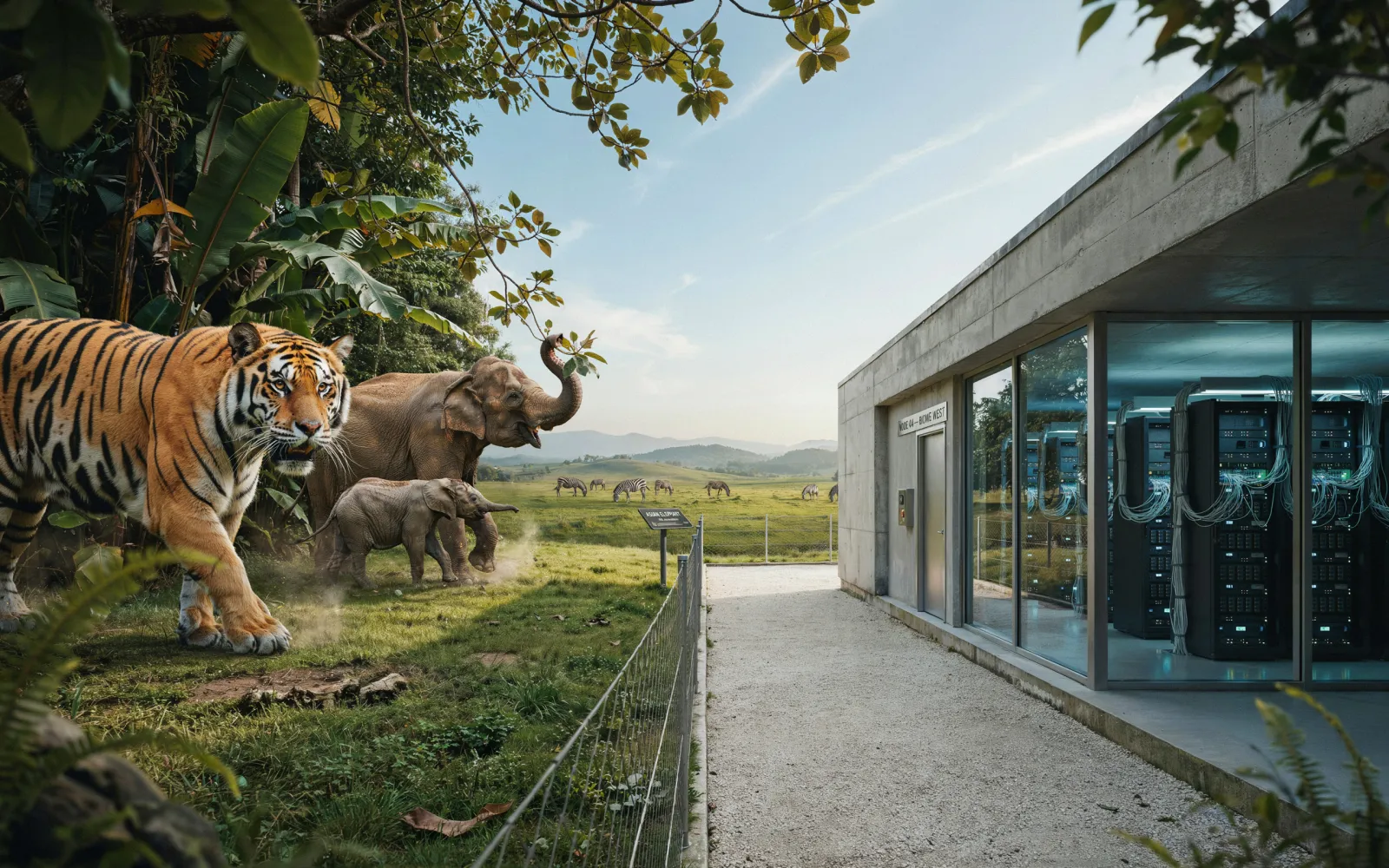
On June 7, country‑music star Brad Paisley took to Instagram Reels to rally Nashville residents against a looming 69,220‑square‑foot data center slated for 648 Grassmere Park. The developer, DC BLOX, plans to build the facility just 50 yards from the zoo’s parking lot, a location that has already drawn criticism from conservationists and local officials.
Paisley’s clip—brimming with his trademark energy—described the project as an “absolute nightmare scenario,” calling the future building an “enormous monstrosity” that would mar the skyline and harm the zoo’s mission. The Nashville Zoo, which welcomed 1.4 million visitors last year and shelters more than 3,700 animals across 350 species, has responded by launching a petition that has already amassed 331,824 signatures and 126,599 social‑media shares.
Zoo president and CEO Rick Schwartz warned that the data center could jeopardize the care of rare and vulnerable species, including the clouded leopard, which the zoo actively conserves. The petition notes that no environmental impact assessment has been released and that the zoo is “vehemently opposing” the proposal.
DC BLOX, a company headquartered in Atlanta that operates 23 data centers nationwide, filed its permit application last month. The firm says it builds facilities for hyperscalers, enterprises, communications providers and technology companies. A DC BLOX spokesperson told NBC News that the new center would not be an “AI factory” and that the site had previously hosted a data center, but the company declined to name its intended customers.
In response, the zoo has filed a zoning appeal with the city, prepared by land‑use attorney Bill Herbert, a former Metro Codes Director. The appeal seeks to overturn DC BLOX’s permits while the city’s Metropolitan Council debates legislation that would ban data centers larger than 500,000 square feet and require them to be built at least half a mile from homes, schools and zoos.
Mayor Freddie O’Connell’s office has said it is working with the Department of Law and Metro departments to explore legal options that would protect local communities from the potential impacts of large data centers. Chief communications officer Julie Oaks Smith noted that the city is “looking at what options are available under the law for the mayor and the Metro government to implement safeguards to protect our air, water, and rate payers, and keep our neighborhoods and our residents from being negatively impacted by these facilities.”
The dispute echoes a national trend of community opposition to new data center projects, driven by concerns over environmental impact, noise, water use and the concentration of energy consumption. Paisley’s public appeal has amplified the zoo’s campaign, and the city’s forthcoming regulatory changes could reshape the future of data infrastructure in the region.
The project remains in limbo: the zoning appeal is under review, the city council’s proposed ordinance is slated for debate, and the petition already boasts hundreds of thousands of signatures. The outcome will determine whether the 69,000‑square‑foot facility proceeds or is halted.
Paisley’s clip—brimming with his trademark energy—described the project as an “absolute nightmare scenario,” calling the future building an “enormous monstrosity” that would mar the skyline and harm the zoo’s mission. The Nashville Zoo, which welcomed 1.4 million visitors last year and shelters more than 3,700 animals across 350 species, has responded by launching a petition that has already amassed 331,824 signatures and 126,599 social‑media shares.
Zoo president and CEO Rick Schwartz warned that the data center could jeopardize the care of rare and vulnerable species, including the clouded leopard, which the zoo actively conserves. The petition notes that no environmental impact assessment has been released and that the zoo is “vehemently opposing” the proposal.
DC BLOX, a company headquartered in Atlanta that operates 23 data centers nationwide, filed its permit application last month. The firm says it builds facilities for hyperscalers, enterprises, communications providers and technology companies. A DC BLOX spokesperson told NBC News that the new center would not be an “AI factory” and that the site had previously hosted a data center, but the company declined to name its intended customers.
In response, the zoo has filed a zoning appeal with the city, prepared by land‑use attorney Bill Herbert, a former Metro Codes Director. The appeal seeks to overturn DC BLOX’s permits while the city’s Metropolitan Council debates legislation that would ban data centers larger than 500,000 square feet and require them to be built at least half a mile from homes, schools and zoos.
Mayor Freddie O’Connell’s office has said it is working with the Department of Law and Metro departments to explore legal options that would protect local communities from the potential impacts of large data centers. Chief communications officer Julie Oaks Smith noted that the city is “looking at what options are available under the law for the mayor and the Metro government to implement safeguards to protect our air, water, and rate payers, and keep our neighborhoods and our residents from being negatively impacted by these facilities.”
The dispute echoes a national trend of community opposition to new data center projects, driven by concerns over environmental impact, noise, water use and the concentration of energy consumption. Paisley’s public appeal has amplified the zoo’s campaign, and the city’s forthcoming regulatory changes could reshape the future of data infrastructure in the region.
The project remains in limbo: the zoning appeal is under review, the city council’s proposed ordinance is slated for debate, and the petition already boasts hundreds of thousands of signatures. The outcome will determine whether the 69,000‑square‑foot facility proceeds or is halted.








