Blab Tech
South Africas Plug-in Hybrid Market Surges as Prices Drop Below R500,000
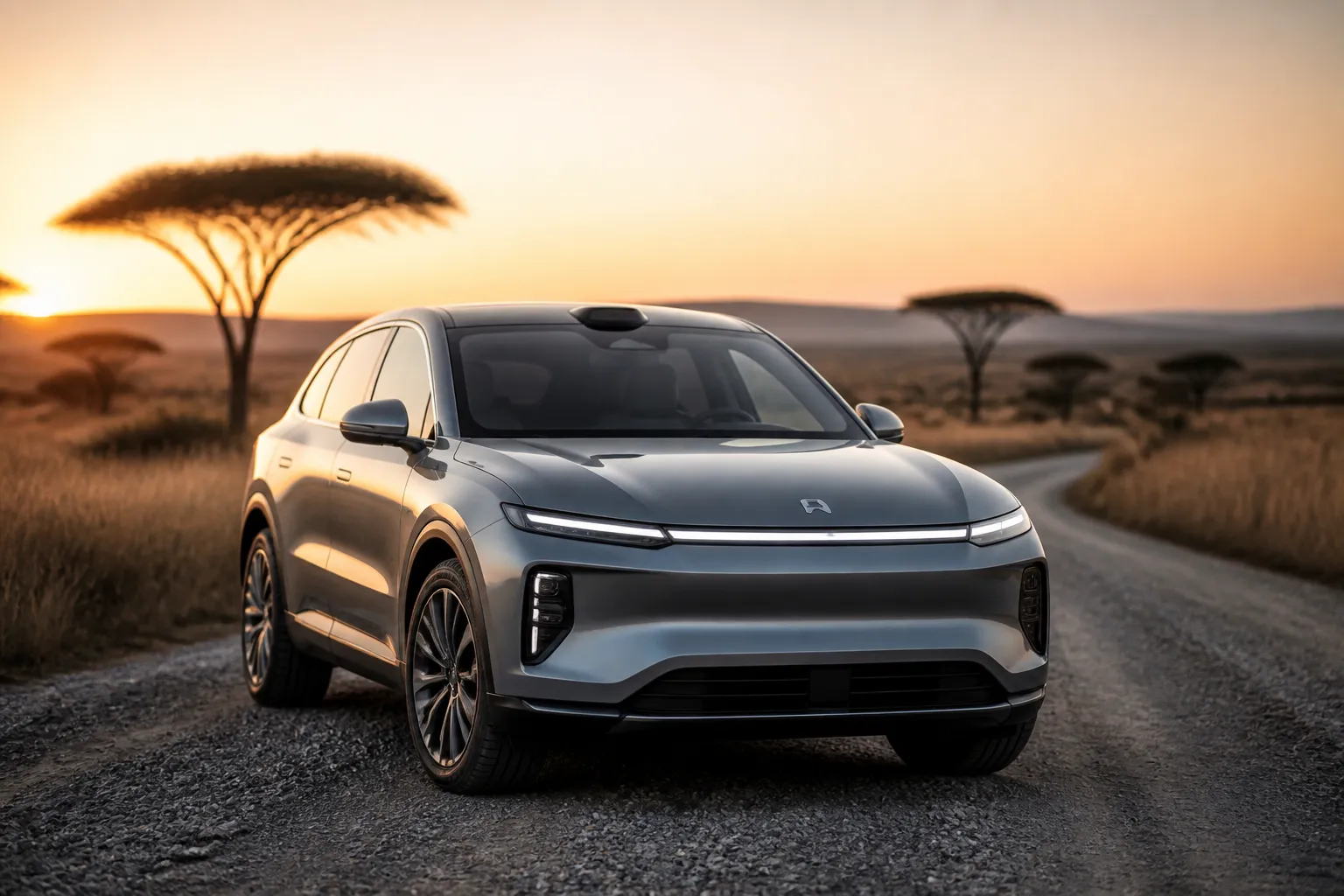
South Africa’s plug‑in hybrid market is surging as new models fall below the R500,000 threshold, reshaping the country’s passenger‑vehicle landscape. The price drop, driven by a wave of Chinese arrivals and an expanding charging network, has made electric‑first commuting both affordable and less risky for motorists.
In 2024, plug‑in hybrid (PHEV) sales doubled from the previous year, and the segment grew 280 % in 2025, according to industry reports. The average purchase price for a new passenger vehicle in 2024 was roughly R400,000, yet the current PHEV lineup spans from R499,900 to over R4 million, opening the technology to a wider range of buyers.
The first sub‑R500,000 PHEV, the BYD Sealion 5, launched late 2023 at R499,900. It pairs a naturally aspirated 1.5‑litre petrol engine with a front‑mounted electric motor that delivers 156 kW and 8.5 s 0‑100 km/h acceleration, while its fuel consumption is listed at 1.4 l/100 km. Following BYD, Geely’s E5 EM‑i arrives at R599,999, offering a combined 1.5‑litre engine and electric drive that together provide up to 943 km of range.
Chery’s Tiggo 7 Pro CSH starts at R619,900 with 265 kW and 7.4 s acceleration, and its seven‑seater counterpart, the Tiggo 8 Pro CSH Apex, is priced at R729,900. Jetour’s T1 i‑DM and T2 i‑DM, both front‑wheel‑drive hybrids, are available from R689,900 and R779,900, each offering 250–265 kW and up to 100 km of pure‑electric range.
Other Chinese brands have followed suit. Jaecoo’s J7 SHS, Omoda’s C7 PHEV, and Haval’s H6 1.5T PHEV Ultra Luxury models all sit between R689,900 and R749,900. The H6 1.5T PHEV Ultra Luxury 4WD (Hi‑4) adds a rear‑axle electric motor, boosting torque to 760 Nm and delivering a 0‑100 km/h time of 4.8 s.
Leapmotor’s C10 REEV Style and Design variants, priced at R774,900 and R814,900, use a 28.4‑kWh battery to provide nearly 140 km of zero‑emission city driving before a 1.5‑litre generator extends the range to 970 km.
High‑end models from established luxury brands also populate the segment. BMW’s X1 xDrive30e (R1.05 million) and X3 30e xDrive (R1.26 million) combine 110 kW petrol engines with 130 kW electric motors. Volvo’s XC60 T8 Recharge (R1.314 million) and XC90 T8 Recharge (R1.807 million) feature 340 kW dual‑charged powertrains. Lexus offers the NX 450h+ F Sport (R1.336 million) and RX 450h+ (R1.63 million), while Jaguar’s E‑Pace P300e (R1.61 million) and F‑Pace P400e (R1.98 million) provide 227–297 kW outputs.
The luxury segment extends to the Range Rover Evoque P300e (R1.7 million), Discovery Sport P300e (R1.72 million), and the high‑performance Range Rover Sport P460e (R2.69 million). Porsche’s Cayenne e‑hybrid (R2.61 million) and Panamera 4 e‑hybrid (R4.03 million) deliver 382–500 kW. Lamborghini’s Urus SE (R4.875 million), Temerario (R7.525 million), and Revuelto (R12.8 million) showcase the brand’s plug‑in hybrid powertrains, with the Revuelto offering 747 kW and a 14.3 l/100 km fuel consumption figure.
Technical considerations for South African buyers include battery size, electric‑only range, and fuel consumption. Most new models feature 18–34 kWh battery packs, providing 90–150 km of zero‑emission driving, while combined fuel consumption ranges from 1.2 l/100 km (Leapmotor) to 4.6 l/100 km (Jaecoo J7 SHS). Performance figures vary, with the fastest 0‑100 km/h times recorded by the Haval H6 GT 1.5T PHEV Ultra Luxury 4WD (4.8 s) and the Lamborghini Revuelto (2.5 s).
Market implications are clear. The entry of Chinese manufacturers has driven down starting prices, making PHEVs competitive with conventional internal‑combustion engines. Over 350 public charging stations now exist across major metros, reducing range anxiety, although grid volatility and load‑shedding remain challenges for home charging. Consumer behaviour shows a preference for vehicles that combine electric commuting with a petrol safety net, a niche that PHEVs fill.
South Africa’s automotive industry, which produces more than half a million vehicles annually, is adapting to this shift. Crossovers now account for 36.9 % of new‑vehicle sales, and the average purchase price of R400,000 places PHEVs within reach of the middle‑income segment. Local production of PHEVs has increased, with 1,740 passenger units built in the first four months of 2023.
In conclusion, the South African plug‑in hybrid market is in a period of rapid expansion. Prices below R500,000 have opened the technology to a wider audience, while a growing selection of models—from entry‑level BYD Sealion 5 to high‑performance Lamborghini Revuelto—caters to diverse consumer needs. Upcoming product launches include the 2026‑model‑year releases of the BYD Sealion 6 and the Haval H6 GT, and regulatory bodies are expected to introduce new incentives for low‑emission vehicles in the next fiscal year. The market remains dynamic, with continued growth projected as charging infrastructure improves and consumer confidence in hybrid technology strengthens.
In 2024, plug‑in hybrid (PHEV) sales doubled from the previous year, and the segment grew 280 % in 2025, according to industry reports. The average purchase price for a new passenger vehicle in 2024 was roughly R400,000, yet the current PHEV lineup spans from R499,900 to over R4 million, opening the technology to a wider range of buyers.
The first sub‑R500,000 PHEV, the BYD Sealion 5, launched late 2023 at R499,900. It pairs a naturally aspirated 1.5‑litre petrol engine with a front‑mounted electric motor that delivers 156 kW and 8.5 s 0‑100 km/h acceleration, while its fuel consumption is listed at 1.4 l/100 km. Following BYD, Geely’s E5 EM‑i arrives at R599,999, offering a combined 1.5‑litre engine and electric drive that together provide up to 943 km of range.
Chery’s Tiggo 7 Pro CSH starts at R619,900 with 265 kW and 7.4 s acceleration, and its seven‑seater counterpart, the Tiggo 8 Pro CSH Apex, is priced at R729,900. Jetour’s T1 i‑DM and T2 i‑DM, both front‑wheel‑drive hybrids, are available from R689,900 and R779,900, each offering 250–265 kW and up to 100 km of pure‑electric range.
Other Chinese brands have followed suit. Jaecoo’s J7 SHS, Omoda’s C7 PHEV, and Haval’s H6 1.5T PHEV Ultra Luxury models all sit between R689,900 and R749,900. The H6 1.5T PHEV Ultra Luxury 4WD (Hi‑4) adds a rear‑axle electric motor, boosting torque to 760 Nm and delivering a 0‑100 km/h time of 4.8 s.
Leapmotor’s C10 REEV Style and Design variants, priced at R774,900 and R814,900, use a 28.4‑kWh battery to provide nearly 140 km of zero‑emission city driving before a 1.5‑litre generator extends the range to 970 km.
High‑end models from established luxury brands also populate the segment. BMW’s X1 xDrive30e (R1.05 million) and X3 30e xDrive (R1.26 million) combine 110 kW petrol engines with 130 kW electric motors. Volvo’s XC60 T8 Recharge (R1.314 million) and XC90 T8 Recharge (R1.807 million) feature 340 kW dual‑charged powertrains. Lexus offers the NX 450h+ F Sport (R1.336 million) and RX 450h+ (R1.63 million), while Jaguar’s E‑Pace P300e (R1.61 million) and F‑Pace P400e (R1.98 million) provide 227–297 kW outputs.
The luxury segment extends to the Range Rover Evoque P300e (R1.7 million), Discovery Sport P300e (R1.72 million), and the high‑performance Range Rover Sport P460e (R2.69 million). Porsche’s Cayenne e‑hybrid (R2.61 million) and Panamera 4 e‑hybrid (R4.03 million) deliver 382–500 kW. Lamborghini’s Urus SE (R4.875 million), Temerario (R7.525 million), and Revuelto (R12.8 million) showcase the brand’s plug‑in hybrid powertrains, with the Revuelto offering 747 kW and a 14.3 l/100 km fuel consumption figure.
Technical considerations for South African buyers include battery size, electric‑only range, and fuel consumption. Most new models feature 18–34 kWh battery packs, providing 90–150 km of zero‑emission driving, while combined fuel consumption ranges from 1.2 l/100 km (Leapmotor) to 4.6 l/100 km (Jaecoo J7 SHS). Performance figures vary, with the fastest 0‑100 km/h times recorded by the Haval H6 GT 1.5T PHEV Ultra Luxury 4WD (4.8 s) and the Lamborghini Revuelto (2.5 s).
Market implications are clear. The entry of Chinese manufacturers has driven down starting prices, making PHEVs competitive with conventional internal‑combustion engines. Over 350 public charging stations now exist across major metros, reducing range anxiety, although grid volatility and load‑shedding remain challenges for home charging. Consumer behaviour shows a preference for vehicles that combine electric commuting with a petrol safety net, a niche that PHEVs fill.
South Africa’s automotive industry, which produces more than half a million vehicles annually, is adapting to this shift. Crossovers now account for 36.9 % of new‑vehicle sales, and the average purchase price of R400,000 places PHEVs within reach of the middle‑income segment. Local production of PHEVs has increased, with 1,740 passenger units built in the first four months of 2023.
In conclusion, the South African plug‑in hybrid market is in a period of rapid expansion. Prices below R500,000 have opened the technology to a wider audience, while a growing selection of models—from entry‑level BYD Sealion 5 to high‑performance Lamborghini Revuelto—caters to diverse consumer needs. Upcoming product launches include the 2026‑model‑year releases of the BYD Sealion 6 and the Haval H6 GT, and regulatory bodies are expected to introduce new incentives for low‑emission vehicles in the next fiscal year. The market remains dynamic, with continued growth projected as charging infrastructure improves and consumer confidence in hybrid technology strengthens.