Blab Tech
Senate Pushes Quantum Initiative Reauthorization into FY27 Defense Bill
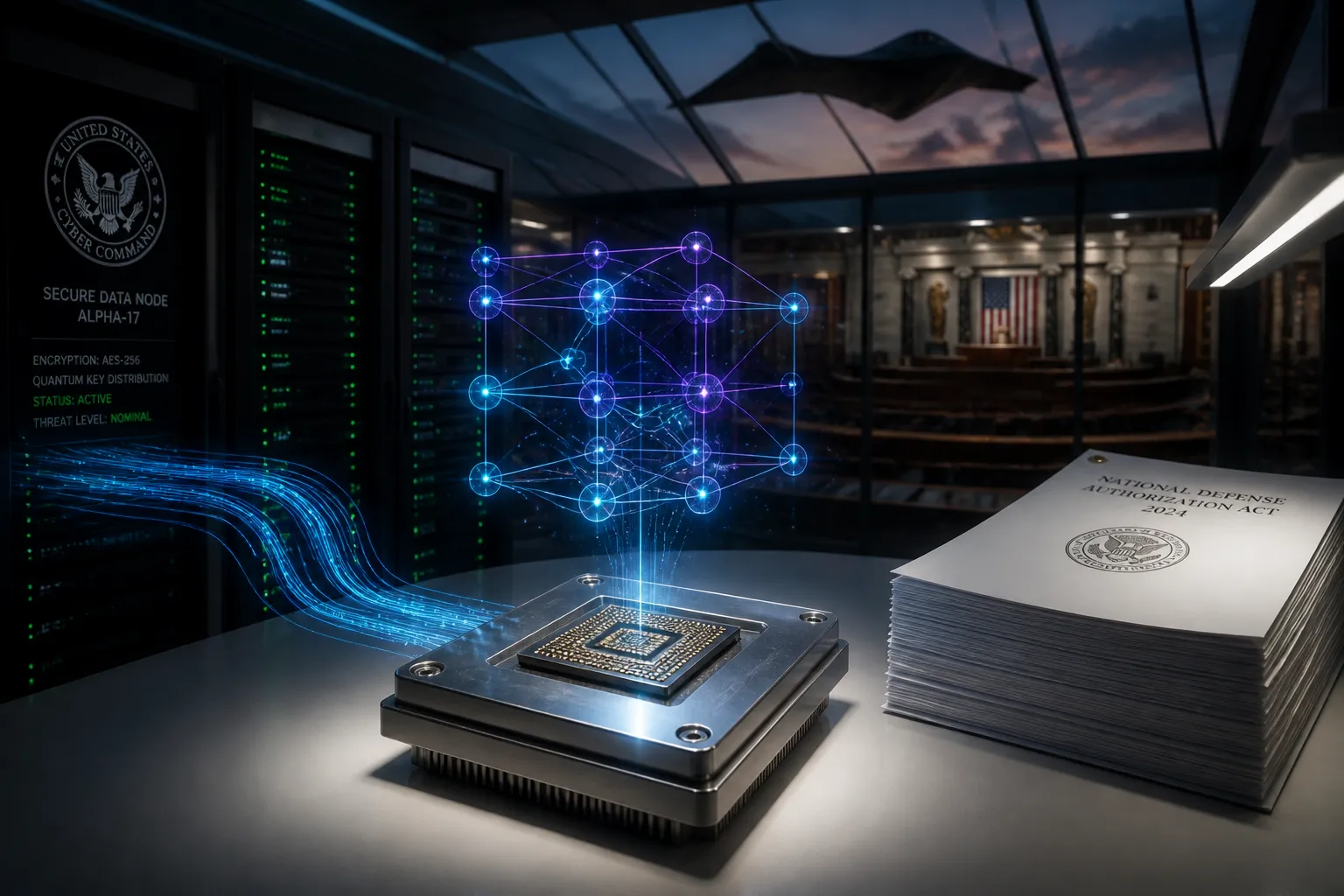
In a move that could steer the next decade of U.S. quantum research, the Senate is advancing a bipartisan renewal of the National Quantum Initiative Act (NQIA) into next year’s National Defense Authorization Act (NDAA). The effort, led by Senator Todd Young (R‑Ind.) and co‑sponsored by Senator Maria Cantwell (D‑Wash.), seeks to extend the program that expired in 2023 and to embed quantum priorities into the defense budget.
The NQIA, first enacted in 2018, was designed to bring federal laboratories, universities, and industry partners together around quantum information science and technology (QIST). Its funding framework supports research, development, and commercialization while setting long‑term strategic goals. The 2026 reauthorization bill, still awaiting a full Senate floor vote, would extend the mandate, though the exact duration has not yet been finalized in the Senate text.
Sen. Young’s spokesperson confirmed that the senator wants the reauthorization to be attached to the FY27 NDAA, the annual bill that authorizes the Department of Defense (DoD) and establishes policy priorities. By tying the quantum provision to the defense bill, lawmakers hope to secure a timely passage and align quantum research with national security objectives.
Adding a layer of nuance, Sen. Marsha Blackburn (R‑Tenn.) has introduced three amendments to the Senate version of the reauthorization. The changes focus on supply‑chain resilience, private‑sector collaboration, and defense‑specific research. According to reports, Young prefers the version that incorporates Blackburn’s amendments to be the one carried forward into the NDAA.
The reauthorization effort follows two executive orders issued by former President Donald Trump on Monday, 2026. The orders fast‑tracked federal investment in quantum research and mandated a transition to a post‑quantum cryptographic standard for government networks, aiming to keep the United States competitive in quantum capabilities and to safeguard national security against future quantum‑enabled cyber threats.
Both the House and Senate drafts include defense provisions that direct the DoD’s Advanced Research Projects Agency (DARPA) to support research measuring the comparative performance and progress of quantum technologies. The language also stresses fortifying supply chains for quantum components and expanding partnerships with private‑sector firms, reflecting a growing consensus that national security interests are increasingly tied to quantum advances.
The Senate Commerce Committee has already passed the reauthorization bill unanimously, a key milestone that clears the path for a full Senate vote. If the Senate approves, the measure will be attached to the NDAA and sent to the House for concurrence. The House version remains in committee, and its fate will hinge on the House Armed Services Committee’s schedule.
This reauthorization is part of a broader bipartisan push to maintain U.S. leadership in quantum technology. Sponsors emphasize that quantum research is essential for future computing, sensing, and secure communications, and the legislation seeks to create a pipeline of skilled workers and support the commercialization of quantum devices.
At this juncture, the reauthorization bill has not yet become law. The Senate’s next floor vote will determine whether the NQIA is renewed, and if passed, the NDAA will contain a new section authorizing continued federal funding for quantum research in line with defense priorities. The House will then need to approve the NDAA with the quantum provisions included.
The outcome will have implications for federal funding, supply‑chain security, and the pace of quantum technology development. A successful passage would signal a sustained commitment to quantum research and could influence private‑sector investment decisions. Until the Senate votes, the status of the NQIA remains uncertain, and the House’s committee review will be a critical next step.
In summary, the Senate is working to embed a bipartisan quantum research renewal into the FY27 NDAA. The effort, led by Senator Young, supported by Senator Cantwell, and incorporating Senator Blackburn’s amendments, aims to extend the NQIA, direct DoD research on quantum performance, and strengthen supply‑chain and private‑sector partnerships. The bill’s future hinges on a Senate floor vote and subsequent House approval of the NDAA.
The NQIA, first enacted in 2018, was designed to bring federal laboratories, universities, and industry partners together around quantum information science and technology (QIST). Its funding framework supports research, development, and commercialization while setting long‑term strategic goals. The 2026 reauthorization bill, still awaiting a full Senate floor vote, would extend the mandate, though the exact duration has not yet been finalized in the Senate text.
Sen. Young’s spokesperson confirmed that the senator wants the reauthorization to be attached to the FY27 NDAA, the annual bill that authorizes the Department of Defense (DoD) and establishes policy priorities. By tying the quantum provision to the defense bill, lawmakers hope to secure a timely passage and align quantum research with national security objectives.
Adding a layer of nuance, Sen. Marsha Blackburn (R‑Tenn.) has introduced three amendments to the Senate version of the reauthorization. The changes focus on supply‑chain resilience, private‑sector collaboration, and defense‑specific research. According to reports, Young prefers the version that incorporates Blackburn’s amendments to be the one carried forward into the NDAA.
The reauthorization effort follows two executive orders issued by former President Donald Trump on Monday, 2026. The orders fast‑tracked federal investment in quantum research and mandated a transition to a post‑quantum cryptographic standard for government networks, aiming to keep the United States competitive in quantum capabilities and to safeguard national security against future quantum‑enabled cyber threats.
Both the House and Senate drafts include defense provisions that direct the DoD’s Advanced Research Projects Agency (DARPA) to support research measuring the comparative performance and progress of quantum technologies. The language also stresses fortifying supply chains for quantum components and expanding partnerships with private‑sector firms, reflecting a growing consensus that national security interests are increasingly tied to quantum advances.
The Senate Commerce Committee has already passed the reauthorization bill unanimously, a key milestone that clears the path for a full Senate vote. If the Senate approves, the measure will be attached to the NDAA and sent to the House for concurrence. The House version remains in committee, and its fate will hinge on the House Armed Services Committee’s schedule.
This reauthorization is part of a broader bipartisan push to maintain U.S. leadership in quantum technology. Sponsors emphasize that quantum research is essential for future computing, sensing, and secure communications, and the legislation seeks to create a pipeline of skilled workers and support the commercialization of quantum devices.
At this juncture, the reauthorization bill has not yet become law. The Senate’s next floor vote will determine whether the NQIA is renewed, and if passed, the NDAA will contain a new section authorizing continued federal funding for quantum research in line with defense priorities. The House will then need to approve the NDAA with the quantum provisions included.
The outcome will have implications for federal funding, supply‑chain security, and the pace of quantum technology development. A successful passage would signal a sustained commitment to quantum research and could influence private‑sector investment decisions. Until the Senate votes, the status of the NQIA remains uncertain, and the House’s committee review will be a critical next step.
In summary, the Senate is working to embed a bipartisan quantum research renewal into the FY27 NDAA. The effort, led by Senator Young, supported by Senator Cantwell, and incorporating Senator Blackburn’s amendments, aims to extend the NQIA, direct DoD research on quantum performance, and strengthen supply‑chain and private‑sector partnerships. The bill’s future hinges on a Senate floor vote and subsequent House approval of the NDAA.