Blab Tech
Uber, Autobrains, and NVIDIA Launch Munich Robotaxi Pilot to Scale Autonomous Ride-Hailing
On June 1, Uber Technologies announced a Level 4 autonomous robotaxi pilot that will debut in Munich, Germany, in partnership with AI startup Autobrains and graphics‑hardware giant NVIDIA. The program brings together Uber’s global ride‑hailing network, Autobrains’ Agentic AI driving stack, and NVIDIA DRIVE Hyperion compute hardware.
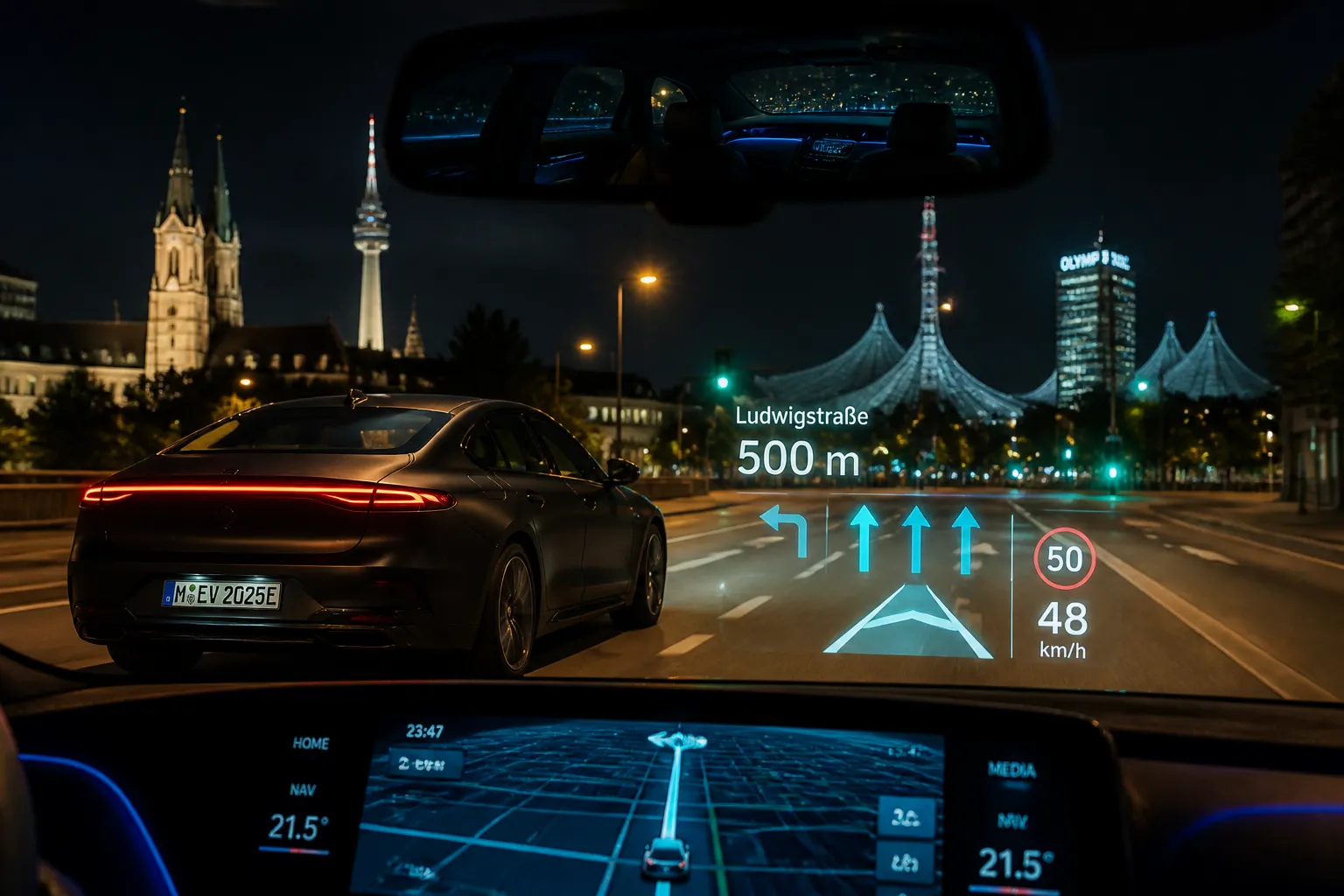
Munich was chosen for its tight streets, intricate road network, and a local regulatory framework that has proven welcoming to autonomous mobility experiments. Uber said the city will serve as a testbed for the first commercial deployment of a fully autonomous fleet in continental Europe, pending approval from German authorities.
Autobrains, a venture‑backed startup that has raised more than $140 million and owns over 300 patents, has built an Agentic AI system that delegates sensor‑data processing to a set of specialized sub‑agents. The company claims this approach cuts the cost curve of autonomous driving by making the software platform vehicle‑agnostic. The pilot will run on NVIDIA DRIVE Hyperion, a platform that delivers more than 2,000 FP4 teraflops of real‑time compute and incorporates NVIDIA’s Halos safety system.
Sarfraz Maredia, Uber’s Global Head of Autonomous Mobility & Delivery, explained that the biggest hurdle for robotaxis is not the vehicles themselves but their integration into a commercial network that can serve riders at scale. "For automakers and autonomy developers, the challenge is not just building autonomous vehicles – it’s bringing them into a commercial network where they can reliably serve riders at scale," Maredia told reporters. "This program creates a new path to do that by combining vehicle‑agnostic autonomy, leading AI compute, and Uber’s ride‑hailing platform."
The collaboration seeks to establish an OEM‑agnostic model that can be deployed across diverse vehicle platforms, thereby addressing the high cost of custom hardware and complex sensor suites that have limited the spread of autonomous fleets. By leveraging standard sensor configurations and a shared AI stack, Uber and its partners aim to accelerate the transition from isolated pilots to repeatable, large‑scale operations.
Uber’s autonomous‑fleet work extends beyond robotaxis. In 2025 the company launched an autonomous solutions suite that includes fleet‑management tools, depot tooling, and a dedicated insurance program for autonomous vehicles. That same year, it partnered with Nuro to deploy autonomous delivery robots for food deliveries in the United States.
The Munich pilot is part of Uber’s broader strategy to scale a global autonomous fleet. A recent company filing indicates plans to begin scaling the fleet in 2027, targeting 100,000 vehicles worldwide. The effort will be supported by a joint AI data factory built on NVIDIA’s Cosmos platform.
Industry observers note that Uber’s robotaxi program is one of several pilots underway in Europe. Momenta, another autonomous‑driving partner, announced Level 4 testing in Munich in 2026, underscoring the city’s appeal as an autonomous‑mobility proving ground.
While regulatory approval remains pending, the partnership illustrates a growing trend of ride‑hailing platforms teaming with AI and hardware specialists to overcome technical and commercial barriers to autonomous mobility. Investors, regulators, and competitors will watch the Munich test closely.
At present, the pilot’s launch date hinges on German authorities granting permission. Uber, Autobrains, and NVIDIA have not disclosed a specific timetable for when the first autonomous robotaxis will appear on Munich streets, but the companies are preparing for a future expansion to other European cities and deeper integration with Uber’s global marketplace.
In sum, Uber’s collaboration with Autobrains and NVIDIA marks a significant step toward a scalable, vehicle‑agnostic autonomous ride‑hailing platform. The Munich pilot will test the integration of Uber’s marketplace, Agentic AI, and DRIVE Hyperion in a complex urban environment, potentially setting a precedent for future autonomous‑mobility deployments across Europe and beyond.
Munich was chosen for its tight streets, intricate road network, and a local regulatory framework that has proven welcoming to autonomous mobility experiments. Uber said the city will serve as a testbed for the first commercial deployment of a fully autonomous fleet in continental Europe, pending approval from German authorities.
Autobrains, a venture‑backed startup that has raised more than $140 million and owns over 300 patents, has built an Agentic AI system that delegates sensor‑data processing to a set of specialized sub‑agents. The company claims this approach cuts the cost curve of autonomous driving by making the software platform vehicle‑agnostic. The pilot will run on NVIDIA DRIVE Hyperion, a platform that delivers more than 2,000 FP4 teraflops of real‑time compute and incorporates NVIDIA’s Halos safety system.
Sarfraz Maredia, Uber’s Global Head of Autonomous Mobility & Delivery, explained that the biggest hurdle for robotaxis is not the vehicles themselves but their integration into a commercial network that can serve riders at scale. "For automakers and autonomy developers, the challenge is not just building autonomous vehicles – it’s bringing them into a commercial network where they can reliably serve riders at scale," Maredia told reporters. "This program creates a new path to do that by combining vehicle‑agnostic autonomy, leading AI compute, and Uber’s ride‑hailing platform."
The collaboration seeks to establish an OEM‑agnostic model that can be deployed across diverse vehicle platforms, thereby addressing the high cost of custom hardware and complex sensor suites that have limited the spread of autonomous fleets. By leveraging standard sensor configurations and a shared AI stack, Uber and its partners aim to accelerate the transition from isolated pilots to repeatable, large‑scale operations.
Uber’s autonomous‑fleet work extends beyond robotaxis. In 2025 the company launched an autonomous solutions suite that includes fleet‑management tools, depot tooling, and a dedicated insurance program for autonomous vehicles. That same year, it partnered with Nuro to deploy autonomous delivery robots for food deliveries in the United States.
The Munich pilot is part of Uber’s broader strategy to scale a global autonomous fleet. A recent company filing indicates plans to begin scaling the fleet in 2027, targeting 100,000 vehicles worldwide. The effort will be supported by a joint AI data factory built on NVIDIA’s Cosmos platform.
Industry observers note that Uber’s robotaxi program is one of several pilots underway in Europe. Momenta, another autonomous‑driving partner, announced Level 4 testing in Munich in 2026, underscoring the city’s appeal as an autonomous‑mobility proving ground.
While regulatory approval remains pending, the partnership illustrates a growing trend of ride‑hailing platforms teaming with AI and hardware specialists to overcome technical and commercial barriers to autonomous mobility. Investors, regulators, and competitors will watch the Munich test closely.
At present, the pilot’s launch date hinges on German authorities granting permission. Uber, Autobrains, and NVIDIA have not disclosed a specific timetable for when the first autonomous robotaxis will appear on Munich streets, but the companies are preparing for a future expansion to other European cities and deeper integration with Uber’s global marketplace.
In sum, Uber’s collaboration with Autobrains and NVIDIA marks a significant step toward a scalable, vehicle‑agnostic autonomous ride‑hailing platform. The Munich pilot will test the integration of Uber’s marketplace, Agentic AI, and DRIVE Hyperion in a complex urban environment, potentially setting a precedent for future autonomous‑mobility deployments across Europe and beyond.








