Blab Tech
Rivian Unveils Affordable R2 SUV, Accelerates Production and Delivery Plans
When the lights of SXSW flickered on the stage in Austin, Rivian’s CEO RJ Scaringe announced a vehicle that could bring electric SUVs to a broader audience.
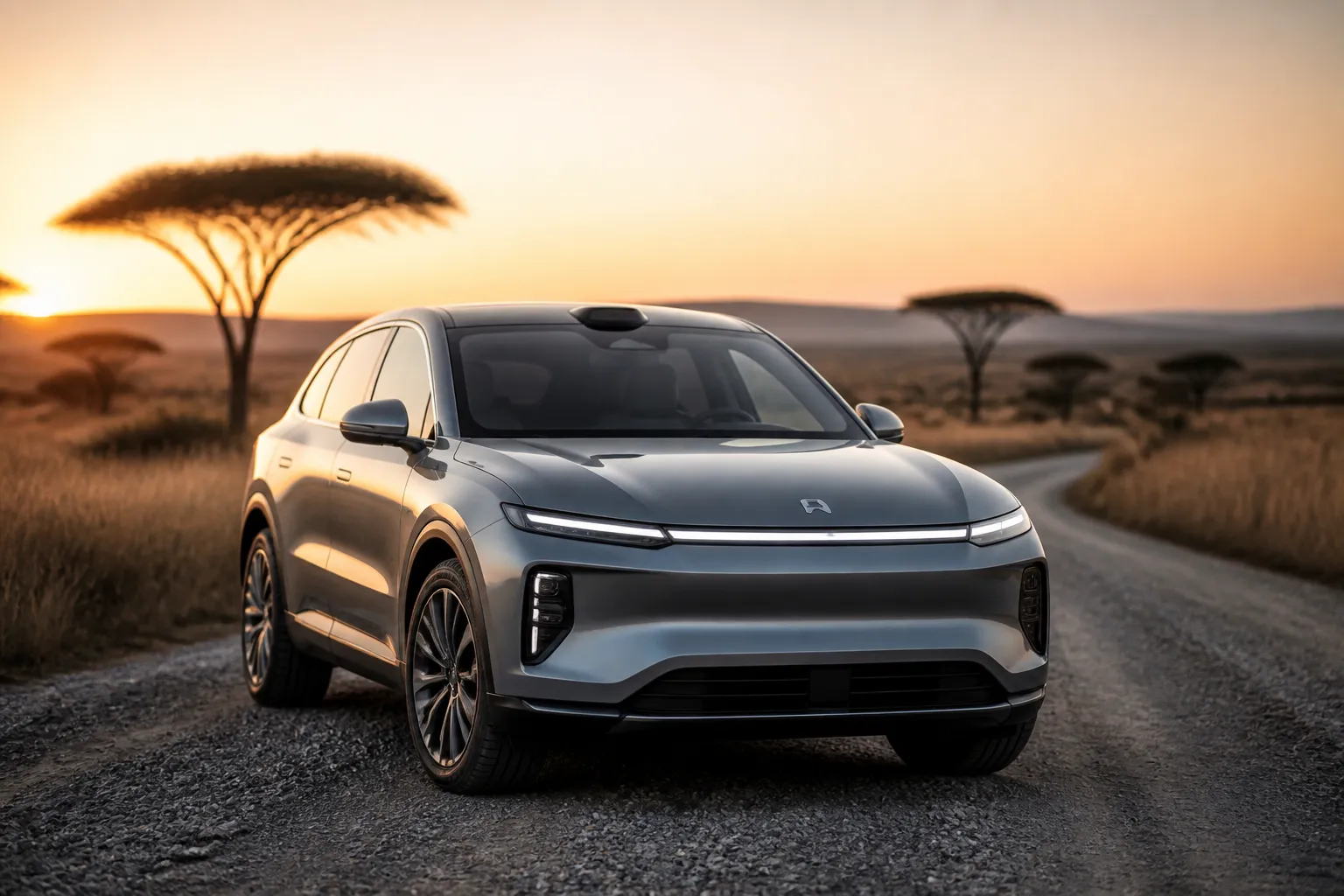
The new R2 is a compact, budget‑friendly sibling to the company’s flagship R1S. Priced at $45,000, the R2 starts roughly $30,000 below the entry‑level R1S and is designed to appeal to mainstream buyers who have been waiting for a more affordable electric off‑road option.
Scaringe unveiled three R2 trims: a single‑motor, rear‑wheel‑drive version; a twin‑motor, all‑wheel‑drive variant; and a tri‑motor high‑performance model. All three share Rivian’s skateboard platform and its latest battery chemistry, which the company says can deliver over 300 miles of range on many configurations.
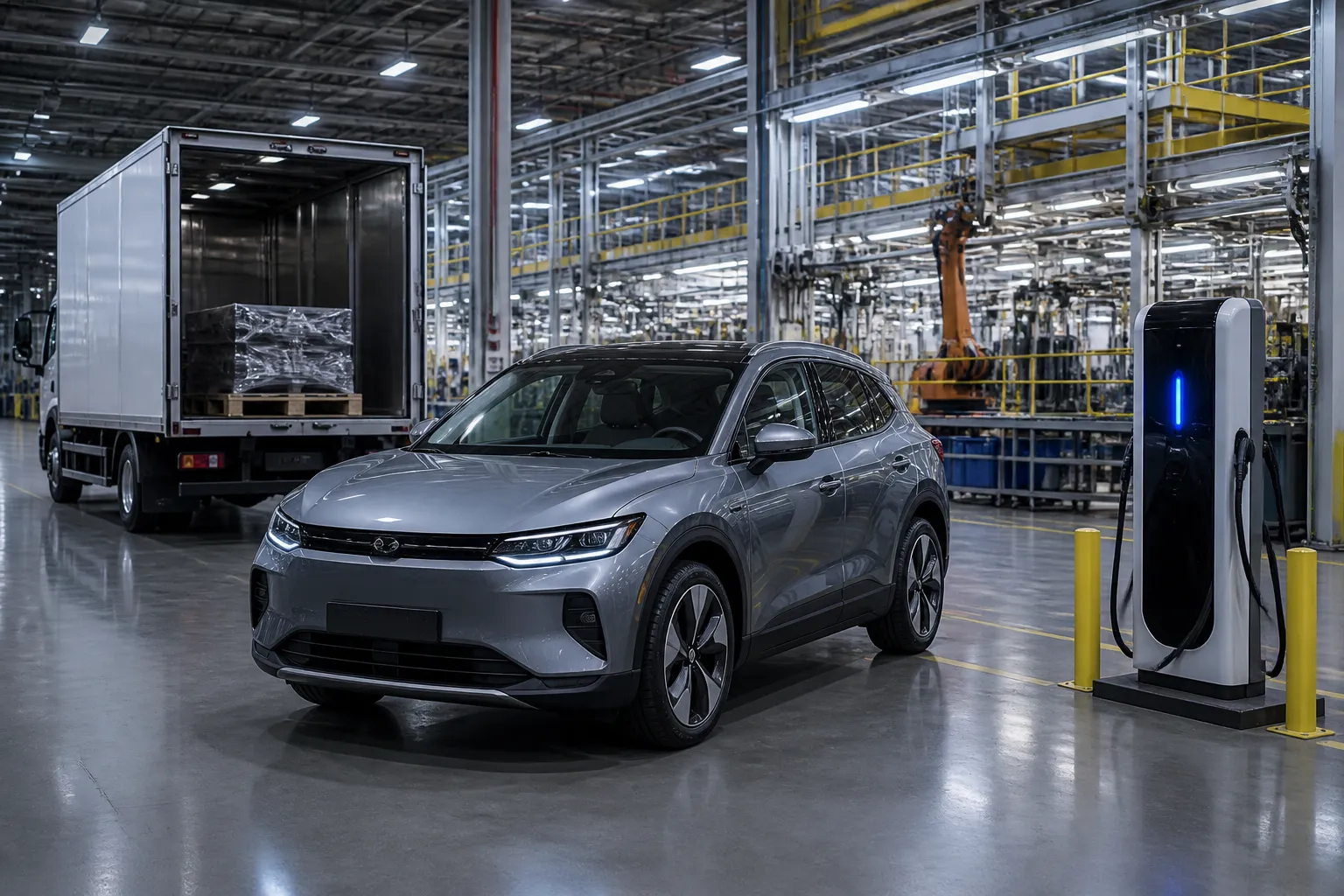
Production began in the first quarter of 2026 at Rivian’s Normal, Illinois plant, which currently runs a single shift. A second shift is slated for late 2026 and a third for 2027. The facility can produce 215,000 vehicles per year, with up to 155,000 of those being R2s. According to the company’s CFO, deliveries will start in spring 2026, with a ramp‑up to 20,000–25,000 units that year.
The R2 will come equipped with an advanced driver‑assist system that monitors the driver and can take control in specific scenarios. A voice‑assistant powered by artificial intelligence is scheduled for a 2026 update, and Rivian plans to use over‑the‑air updates to refine both the ADAS and the voice interface.
Scaringe stressed that software services are as vital as the hardware. Rivian already offers the FleetOS platform for commercial fleets, the Rivian Adventure Network of DC fast chargers, and a commercial van platform. The R2 launch is intended to broaden the company’s customer base and support the expansion of its service network, including a new service center in Appleton, Wisconsin.
The announcement has drawn investor attention. A recent analysis places Rivian among the top ten electric and autonomous‑driving stocks for hedge funds. Analysts say the lower price point should help the company reach a wider range of buyers.
Shortly after deliveries began, Rivian announced layoffs of hundreds of employees—less than 2 % of its workforce—to improve operational efficiency. The company said the cuts were unrelated to the R2 launch and were part of a broader effort to streamline production.
The R2 is also Rivian’s first model sold outside the United States and Canada, targeting the European market. The vehicle’s charging port was originally placed on the rear passenger side for European street charging but was moved to the rear driver’s side before production.
The R2 follows the earlier launch of the R3 compact SUV and the R1T pickup truck. Rivian’s strategy is to offer a range of electric vehicles that cater to both mainstream consumers and niche adventure markets.
As of now, the R2 is available for order on Rivian’s website, and the company has received over 68,000 reservations in the first 24 hours after its announcement. Production and delivery timelines remain the focus of industry observers, while the company continues to expand its charging infrastructure and software ecosystem.
In summary, Rivian’s R2 SUV marks a significant step toward mass‑market electric vehicles. The company’s production schedule, pricing strategy, and software roadmap position it to compete in the growing EV SUV segment, while its recent workforce adjustments reflect ongoing efforts to balance growth with operational efficiency.
The new R2 is a compact, budget‑friendly sibling to the company’s flagship R1S. Priced at $45,000, the R2 starts roughly $30,000 below the entry‑level R1S and is designed to appeal to mainstream buyers who have been waiting for a more affordable electric off‑road option.
Scaringe unveiled three R2 trims: a single‑motor, rear‑wheel‑drive version; a twin‑motor, all‑wheel‑drive variant; and a tri‑motor high‑performance model. All three share Rivian’s skateboard platform and its latest battery chemistry, which the company says can deliver over 300 miles of range on many configurations.
Production began in the first quarter of 2026 at Rivian’s Normal, Illinois plant, which currently runs a single shift. A second shift is slated for late 2026 and a third for 2027. The facility can produce 215,000 vehicles per year, with up to 155,000 of those being R2s. According to the company’s CFO, deliveries will start in spring 2026, with a ramp‑up to 20,000–25,000 units that year.
The R2 will come equipped with an advanced driver‑assist system that monitors the driver and can take control in specific scenarios. A voice‑assistant powered by artificial intelligence is scheduled for a 2026 update, and Rivian plans to use over‑the‑air updates to refine both the ADAS and the voice interface.
Scaringe stressed that software services are as vital as the hardware. Rivian already offers the FleetOS platform for commercial fleets, the Rivian Adventure Network of DC fast chargers, and a commercial van platform. The R2 launch is intended to broaden the company’s customer base and support the expansion of its service network, including a new service center in Appleton, Wisconsin.
The announcement has drawn investor attention. A recent analysis places Rivian among the top ten electric and autonomous‑driving stocks for hedge funds. Analysts say the lower price point should help the company reach a wider range of buyers.
Shortly after deliveries began, Rivian announced layoffs of hundreds of employees—less than 2 % of its workforce—to improve operational efficiency. The company said the cuts were unrelated to the R2 launch and were part of a broader effort to streamline production.
The R2 is also Rivian’s first model sold outside the United States and Canada, targeting the European market. The vehicle’s charging port was originally placed on the rear passenger side for European street charging but was moved to the rear driver’s side before production.
The R2 follows the earlier launch of the R3 compact SUV and the R1T pickup truck. Rivian’s strategy is to offer a range of electric vehicles that cater to both mainstream consumers and niche adventure markets.
As of now, the R2 is available for order on Rivian’s website, and the company has received over 68,000 reservations in the first 24 hours after its announcement. Production and delivery timelines remain the focus of industry observers, while the company continues to expand its charging infrastructure and software ecosystem.
In summary, Rivian’s R2 SUV marks a significant step toward mass‑market electric vehicles. The company’s production schedule, pricing strategy, and software roadmap position it to compete in the growing EV SUV segment, while its recent workforce adjustments reflect ongoing efforts to balance growth with operational efficiency.