Blab Tech
Lyft Partners with Baidu for London Robotaxi Rollout Amid Growing Competition
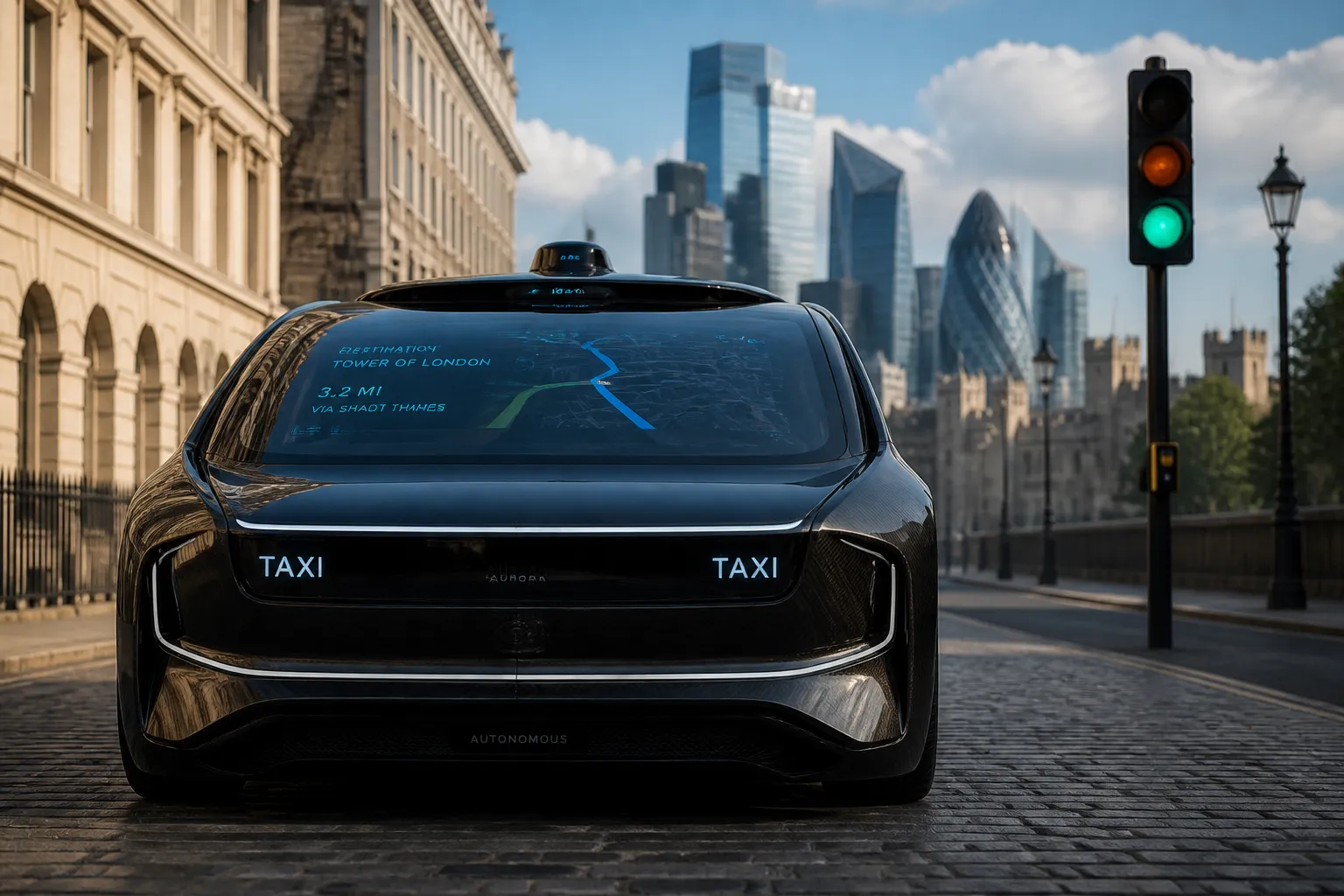
On June 11, Lyft Inc. (NASDAQ: LYFT) announced that it will begin road‑testing Baidu’s autonomous vehicles in London within the next few weeks. The collaboration is a key step toward a commercial robotaxi service slated for the second half of 2026, contingent on vehicle inspections and UK regulatory approval.
Under the agreement, Lyft will oversee the fleet and manage customer bookings through its existing mobile application, while Baidu will supply the vehicles and the self‑driving systems. Riders can expect fares comparable to the current ride‑hailing rates that include human drivers.
The move intensifies competition in the UK market. Wayve, a British autonomous‑driving startup, is preparing a summer launch of its robotaxi service in partnership with Uber, and Waymo—Alphabet’s autonomous‑vehicle arm—has announced plans to enter London before the end of next year.
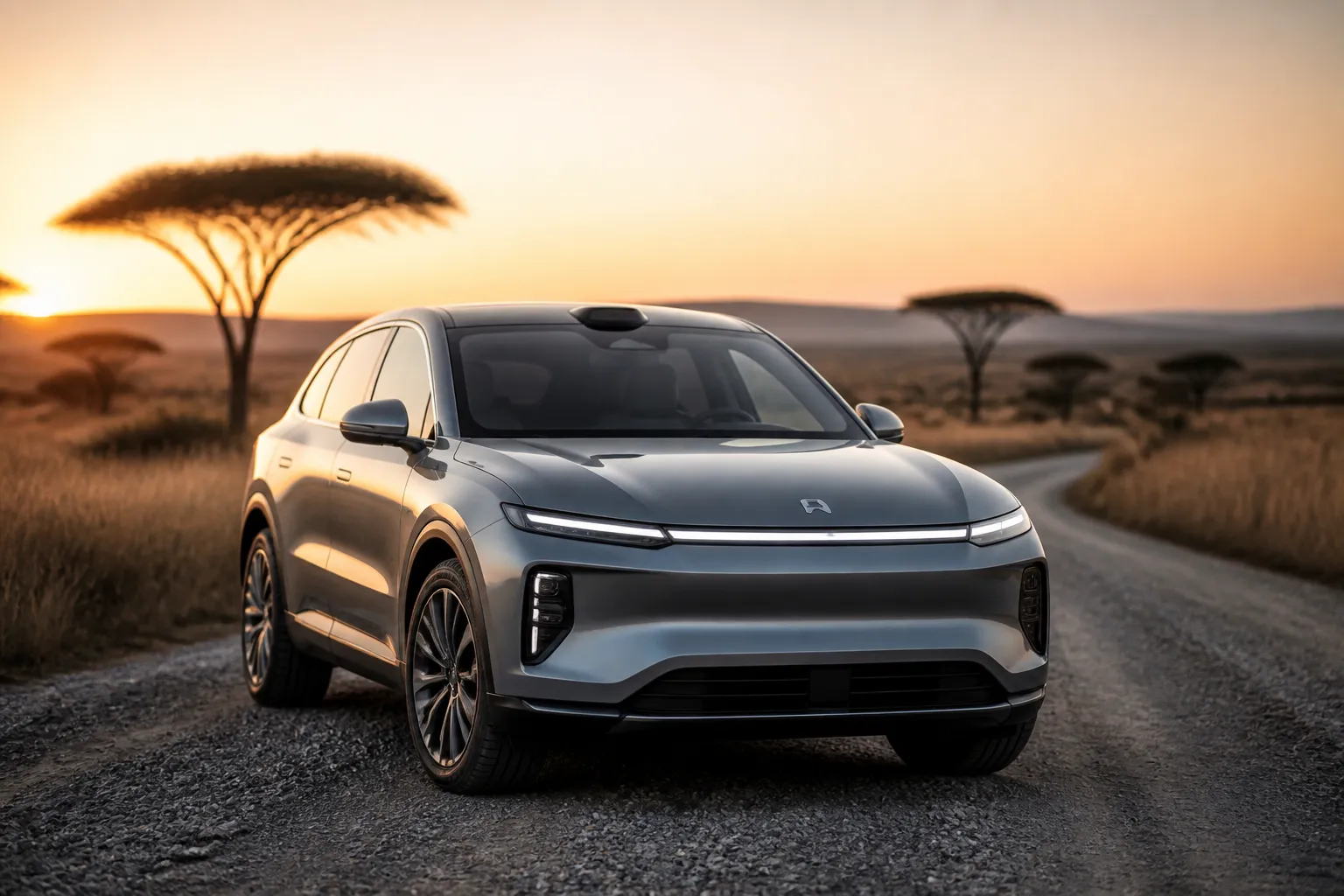
Lyft’s partnership with Baidu follows a broader trend of ride‑hailing companies collaborating with technology firms to deploy autonomous fleets. Baidu’s RT6 models are fully electric cars engineered for autonomous operation.
RBC Capital, a brokerage firm, lowered its price target for Lyft from $22 to $18 in the second week of May while maintaining an Outperform rating. The firm cited weaker first‑quarter results than expected and noted that market participants are focusing on organic growth trends and rider‑promotion strategies. RBC also highlighted that Lyft remains positioned for double‑digit growth, supported by a potential path to margin expansion, despite recent performance weakness.
Lyft operates a multimodal transportation network in the United States and Canada and offers services through its Free Now app in Europe. Its platform connects drivers with riders via a mobile application and provides ridesharing, advertising services, bike and bike‑station hardware and software, and data‑access agreements. According to its Wikipedia entry, Lyft has 25 million active riders and coordinates about 9 million rides per day.
The company is the second‑largest rideshailing operator in the United States after Uber. Lyft’s expansion into autonomous vehicle testing in London is part of a broader strategy to integrate electric and self‑driving technology into its fleet.
The London rollout will begin with limited testing before a wider deployment. The city is being positioned as a proving ground for autonomous taxis, with several companies planning pilots and commercial launches in the coming months.
Lyft’s collaboration with Baidu is one of several moves by ride‑hailing firms to secure access to advanced autonomous‑driving platforms. Baidu’s Apollo Go system has already been tested in other markets, and the partnership will allow the company to deploy the technology in a dense urban environment.
The announcement comes at a time when hedge funds have identified Lyft as one of the top ten electric and autonomous‑driving stocks to buy. The ranking is based on hedge‑fund sentiment and reflects the growing interest in companies that are integrating electric vehicles and autonomous technology.
Lyft’s partnership with Baidu, combined with the competitive activity of Wayve and Waymo, signals a tightening race among ride‑hailing operators to secure autonomous‑driving capabilities in key international markets.
As the company moves forward, regulatory approval and vehicle inspection will be critical milestones. The outcome of these processes will determine the timing of the commercial launch and the scale of Lyft’s autonomous fleet in London.
The partnership also highlights the importance of fleet management and customer‑booking platforms in the autonomous‑vehicle ecosystem. Lyft’s experience in connecting drivers and riders positions it to manage a large autonomous fleet once the vehicles are cleared for commercial operation.
In summary, Lyft’s June 11 announcement of a partnership with Baidu to test autonomous vehicles in London marks a significant step toward commercial robotaxi services in the UK. The move occurs amid growing competition from Wayve and Waymo and follows a period of cautious investment analysis from RBC Capital. The company’s broader strategy to integrate electric and autonomous technology into its multimodal transportation network remains a key focus as it seeks to maintain its position as the second‑largest rideshailing operator in the United States.
Under the agreement, Lyft will oversee the fleet and manage customer bookings through its existing mobile application, while Baidu will supply the vehicles and the self‑driving systems. Riders can expect fares comparable to the current ride‑hailing rates that include human drivers.
The move intensifies competition in the UK market. Wayve, a British autonomous‑driving startup, is preparing a summer launch of its robotaxi service in partnership with Uber, and Waymo—Alphabet’s autonomous‑vehicle arm—has announced plans to enter London before the end of next year.
Lyft’s partnership with Baidu follows a broader trend of ride‑hailing companies collaborating with technology firms to deploy autonomous fleets. Baidu’s RT6 models are fully electric cars engineered for autonomous operation.
RBC Capital, a brokerage firm, lowered its price target for Lyft from $22 to $18 in the second week of May while maintaining an Outperform rating. The firm cited weaker first‑quarter results than expected and noted that market participants are focusing on organic growth trends and rider‑promotion strategies. RBC also highlighted that Lyft remains positioned for double‑digit growth, supported by a potential path to margin expansion, despite recent performance weakness.
Lyft operates a multimodal transportation network in the United States and Canada and offers services through its Free Now app in Europe. Its platform connects drivers with riders via a mobile application and provides ridesharing, advertising services, bike and bike‑station hardware and software, and data‑access agreements. According to its Wikipedia entry, Lyft has 25 million active riders and coordinates about 9 million rides per day.
The company is the second‑largest rideshailing operator in the United States after Uber. Lyft’s expansion into autonomous vehicle testing in London is part of a broader strategy to integrate electric and self‑driving technology into its fleet.
The London rollout will begin with limited testing before a wider deployment. The city is being positioned as a proving ground for autonomous taxis, with several companies planning pilots and commercial launches in the coming months.
Lyft’s collaboration with Baidu is one of several moves by ride‑hailing firms to secure access to advanced autonomous‑driving platforms. Baidu’s Apollo Go system has already been tested in other markets, and the partnership will allow the company to deploy the technology in a dense urban environment.
The announcement comes at a time when hedge funds have identified Lyft as one of the top ten electric and autonomous‑driving stocks to buy. The ranking is based on hedge‑fund sentiment and reflects the growing interest in companies that are integrating electric vehicles and autonomous technology.
Lyft’s partnership with Baidu, combined with the competitive activity of Wayve and Waymo, signals a tightening race among ride‑hailing operators to secure autonomous‑driving capabilities in key international markets.
As the company moves forward, regulatory approval and vehicle inspection will be critical milestones. The outcome of these processes will determine the timing of the commercial launch and the scale of Lyft’s autonomous fleet in London.
The partnership also highlights the importance of fleet management and customer‑booking platforms in the autonomous‑vehicle ecosystem. Lyft’s experience in connecting drivers and riders positions it to manage a large autonomous fleet once the vehicles are cleared for commercial operation.
In summary, Lyft’s June 11 announcement of a partnership with Baidu to test autonomous vehicles in London marks a significant step toward commercial robotaxi services in the UK. The move occurs amid growing competition from Wayve and Waymo and follows a period of cautious investment analysis from RBC Capital. The company’s broader strategy to integrate electric and autonomous technology into its multimodal transportation network remains a key focus as it seeks to maintain its position as the second‑largest rideshailing operator in the United States.