Blab Tech
Florida AI Startup Aims to Free Los Angeles Dispatchers from Non-Emergency Calls
When a call to Los Angeles’ non‑emergency police line rings, most of the time no emergency lurks behind it. That routine reality, according to Florida startup Aurelian, could soon be automated.
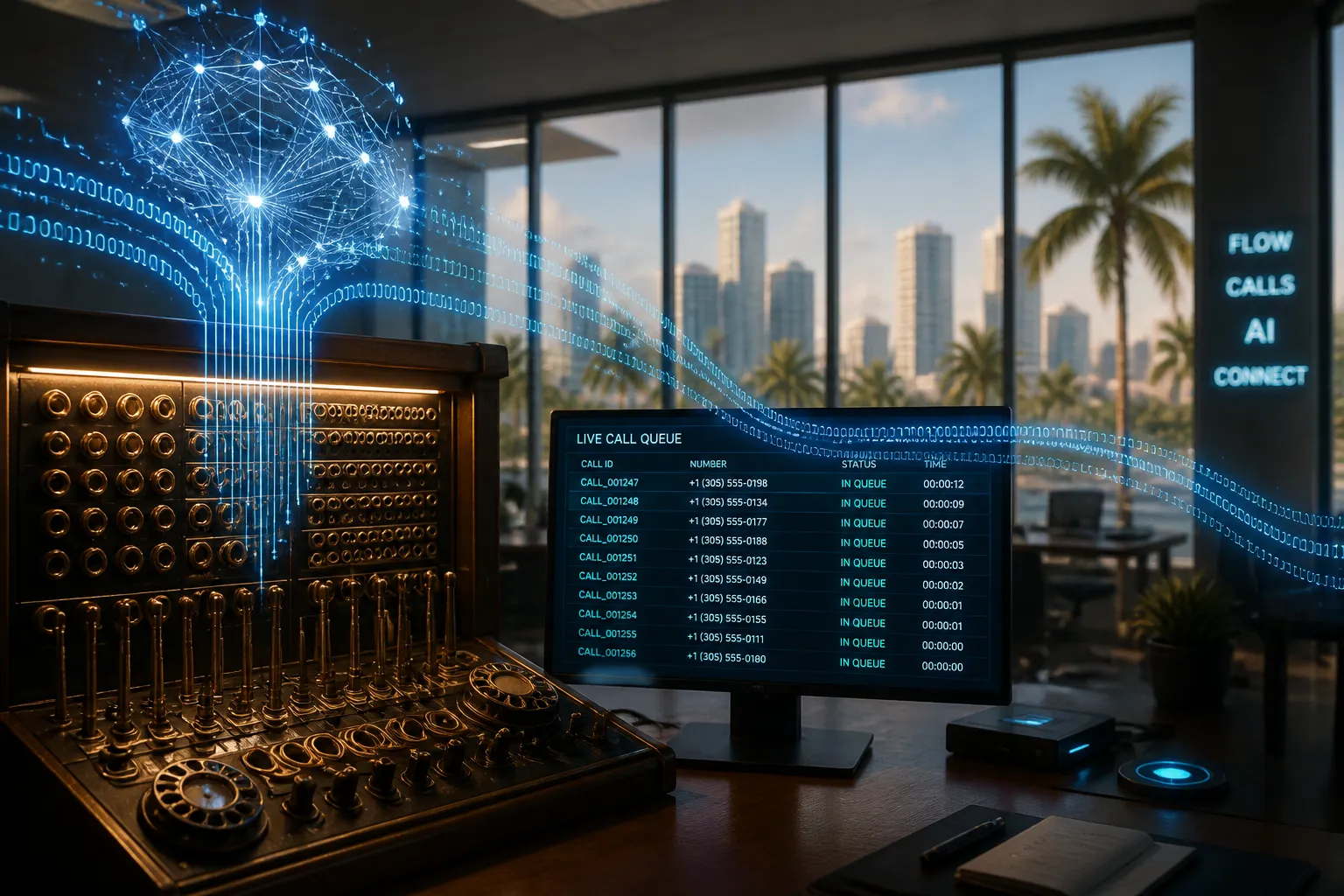
On June 18 2026, Aurelian announced that its AI‑powered call‑taker, Ava, can handle the bulk of non‑emergency calls that currently occupy Los Angeles Police Department (LAPD) dispatchers. The system is built for the 10‑digit non‑emergency police line, not the 911 emergency number. CEO Max Keenan said roughly 70 % of the calls that reach a public‑safety answering point (PSAP) are non‑emergency in nature, and Ava can automate about 74 % of those, freeing dispatchers roughly three hours of their workday.
Los Angeles has long struggled with staffing shortages at its PSAP. A March report to the City Council found that the LAPD answered only 57.43 % of 911 calls within California’s 15‑second standard in 2024, far below the state benchmark of 90 %. The department hired 144 dispatcher trainees in 2024 but only 56 in 2025, while losing 75 operators in the same period. City officials say about 100 operators must be on duty around the clock to meet minimum staffing requirements.
Keenan noted that the system can automatically handle between 60 % and 80 % of non‑emergency calls for agencies that adopt it. In one example, a department that previously fielded about 80,000 non‑emergency calls annually now has dispatchers personally answer only 15,000 to 20,000 calls, with Ava handling the rest.
The AI system is not intended to replace human dispatchers. It screens each call for signs of an emergency and immediately transfers the caller to a dispatcher if necessary. Keenan said about 5 % of calls on the non‑emergency line are emergencies, and the system’s ability to recognize and elevate those calls is “incredibly important.”
Aurelian claims that agencies can deploy Ava quickly. The company says it can go live with a customer in less than ten weeks from contract signing, and that most customers see 60 % automation on day one.
Ava handles a range of routine complaints—barking dogs, parking disputes, lost property reports and suspicious activity calls—and routes them to the appropriate channels, reducing the volume of calls that dispatchers must triage. More than 50 public‑safety agencies reportedly use the system, processing hundreds of thousands of calls each month. The technology is being positioned as a way to address chronic dispatcher shortages without adding new staff.
The Los Angeles 911 system remains under pressure. The city’s chronic staffing issues have been described as a crisis that has persisted for decades. While Aurelian’s solution does not answer 911 calls, it may help the department meet its response‑time benchmarks by allowing dispatchers to focus on true emergencies.
The deployment of AI in PSAPs is part of a broader trend of automation in emergency communications. Other jurisdictions, such as Snohomish County, Washington, and Chattanooga, Tennessee, have also introduced AI assistants to ease staffing shortages.
The effectiveness of such systems will depend on continued monitoring of emergency call escalation, data privacy compliance, and the ability of the AI to avoid misclassifying urgent situations. As of now, Aurelian’s Ava remains a tool that augments, rather than replaces, human dispatchers.
The Los Angeles Police Department has not yet announced a formal partnership with Aurelian, and it is unclear when or if the system will be adopted citywide. The city’s ongoing efforts to improve staffing and response times will likely influence the decision.
In the meantime, Aurelian’s announcement highlights the potential for AI to alleviate operational strain in public‑safety call centers, a challenge that many cities face as non‑emergency calls continue to grow.
On June 18 2026, Aurelian announced that its AI‑powered call‑taker, Ava, can handle the bulk of non‑emergency calls that currently occupy Los Angeles Police Department (LAPD) dispatchers. The system is built for the 10‑digit non‑emergency police line, not the 911 emergency number. CEO Max Keenan said roughly 70 % of the calls that reach a public‑safety answering point (PSAP) are non‑emergency in nature, and Ava can automate about 74 % of those, freeing dispatchers roughly three hours of their workday.
Los Angeles has long struggled with staffing shortages at its PSAP. A March report to the City Council found that the LAPD answered only 57.43 % of 911 calls within California’s 15‑second standard in 2024, far below the state benchmark of 90 %. The department hired 144 dispatcher trainees in 2024 but only 56 in 2025, while losing 75 operators in the same period. City officials say about 100 operators must be on duty around the clock to meet minimum staffing requirements.
Keenan noted that the system can automatically handle between 60 % and 80 % of non‑emergency calls for agencies that adopt it. In one example, a department that previously fielded about 80,000 non‑emergency calls annually now has dispatchers personally answer only 15,000 to 20,000 calls, with Ava handling the rest.
The AI system is not intended to replace human dispatchers. It screens each call for signs of an emergency and immediately transfers the caller to a dispatcher if necessary. Keenan said about 5 % of calls on the non‑emergency line are emergencies, and the system’s ability to recognize and elevate those calls is “incredibly important.”
Aurelian claims that agencies can deploy Ava quickly. The company says it can go live with a customer in less than ten weeks from contract signing, and that most customers see 60 % automation on day one.
Ava handles a range of routine complaints—barking dogs, parking disputes, lost property reports and suspicious activity calls—and routes them to the appropriate channels, reducing the volume of calls that dispatchers must triage. More than 50 public‑safety agencies reportedly use the system, processing hundreds of thousands of calls each month. The technology is being positioned as a way to address chronic dispatcher shortages without adding new staff.
The Los Angeles 911 system remains under pressure. The city’s chronic staffing issues have been described as a crisis that has persisted for decades. While Aurelian’s solution does not answer 911 calls, it may help the department meet its response‑time benchmarks by allowing dispatchers to focus on true emergencies.
The deployment of AI in PSAPs is part of a broader trend of automation in emergency communications. Other jurisdictions, such as Snohomish County, Washington, and Chattanooga, Tennessee, have also introduced AI assistants to ease staffing shortages.
The effectiveness of such systems will depend on continued monitoring of emergency call escalation, data privacy compliance, and the ability of the AI to avoid misclassifying urgent situations. As of now, Aurelian’s Ava remains a tool that augments, rather than replaces, human dispatchers.
The Los Angeles Police Department has not yet announced a formal partnership with Aurelian, and it is unclear when or if the system will be adopted citywide. The city’s ongoing efforts to improve staffing and response times will likely influence the decision.
In the meantime, Aurelian’s announcement highlights the potential for AI to alleviate operational strain in public‑safety call centers, a challenge that many cities face as non‑emergency calls continue to grow.