Blab Tech
AI-Generated Feature Dreams of Violets Debuts at Tribeca, Highlights Iran Protest Coverage
On a cramped London flat, two brothers turned a handful of text prompts into a 74‑minute cinematic chronicle of an Iranian uprising.
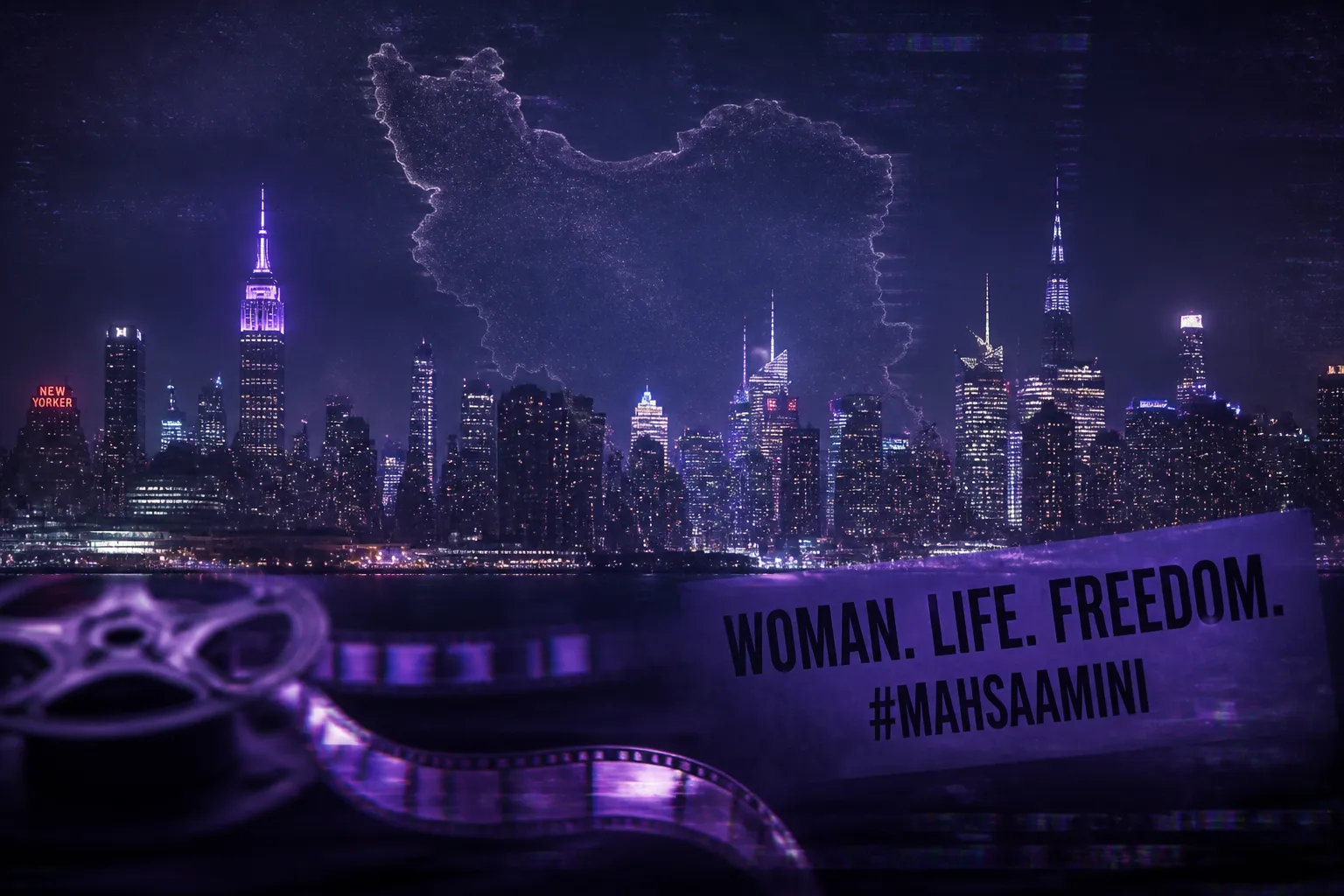
"Dreams of Violets," the first fully AI‑generated feature to land on the program of a major festival, premiered at the Tribeca Film Festival on 10 June 2026. The film was produced on a reported budget of just $2,000 and was written, directed, and produced by Ash Koosha, with Pooya Koosha serving as co‑producer.
The Kooshas built the entire movie with a suite of generative tools, most notably Claude and other video‑generation platforms. Every character, set, and visual element emerged from textual prompts fed into the software. The filmmakers said the images were informed by journalistic reports, photographs, and eyewitness accounts of the 2025‑2026 Iranian protests. No physical sets, actors, or cameras were used; the production was carried out entirely within the confines of Ash Koosha’s London flat.
The narrative is a series of interwoven vignettes set against the backdrop of anti‑government protests that began in late 2025. A surgeon confronts authorities while treating a protester; a young musician seeks hope through art; an elderly woman recalls a freer life; and a wheelchair‑bound boy watches violence unfold outside his window. Scenes appear and fade, intersecting in a montage‑like fashion that eschews conventional linear storytelling.
Critics have noted that the film’s AI origins are visible in its visual and performative qualities. Characters often move with an unnatural stiffness, and facial expressions appear generic. Rapid cuts and a lack of continuity are common, and the dialogue—generated from Koosha’s own vocal recordings and processed through AI—sometimes feels disconnected from the imagery. These technical limitations create an emotional distance that some viewers find difficult to overcome.
The film’s subject matter is rooted in the violent crackdown on Iranian protesters that began on 28 December 2025. According to the Wikipedia entry on the 2025‑2026 Iranian protests, the unrest spread to more than 200 cities and was met with live fire, tear gas, and arrests. The Iranian government’s suppression of the protests has been described as the largest massacre in modern Iranian history, with death‑toll estimates ranging from 6,500 to over 30,000. In this context, the Kooshas argue that the film offers a way to depict the events without exposing real actors to danger or censorship.
Tribeca’s acceptance of "Dreams of Violets" has sparked discussion about the role of AI in filmmaking. The festival’s partnership with Runway, a company that provides AI‑based video tools, has highlighted the potential for low‑cost, high‑impact productions. Industry observers note that "Dreams of Violets" demonstrates how AI can enable creators to tell stories that might otherwise be impossible to produce under restrictive regimes.
At present, "Dreams of Violets" remains a polarizing work. While it has drawn attention for its technical novelty and political relevance, reviewers point to its uneven execution and emotional shortcomings. The film’s future impact on the industry, its influence on censorship‑bypassing strategies, and the broader acceptance of AI‑generated cinema remain to be seen.
"Dreams of Violets," the first fully AI‑generated feature to land on the program of a major festival, premiered at the Tribeca Film Festival on 10 June 2026. The film was produced on a reported budget of just $2,000 and was written, directed, and produced by Ash Koosha, with Pooya Koosha serving as co‑producer.
The Kooshas built the entire movie with a suite of generative tools, most notably Claude and other video‑generation platforms. Every character, set, and visual element emerged from textual prompts fed into the software. The filmmakers said the images were informed by journalistic reports, photographs, and eyewitness accounts of the 2025‑2026 Iranian protests. No physical sets, actors, or cameras were used; the production was carried out entirely within the confines of Ash Koosha’s London flat.
The narrative is a series of interwoven vignettes set against the backdrop of anti‑government protests that began in late 2025. A surgeon confronts authorities while treating a protester; a young musician seeks hope through art; an elderly woman recalls a freer life; and a wheelchair‑bound boy watches violence unfold outside his window. Scenes appear and fade, intersecting in a montage‑like fashion that eschews conventional linear storytelling.
Critics have noted that the film’s AI origins are visible in its visual and performative qualities. Characters often move with an unnatural stiffness, and facial expressions appear generic. Rapid cuts and a lack of continuity are common, and the dialogue—generated from Koosha’s own vocal recordings and processed through AI—sometimes feels disconnected from the imagery. These technical limitations create an emotional distance that some viewers find difficult to overcome.
The film’s subject matter is rooted in the violent crackdown on Iranian protesters that began on 28 December 2025. According to the Wikipedia entry on the 2025‑2026 Iranian protests, the unrest spread to more than 200 cities and was met with live fire, tear gas, and arrests. The Iranian government’s suppression of the protests has been described as the largest massacre in modern Iranian history, with death‑toll estimates ranging from 6,500 to over 30,000. In this context, the Kooshas argue that the film offers a way to depict the events without exposing real actors to danger or censorship.
Tribeca’s acceptance of "Dreams of Violets" has sparked discussion about the role of AI in filmmaking. The festival’s partnership with Runway, a company that provides AI‑based video tools, has highlighted the potential for low‑cost, high‑impact productions. Industry observers note that "Dreams of Violets" demonstrates how AI can enable creators to tell stories that might otherwise be impossible to produce under restrictive regimes.
At present, "Dreams of Violets" remains a polarizing work. While it has drawn attention for its technical novelty and political relevance, reviewers point to its uneven execution and emotional shortcomings. The film’s future impact on the industry, its influence on censorship‑bypassing strategies, and the broader acceptance of AI‑generated cinema remain to be seen.